
Planning a bocce ball court in San Jose requires clear, careful attention to space, layout, and local rules. Both residential and commercial courts need appropriate dimensions to provide reliable play and long-term usability. This page outlines the essential court sizes and dimensions, relevant local regulations, installation factors and considerations, sustainable material choices, and maintenance practices so you can plan a safe, durable, and enjoyable court for your backyard or commercial site.
Successful planning starts with measuring available space, considering adjacent landscaping and structures, and weighing how frequently the court will be used. A court intended for casual family play has different practical priorities than one designed for frequent public use or sanctioned competition. This guide focuses on space needs and practical considerations specific to San Jose, so you can design a court that fits your property and goals.
Optimal Court Dimensions
Court size depends on intended use. Residential bocce courts are typically at least 60 feet long by 8 feet wide, making them suitable for casual play. Competitive or commercial courts are larger—typically 91.86 feet long by 13.12 feet wide—to support formal play and more participants.
Beyond basic length and width, consider the functional parts of a court: the playable surface, edging and containment, and any run-off or buffer area at each end. The playable surface must be level, consistent, and free of obstacles; the edging defines the court and helps retain the playing surface; and end buffers reduce the chance that balls will damage nearby landscaping or structures.
Orientation also matters: courts that run roughly north–south minimize direct sun in players’ eyes during afternoon play, while east–west layouts can be preferable in some narrow lots. On sloped properties, orientation can influence the amount of grading or retaining work required.
Local Regulations
Before you begin, verify San Jose construction and zoning requirements. Review permitting rules and, where helpful, consult professionals familiar with local codes to avoid delays and ensure compliance throughout the installation.
Local rules that commonly affect bocce installations include setback requirements from property lines, restrictions in homeowner association covenants, limits on permanent structures or lighting, and stormwater management regulations. If your project involves grading or retaining walls, you may need additional permits. Early contact with the city planning or permitting office will identify applicable conditions, such as allowable edging heights or whether a drainage plan is required.
Considerations for Installation
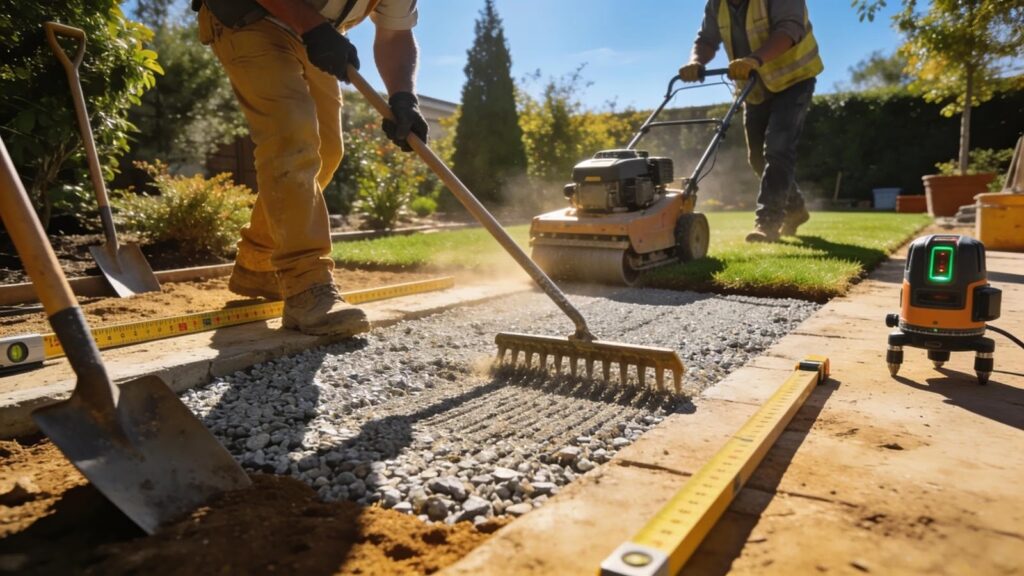
Select a level, well-drained location and confirm proper slope to prevent water pooling. Integrating sustainable landscaping products can improve durability and reduce long-term upkeep. Heavenly Greens specializes in eco-friendly materials that support a resilient, attractive court.
Start with a site survey to confirm property lines, underground utilities, and the existing grade. Locate utilities before any excavation if the site requires retaining walls, terraces, or significant fill; factor that work into both your schedule and your footprint, since retaining walls and terraces consume space and may affect setbacks.
Edge types vary from timber or PVC to poured concrete curbs; choose materials that hold the playing surface in place and resist lateral pressure from players and equipment. Perimeter surfacing—such as decomposed granite pathways or pavers—provides clean access and helps separate play areas from planting beds.
Maintenance
Ongoing care preserves playability and appearance. Regular brushing of turf fibers, prompt repair of small issues, and a documented maintenance schedule will keep the court safe and enjoyable for years.
Create a maintenance calendar that outlines seasonal inspections and routine tasks. Tasks include surface grooming to maintain a uniform playing plane, topping or replenishing fines in mineral-based surfaces, checking and repairing edging, and inspecting drainage paths to prevent standing water. Track repairs and material replacements to anticipate future maintenance needs and budget accordingly.
What Are the Standard Bocce Ball Court Dimensions?
Standard dimensions vary by use and are important for consistent play in both recreational and competitive settings.
When planning, also consider the clear perimeter around the court: benches, walkways, and equipment storage should not encroach on the playing area. Visual cues such as low-profile edging, clearly defined gateways, and consistent material transitions help users understand where play occurs and where foot traffic should flow.
What Are the Official Length and Width Measurements?
Competitive bocce courts measure 91.86 feet long by 13.12 feet wide to accommodate formal play. Recreational courts are typically at least 60 feet long by 8 feet wide, which suits backyard and casual use.
For many homeowners, a scaled recreational court provides an appropriate compromise between a true competitive footprint and the practical limits of a yard. If you expect to host groups or run informal competitions, erring toward the larger residential dimensions will improve playability and comfort.
How Do Court Size Variations Affect Backyard Installation?
Court size shapes both gameplay and backyard layout. Larger courts support hosting and tournaments; smaller courts fit intimate spaces. Consider how the court interacts with seating, landscaping, and circulation to create a balanced outdoor area.
In tight yards, use compact seating arrangements and multipurpose furniture to preserve circulation space. Where possible, integrate bocce equipment storage into nearby structures or benches to keep the court free of clutter. Ensure pathways to and from the court are stable and direct to reduce wear on adjacent landscaping.
How Much Total Space Is Required to Install a Bocce Ball Court in San Jose?
Plan for more than the court surface: leave room around the perimeter for player movement, seating, and any landscaping. Proper site preparation—especially grading and drainage—also affects the space needed and overall playability.
As a practical rule, allow at least a few feet of clear space on both sides of the court for player circulation and benches. At the ends, allow additional buffer to protect structures and help capture stray balls. If lighting, storage boxes, or fixed seating are part of the plan, allocate space for those elements in the early layout so they do not reduce your playing surface.
What Additional Space Is Needed Beyond the Court Surface?
Allow space for spectator seating and unobstructed player movement. Landscaping elements can improve aesthetics but should not impede play. Accounting for these surrounding areas ensures a well-functioning bocce installation.
Seating areas can be simple benches, low walls, or movable chairs; plan routes that let spectators approach without crossing the playing surface. Consider accessibility needs—flat, firm paths and level seating make the court safer and more welcoming to all users. Storage for balls, measuring tapes, and maintenance tools should be convenient but kept off the court to avoid trips and obstructions.
How Do San Jose Property Sizes Influence Bocce Court Space Planning?
Property size and local zoning in San Jose will influence the placement and dimensions of the court. Homeowners often adapt designs to fit residential lots while meeting municipal and HOA requirements; early review of constraints helps avoid costly redesigns.
On smaller lots, designers often shift the court closer to property corners or align it along existing hardscape to minimize impact on lawn and plantings. Consider modular or temporary solutions—such as removable edging and turf sections—if you need to preserve flexibility for other uses of your yard. For larger properties, a dedicated bocce area can include multiple courts, seating zones and landscape buffers to create a small recreation precinct.
What Are the Best Sustainable Materials for Bocce Ball Courts in San Jose?
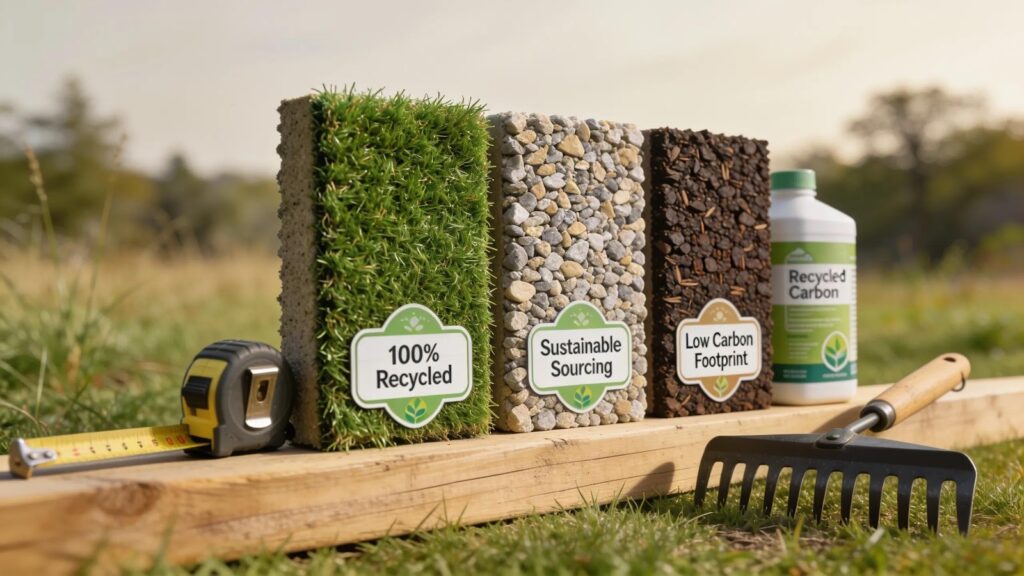
Choosing durable, sustainable materials reduces environmental impact and supports a longer service life for the court. Prioritize materials that balance performance, maintenance needs, and resource conservation.
Sustainable choices extend beyond the surface: consider recycled or locally sourced base materials, permeable paving for nearby walkways, and plantings that require minimal irrigation once established. Using materials that age gracefully and are easy to repair reduces the need for replacements and long-term waste.
Which Surface Types Provide Durability and Environmental Benefits?
Artificial turf is a common surface choice because it requires less maintenance and conserves water compared with natural grass, while providing consistent play characteristics.
Other durable surface options include compacted mineral fines or crushed stone systems that produce a firm, predictable roll for bocce balls. These mineral surfaces typically use locally available aggregates and require regular mechanical grooming to maintain a playing plane. Natural grass provides a softer aesthetic but requires more ongoing water and maintenance; if choosing grass, select tolerant species and design irrigation carefully to minimize waste.
How Do Sustainable Landscaping Products Enhance Bocce Court Quality?
Eco-friendly landscaping materials can lower maintenance costs, improve drainage, and create a healthier outdoor environment for families. Selecting these products supports a functional and attractive court that performs well over time.
Permeable edging and infiltration features reduce runoff and can be integrated into grading plans to manage stormwater on-site. Native and drought-tolerant plantings around the court reduce irrigation demand and provide habitat benefits. When combined with properly specified base materials and geotextiles, these choices contribute to a long-lived, low-impact installation.
What Is the Typical Installation Process for Backyard Bocce Ball Courts in San Jose?
A successful installation follows a defined process in which careful site preparation establishes the foundation for good play and longevity.
Treat installation as a sequence of inspections and corrective actions. Each layer—from excavation and subgrade preparation to the finishing surface—should be checked for grade, compaction, and drainage before the next step begins. Small corrective actions early in the process prevent bigger problems later.
What Are the Key Installation Steps From Preparation to Finishing?
Follow a clear sequence to ensure quality and durability during installation.
- Site Preparation: Clear the installation site of any debris and ensure the surface is level.
- Base Layer: Install a solid, compacted base that can support the turf.
- Turf Placement: Finally, lay the turf material, ensuring it is fitted correctly and securely.
Each step builds a stable, well-performing court and helps protect your investment in the long term.
Site preparation typically includes marking the layout, protecting adjacent landscaping, and excavating to the depth required for the chosen base system. The base layer may consist of several lifts of aggregate compacted to a set density and may include a geotextile where needed to separate native soils from base materials. If a mineral playing surface is specified, the finer topping material requires careful grading and compaction to reach the final playing tolerance.
When turf is installed, seams and edging receive special attention to prevent movement. For mineral surfaces, final grooming and periodic top-ups keep the playing plane consistent. Test-rolls and a short period of settling or light use before final acceptance help reveal any low spots or drainage issues that warrant adjustment.
How Does Heavenly Greens Support San Jose Customers During Installation?
Heavenly Greens provides consultations to tailor court design to your property and needs, and offers expert installation teams that follow high standards to ensure the court performs as intended.
Consultations typically include an on-site evaluation, discussion of surface options, and a review of local permitting needs. A professional team can produce a layout drawing, recommend edge and drainage details, and coordinate with landscapers or contractors as needed. After installation, maintenance guidance and service plans help owners preserve performance and appearance over time.
How Do San Jose Climate and Local Regulations Affect Bocce Court Space and Installation?
San Jose’s climate and local regulations influence material selection, drainage design, and court placement. Addressing these factors during planning reduces the risk of performance issues and regulatory delays.
The local climate supports many drought-tolerant plantings and favors low-water surfaces. However, occasional heavy rain events require robust drainage strategies to keep the court playable and prevent erosion. Plan for both dry-season efficiency and wet-season resilience when selecting base materials and specifying drainage paths.
What San Jose Zoning or Property Rules Must Be Considered?
Zoning and property rules may limit the size or location of a court, especially in residential areas. Check local municipal codes and any HOA guidelines early in the planning process to ensure compliance.
Common considerations include whether the court will be treated as a landscape improvement, whether permanent lighting requires a separate permit, and whether accessory structures associated with a court—such as storage chests or shade structures—are permitted in the chosen location. If your property has recorded easements or informal access ways, those constraints can affect placement and usable dimensions.
How Does San Jose’s Climate Influence Material Choice and Court Maintenance?
Drought conditions in the region make water-efficient materials a practical choice. Regular inspections of turf and drainage systems will help maintain playability through seasonal changes.
UV exposure and temperature swings can affect material choices: select surface components and adhesives rated for exposure, and consider UV-stable finishes on wood or composite edging. For mineral surfaces, monitor fine movement after wind or heavy rain, and schedule grooming as needed to restore the playing plane.
What Are the Cost and Space Considerations for Installing Bocce Courts in San Jose?
Budget planning should account for court size, material quality, and site work, all of which influence the total cost and space requirements for installation.
Costs scale with complexity: a simple conversion on flat ground with minimal site work will be less costly than a project requiring significant grading, retaining walls, drainage rerouting, or complex lighting. Choosing durable materials can raise initial costs but often reduces lifetime maintenance and replacement needs.
How Does Court Size Impact Installation and Material Costs?
Larger courts require more materials and increase installation expenses. Investing in higher-quality materials raises initial costs but can lower maintenance expenses over time.
When deciding on size, balance the benefits of additional playing area with the extra maintenance, material, and long-term care obligations. A slightly larger court may improve usability and hosting capacity, but confirm that the additional footprint does not trigger different permit categories or HOA limitations.
What Financing or Support Options Does Heavenly Greens Provide?
Heavenly Greens offers flexible financing options and guidance throughout the project to help customers manage costs while achieving a high-quality installation.
Discuss financing and phased installation approaches if the full scope exceeds your immediate budget. Phasing work can allow essential items—grading, base and drainage—to be completed first, with final surfacing or amenities added later when convenient.
How Should Bocce Ball Courts Be Maintained to Preserve Space and Quality in San Jose?
Consistent maintenance preserves the court’s condition and maximizes its service life, keeping the space functional and enjoyable.
Maintenance also protects adjacent landscaping and built elements: clogged drains, erosion, or uncontrolled vegetation can quickly affect the court’s edges and playing surface. A few proactive practices prevent small issues from becoming costly repairs.
What Are Essential Maintenance Practices for Sustainable Bocce Courts?
To maintain a sustainable bocce court, adopt these routine practices:
- Keep turf clean: Regularly remove debris to preserve playability.
- Inspect regularly: Check the court for pests or damage to address any small issues promptly.
- Water management: Implement proper drainage solutions to prevent water accumulation.
In addition to the list above, maintain edging and storage systems, check for settlement along seams or transitions, and refresh mineral surface fines or infill as needed. Tracking these tasks in a simple log will help spot trends and plan for eventual refresh or replacement.
How Do Maintenance Needs Affect Long-Term Space Usage?
Proper maintenance can substantially extend the useful life of artificial turf, while quality materials reduce ongoing costs. Regular care keeps the court reliable and inviting for years to come.
Maintenance demands factor into decisions about ancillary space: storage for tools and materials, easy access for service vehicles, and room to stage repairs all improve the ability to keep the court in service. If access for equipment is limited, plan maintenance-friendly materials and small-scale repair approaches that suit the site constraints.
Frequently Asked Questions
What Is the Best Location for Installing a Bocce Ball Court in San Jose?
Choose a flat, well-drained spot away from trees and structures that could drop debris or obstruct play. Ensure adequate sunlight for turf health and position seating and amenities nearby for player and spectator comfort.
How Do I Ensure My Bocce Ball Court Is Compliant With Local Zoning Laws?
Start by consulting San Jose’s planning office or reviewing municipal zoning documents. Confirm any HOA restrictions that apply, and consider engaging a local contractor experienced with permits to streamline the approval process.
What Should I Consider When Designing a Bocce Ball Court for Multiple Players?
For multiple players, increase court dimensions and allow ample space around the perimeter for movement and seating. Use durable materials that withstand frequent use to maintain consistent play quality.
Are There Specific Sustainability Practices I Should Implement?
Use permeable surfacing, recycled or eco-friendly materials, and native plants to reduce water use and support drainage. Regular, environmentally responsible maintenance—such as organic pest control—further supports sustainability goals.
What Are the Maintenance Requirements for Natural Grass Bocce Courts?
Natural grass courts need regular mowing, watering, aeration, and pest control to keep the surface smooth. A consistent fertilization and inspection schedule is necessary to prevent issues that affect play.
What If There Are Trees Nearby My Bocce Ball Court?
Trees can drop leaves and branches that damage the surface or impede play. Select a location with adequate setback from trees, prune nearby branches regularly, or use protective netting where necessary.
What Are Common Mistakes to Avoid When Setting Up a Bocce Ball Court?
Avoid poor drainage, insufficient surrounding space for players and seating, and neglect of local regulations. Early planning and site assessment help prevent these common issues.
Conclusion
A well-planned bocce ball court in San Jose enhances outdoor recreation and social gatherings. By understanding space needs, complying with local regulations, choosing sustainable materials, and regularly maintaining the court, you ensure a durable, high-quality playing area that delivers lasting enjoyment.
Begin with a measured site plan, consult local codes early, and prioritize proper base and drainage. With careful design and routine care, a bocce court becomes a long-term feature that complements your landscape and invites recreation for family and friends.


