
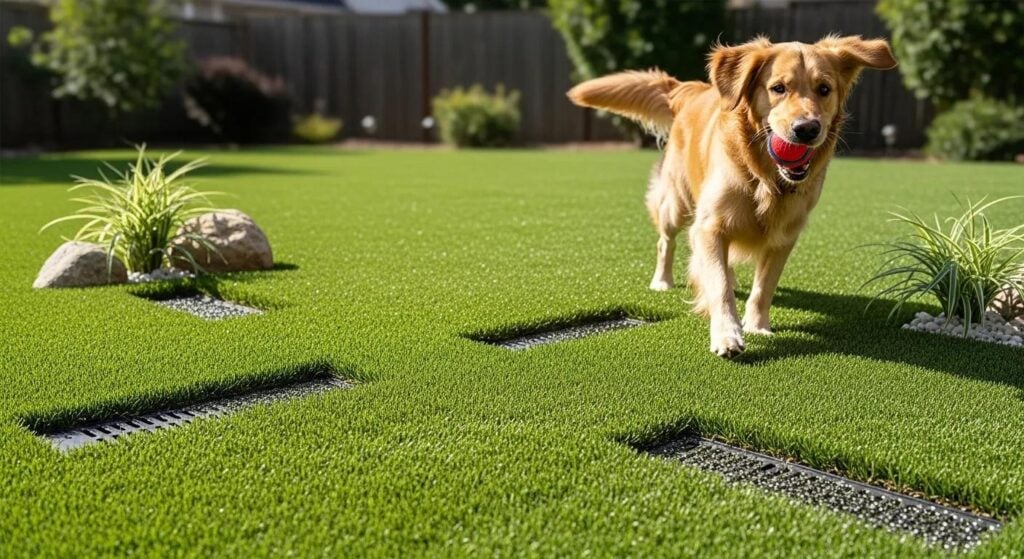
Managing pet waste on artificial lawns is a primary concern for homeowners who want a clean, usable outdoor space. Effective drainage prevents odors and assists in proper waste management. This guide explains drainage solutions, maintenance steps, and best practices to help homeowners make informed choices that extend the life of their artificial turf and keep it clean.
Pet Waste Drainage in Artificial Lawns: Comprehensive Guide
Pet waste drainage preserves both hygiene and appearance. These systems channel liquid waste away from the surface to reduce odor and visible mess. Homeowners should evaluate available solutions and maintain systems properly to protect their investment and keep the lawn performing as intended.
In addition to selecting the right components, homeowners should factor in site-specific conditions such as slope, soil type under the base, climate, and frequency of pet use. Planning around these variables reduces the risk of later retrofit work and makes routine maintenance more effective.
How Drainage Works:
Drainage for artificial grass allows liquids to pass through the turf into a permeable layer beneath. That layer is composed of materials that allow water to move while helping separate solids. The system’s purpose is to avoid accumulation that can cause odors or damage. Correct installation and routine maintenance are essential to reliable performance.
Typical systems use a combination of a permeable backing, a graded aggregate sub-base, and optional channels or pipes to move liquid away. The turf surface is slightly crowned or graded to encourage flow toward drains or perimeter collection points. Inspecting each component during installation and seasonal maintenance helps ensure the system continues to function as intended.
Essential Solutions for Effective Drainage:
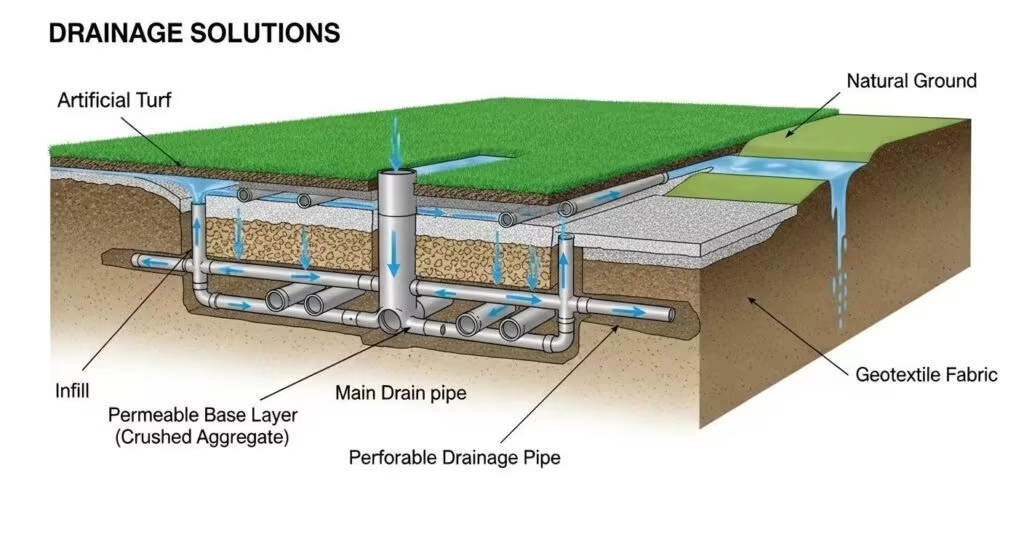
Homeowners can consider several solutions to improve drainage in artificial lawns.
- MaxxFlow Drainage Technology: This advanced system enhances water flow and minimizes the risk of clogs.
- Proper Installation Techniques: Ensuring that the drainage layer is installed correctly is crucial for optimal performance.
- Importance of Grading: Proper grading directs water away from the lawn, preventing pooling and ensuring efficient drainage.
Beyond these primary options, homeowners may also consider modular channel drains at high-use points, perimeter French drains where runoff concentrates, and spot-drain solutions beneath pet gathering areas. Selection should be guided by where pets naturally concentrate and where liquids tend to collect.
Heavenly Greens specializes in sustainable artificial grass and landscaping products for residential and commercial applications, including drainage solutions that enhance lawn performance.
Maintenance Tips for Homeowners:
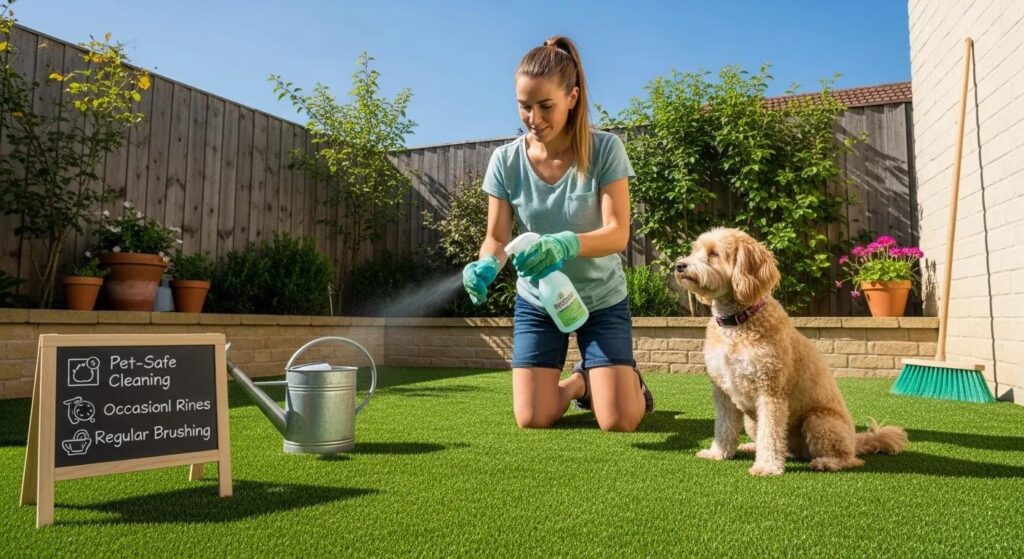
Keep artificial turf clean and functional with regular care. Establish a schedule for rinsing, inspection, and targeted cleaning to prevent buildup and detect issues early.
- Regular Cleaning Practices: Routine cleaning helps prevent waste buildup and odors.
- Inspection for Wear and Tear: Regularly check for any signs of damage or wear in the drainage system.
- Use of Pet-Safe Cleaners: Opt for eco-friendly, pet-safe cleaning products that effectively keep things clean.
Consistent cleaning and inspections will preserve appearance and performance, reducing the need for major repairs.
A practical maintenance routine often includes a weekly visual check and light rinsing, a monthly deeper rinse and brush to redistribute infill, and a seasonal inspection of grading, seams, and drains. Adjust the cadence based on the number of pets and usage.
Example weekly checklist:
- Remove solid waste immediately and dispose of it properly.
- Rinse high-use zones with water to dilute urine and disperse residue.
- Brush any flattened fibers lightly to restore pile height.
Example monthly checklist:
- Inspect seams, edges, and drainage outlets for blockages or detachment.
- Use a pet-safe enzymatic cleaner on spots that retain odor.
- Check infill levels and add or redistribute infill if needed.
Best Practices for Cleanliness and Longevity:
Follow proven practices to extend the service life and cleanliness of artificial grass.
- Prompt Waste Removal: Regularly pick up pet waste to prevent odors and maintain hygiene.
- Use of Non-Toxic Cleaners: Choose cleaning products that are safe for pets and the environment.
- Monitoring Infill Levels: Ensure that the infill material is at the appropriate level to support drainage and grass performance.
Adopting these measures helps homeowners maintain a hygienic, attractive lawn for years.
In addition to these practices, avoid storing pet bedding or food directly on turf, and keep yard drains clear of leaves and debris. Educate family members and pet sitters on prompt waste removal and simple rinsing practices to keep the system working between professional visits.
How Does Artificial Grass Drainage Work to Manage Pet Waste?
Artificial grass drainage channels liquids through the turf into the underlying layers, encouraging flow and separating solids. System effectiveness depends on correct installation and scheduled maintenance to avoid blockages and odors. Homeowners should monitor performance and address issues promptly.
In practice, urine and other liquids pass through the pile and back into the infill and the sub-base. The sub-base then routes water to drains, soakaways, or existing stormwater systems. For solids, the recommended approach is prompt removal, followed by rinsing to reduce odor and residual material left in the infill or backing.
What Are the Key Components of Synthetic Turf Drainage Systems?
Synthetic turf drainage relies on several components that work in concert to handle pet waste.
- Drainage Layer: This layer allows liquids to flow through while filtering out solid waste.
- Flow-Through Backing: This backing material enhances drainage capabilities and prevents water accumulation.
- Antimicrobial Infill Options: Some systems incorporate antimicrobial materials to help control odors and maintain cleanliness.
Familiarity with these components enables homeowners to select systems that match site conditions and maintenance preferences.
Common sub-base materials include compacted open-graded aggregate, crushed stone, or engineered base mixes designed to remain permeable. The flow-through backing on the turf is manufactured to permit rapid throughflow while resisting clogging when regularly maintained.
When evaluating antimicrobial infill options, consider how the infill interacts with the drainage layer and whether it requires periodic top-ups. Some antimicrobial infills are designed to be inert and not leach, while others incorporate treated particles to inhibit microbial growth; confirm compatibility with your turf type and manufacturer guidance.
How Do Drainage Layers Prevent Odor and Liquid Buildup?
Drainage layers move liquids away from the surface and into absorbent or channeling materials below. This prevents prolonged moisture that leads to odors and deterioration. Regular cleaning and inspections ensure the layers remain unblocked and effective.
To maintain layer performance, periodically remove leaves and organic debris that can trap moisture on the surface, rinse the turf to keep fine particles from migrating into the sub-base, and inspect any incorporated channels or piping for sediment buildup. Clearing inlet grates and flushing lines where accessible maintains flow capacity.
Which Odor Control Methods Are Effective for Synthetic Turf with Pets?
Homeowners can apply several methods to control odors on synthetic turf.
- Regular Rinsing: Periodically rinsing the turf helps remove waste and prevent odors.
- Use of Enzyme Cleaners: These cleaners break down organic waste and neutralize odors.
- Prompt Waste Removal: Regularly picking up pet waste is crucial for maintaining a fresh-smelling lawn.
Applying these methods consistently will keep artificial lawns more pleasant and inviting.
For spot treatment, apply an enzymatic cleaner according to product directions and rinse well. For routine care, a light spray of water after waste removal reduces the concentration of urine salts and lessens odor over time. Avoid harsh chemicals that can degrade fibers or harm pets.
What Technologies Neutralize Pet Urine Smell on Artificial Lawns?
Several technologies help reduce urine odors on artificial turf.
- Enzymatic Cleaners: These products break down the compounds in pet urine, effectively neutralizing odors.
- Antimicrobial Infill: This type of infill helps prevent the growth of odor-causing bacteria.
- Advanced Drainage Systems: These systems enhance water flow and minimize odor buildup.
Combining appropriate products with proper drainage improves overall odor management.
When choosing technologies, consider compatibility with existing turf and follow manufacturer instructions to avoid voiding any warranties. For example, some antimicrobial additives are mixed into the infill during installation and may not be easily retrofitted without replenishing the infill layers.
How Do Antimicrobial Treatments Enhance Odor Management?
Antimicrobial treatments inhibit bacteria and fungi that cause unpleasant smells. They may be applied at installation or during maintenance. When used correctly, these treatments contribute to a cleaner environment for pets and household members.
There are surface-applied sprays and infill-based treatments. Surface treatments can be used periodically to reduce microbial activity, while infill treatments are designed to provide ongoing suppression. Be mindful of product labels and choose pet-safe formulations. When in doubt, consult the turf manufacturer for recommended antimicrobial options that preserve product warranties.
What are the best practices for Cleaning and Maintaining Artificial Dog Turf?
To maintain artificial dog turf, follow a routine that addresses both solids and liquids.
- Regular Rinsing: Rinse the turf periodically to remove waste and prevent odors.
- Use of Pet-Safe Cleaners: Opt for cleaning products that are safe for pets and effective in maintaining cleanliness.
- Solid Waste Removal: Promptly pick up solid waste to prevent buildup and odors.
These practices preserve appearance and reduce odor, improving the user experience for pets and owners.
Additional tips include: use a leaf blower or light rake to remove debris, avoid using oil-based products on the surface, and gently brush the fibers with a stiff broom to restore the pile after heavy use. For persistent odors, schedule a deeper cleaning using an enzymatic product, and then allow the surface to dry thoroughly.
How Often Should You Clean Synthetic Turf to Control Pet Waste?
At a minimum weekly cleaning is recommended to control pet waste effectively. Increase frequency when multiple pets use the area or when usage is heavy. A consistent routine reduces odors and helps maintain the lawn’s condition.
Weekly tasks can be quick—pick up solids and rinse high-traffic areas. Monthly tasks should include a more thorough rinse and inspection of drains. Seasonal tasks (spring and fall) should focus on removing accumulated organic matter, checking grading, and evaluating infill. Adjust frequency for your household and local climate.
Which Eco-Friendly Cleaning Products Are Recommended?
Choose eco-friendly products that are safe for pets and the environment when cleaning artificial lawns. Options include:
- Enzymatic Cleaners: These products effectively break down organic waste and neutralize odors.
- Vinegar Solution: A mixture of vinegar and water can help eliminate odors and clean the turf.
- Specialized Turf Cleaners: Look for products specifically designed for artificial grass maintenance.
Using recommended eco-friendly cleaners supports hygiene while reducing environmental impact.
Simple vinegar solution guidance: mix a mild solution of household vinegar with water (commonly a ratio of 1 part vinegar to several parts water) and test a small area first to ensure no adverse interaction with the infill or backing. Rinse after application. For enzymatic products, follow the manufacturer’s application and safety guidance to ensure proper odor control and pet safety.
How to Choose the Right Artificial Grass Drainage Solutions for Your Home?
Select drainage solutions by assessing site conditions and desired outcomes.
- Key Features to Consider: Look for systems with effective drainage capabilities and maintenance.
- Importance of Drainage Capabilities: Ensure that the chosen system can handle the volume of liquid waste produced by pets.
- Maintenance Requirements: Select solutions that require minimal upkeep to ensure long-term performance.
Evaluate drainage capacity, durability, and maintenance needs to identify the best fit for your lawn.
When evaluating options, request a site visit or photos of similar installations. A professional can assess slope, existing stormwater connections, and likely areas of concentrated use. For do-it-yourself homeowners, mapping areas where pets spend the most time helps determine whether spot drains or a full drainage base are required.
What Features Should You Look for in Pet-Friendly Synthetic Turf?
When choosing pet-friendly turf, prioritize durability, drainage, and odor-control features.
- Durability: The turf should withstand heavy foot traffic and pet activity.
- Drainage Capabilities: Look for products with effective drainage systems to manage pet waste.
- Odor Control Features: Choose turf that incorporates antimicrobial materials to help control odors.
These characteristics help ensure the turf remains functional, hygienic, and visually appealing.
Also consider fiber height and density—shorter, denser piles can be easier to clean, while some textured fibers provide better traction for pets. Ask suppliers for performance specifications and maintenance guidance specific to pet use.
How Do Drainage Rate and Material Type Affect Performance?
Drainage rate and material selection directly affect turf performance. Higher drainage rates reduce pooling and speed drying. Backing and infill materials influence durability and maintenance frequency. Consider these factors when selecting products to achieve the desired performance and lifespan.
Materials that maintain void space—open-graded aggregates, coarse sand infill, or specialist engineered mixes—support flow while resisting compaction. Conversely, fine materials may compact and reduce permeability over time, requiring periodic rejuvenation or replacement. Match material choice to expected load, local climate, and maintenance capacity.
What are the installation best practices for Pet Waste Drainage Systems in Artificial Lawns?
Correct installation is essential for reliable drainage. Follow manufacturer instructions, verify grading, and select appropriate materials. Professional installation can reduce the risk of errors and improve long-term results.
- Proper Installation Techniques: Follow the manufacturer’s guidelines to ensure proper setup.
- Common Mistakes to Avoid: Be aware of pitfalls such as incorrect grading or inadequate drainage materials.
- Importance of Professional Help: Consider hiring professionals for installation to ensure optimal performance.
Adhering to established installation practices helps ensure the system performs as intended.
Key on-site steps often include compacting the subgrade, installing a suitable drainage layer, verifying slope and surface flow, and securing turf edges to prevent washout. Where heavy use is expected, reinforce edges and seams and consider adding anchoring or occasional inspections after major weather events.
How Is Proper Drainage Layer Installation Ensured?
Ensure the correct installation of the drainage layer by following layered material best practices, maintaining appropriate grading, and using high-quality components. Professional installation reduces the likelihood of common errors and supports consistent performance.
- Installation Techniques: Follow best practices for layering materials to promote effective drainage.
- Importance of Grading: Proper grading directs water away from the lawn, preventing pooling.
- Professional Installation Benefits: Hiring experts can help avoid common mistakes and ensure optimal performance.
Attention to these steps will produce a functional drainage system and reduce future maintenance needs.
During installation, test sections by pouring water and observing flow to confirm that grading and layer composition perform as designed. Record and photograph the installed layers for future reference; this documentation is useful for troubleshooting and for any future service work.
What Are Common Mistakes to Avoid During Installation?
Common installation errors include incorrect grading, selecting inadequate drainage materials, and failing to plan for maintenance. Avoiding these mistakes preserves system effectiveness and prevents costly repairs.
- Incorrect Grading: Failing to grade the area properly can cause water pooling and drainage problems.
- Poor Drainage Solutions: Choosing subpar materials can lead to clogs and odors.
- Neglecting Maintenance Planning: Failing to consider future maintenance needs can lead to problems down the line.
Address these issues during planning and installation to ensure reliable long-term performance.
Other avoidable errors include installing turf over compacted clay without a permeable layer, failing to anchor edges that can lift and allow debris ingress, and using infill that compacts too readily. Planning for access points—such as removable grates or inspection chambers—makes later maintenance simpler and less disruptive.
Frequently Asked Questions
What are the signs that my artificial lawn drainage system needs maintenance?
Signs that maintenance is required include persistent odors, visible water pooling, discolored or flattened turf, and slow liquid absorption. Inspect the drainage layer for blockages and test drainage performance to confirm issues early.
Can I install a drainage system for my artificial lawn myself?
Some experienced homeowners may complete a DIY installation, but professional installation is recommended for consistent results. Errors in grading or material selection can undermine system performance and increase long-term costs.
How do weather conditions affect the maintenance of artificial lawns?
Weather affects turf care: heavy rain can expose drainage weaknesses, high heat can alter surface temperature and material flexibility, and snow or ice requires careful removal. Adjust maintenance routines seasonally to protect the lawn.
What should I do if my pet has an accident on the artificial lawn?
If a pet has an accident, promptly remove solid. Rinse the area with water to dilute urine and then apply a pet-safe enzymatic cleaner to neutralize organic compounds and reduce odor. Regular cleaning prevents recurrence.
Are there specific products designed for cleaning artificial grass?
Yes. Manufacturers and maintenance companies offer cleaners formulated for artificial turf. Look for enzymatic and turf-specific products that remove organic matter without harming fibers or infill. Confirm compatibility with your turf type before use.
How can I improve the drainage of my existing artificial lawn?
To improve existing drainage, clear debris from the drainage layer, inspect and repair grading, and consider adding channels or improving sub-base materials. Routine rinsing and unclogging will also help performance. A professional assessment provides site-specific recommendations.
What are the benefits of using antimicrobial infill in artificial grass?
Antimicrobial infill inhibits bacterial and fungal growth that causes odors and potential health concerns. It supports a cleaner surface, can reduce maintenance frequency, and helps preserve turf appearance and durability over time.
How Can Structured Data and Visual Aids Enhance Understanding of Pet Turf Solutions?
Structured data and visual aids clarify product information and processes. Diagrams and videos demonstrate installation and maintenance steps, while structured data improves discoverability and helps homeowners find relevant guidance.
Visual assets such as cutaway diagrams of the turf layers, short maintenance clips, and before-and-after photographs help homeowners anticipate the scope of work and follow procedures safely. Structured data for products and FAQs improves how information appears in search results, helping users find relevant guidance faster.
What Schema Markup Supports Product and FAQ Information?
Schema markup supports product details and FAQ content by making structured information available to search engines. Implementing this markup improves online visibility and helps prospective customers access key information quickly.
Applying schema to product pages, FAQ sections, and case studies can increase the likelihood that key details—such as drainage features, certifications, and common questions—appear in search snippets and knowledge panels, helping guide homeowners’ decisions.
How Do Diagrams and Videos Illustrate Drainage and Cleaning Processes?
Diagrams and videos break down complex steps into clear visuals that show layer composition, grading, and cleaning techniques. These resources help homeowners follow procedures accurately and reduce installation or maintenance errors.
For maintenance, short clips demonstrating safe rinsing, proper brushing techniques, and the application of enzymatic cleaners are particularly useful. For installers, technical diagrams showing recommended layer depths and channel placements make planning and communication easier.
Why Choose Heavenly Greens for Sustainable Pet Turf and Drainage Solutions?
Heavenly Greens offers sustainable pet turf and drainage solutions engineered for quality and long-term performance. Products incorporate technologies such as MaxxFlow Drainage Technology to improve water flow and reduce maintenance needs. Homeowners can trust Heavenly Greens for durable and aesthetically pleasing artificial grass solutions.
What Certifications and Testimonials Support Product Quality?
Heavenly Greens products are supported by relevant certifications that attest to quality and performance. Customer testimonials further document real-world results and help prospective buyers assess suitability for their needs.
How Do Recent Case Studies Demonstrate Effectiveness?
Recent case studies provide examples of installations where the company’s products improved cleanliness, drainage, and durability. These practical examples illustrate the benefits of investing in proven materials and correct installation.
For questions or to learn more, contact us to discuss your artificial lawn requirements.
Conclusion
Effective pet waste management for artificial lawns relies on proper drainage solutions and consistent maintenance. By selecting appropriate systems and following recommended care practices, homeowners can maintain hygienic, odor-free outdoor spaces. Explore available sustainable products and professional services to optimize your artificial lawn’s performance and longevity.
Routine attention—prompt waste removal, regular rinsing, periodic infill checks, and seasonal inspections—keeps systems working and reduces the need for major repairs. When in doubt, consult the turf manufacturer or a qualified installer to confirm that materials and maintenance steps match your lawn and pet use. With the right approach, artificial lawns can remain clean, safe, and attractive for years of pet-friendly enjoyment.


