
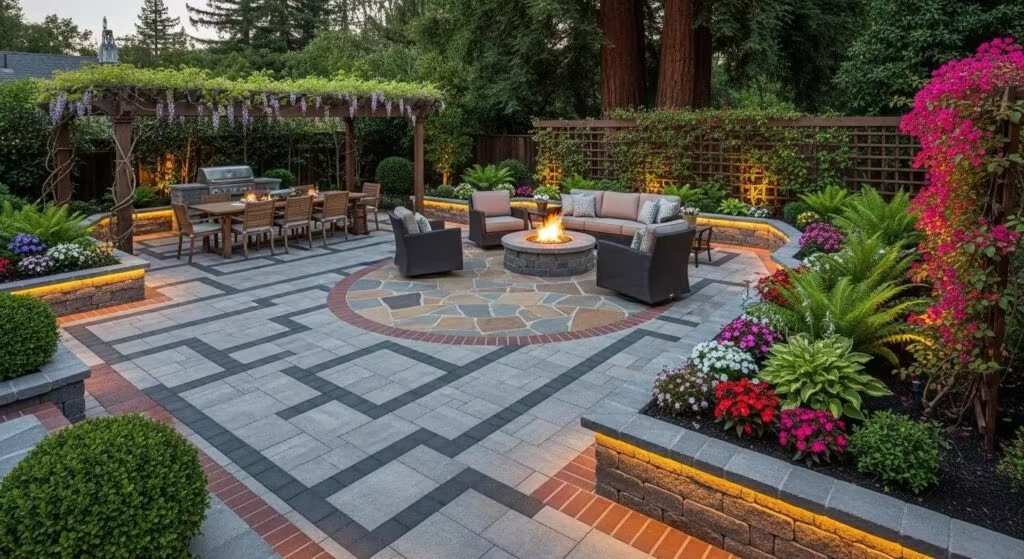
Successful paver projects in San Jose require coordinated attention to permits, drainage, and soil conditions. This article explains the key guidelines for obtaining permits, managing drainage, and preparing soils. Homeowners and contractors who overlook local regulations or site factors risk delays and higher costs. Addressing these elements early streamlines the project and improves long-term performance. The sections below cover permit requirements, drainage strategies, soil considerations, and other factors that affect paver installations.
Permits
Securing permits is a mandatory step for paver installations. Permits confirm compliance with local codes and safety standards and protect property owners and the public. San Jose requirements vary by project size and scope; consult city officials to confirm applicable rules. Allow additional time for permit processing to avoid schedule setbacks.
Familiarity with legal terms—such as appropriations and public contract provisions—provides useful context for navigating San Jose’s permitting process.
San Jose Paver Permits: City Council & Public Contract Code
This Public Contract Code definition is provided for context and is not binding on the City. An appropriation is the legal authorization that the City Council grants the City Manager or other officials to incur obligations and make expenditures for specified purposes.
San Jose, 2010
Typical permit applications for paver work often require a clear site plan, a brief project description, and material specifications. While submittal formats vary, including a simple drawing that shows property lines, existing structures, and proposed paved areas improves clarity and reduces review comments. Where stormwater or impervious area thresholds trigger additional review, include a basic drainage concept or reference the drainage measures you will use.
When preparing documents, be explicit about scope: note if the project changes grade, connects to municipal drainage, or replaces vegetated surfaces. Coordinating early with the permitting office can identify whether additional approvals—such as grading permits, tree protection, or environmental review—are required. If your property is within a homeowners association (HOA) jurisdiction, obtain HOA approval before submitting city permits to avoid conflicts between approvals.
During the permit period, track required inspections and notification windows. Common inspection points include pre-construction verification of grades, base preparation checks, and final surface inspection. Keeping accurate records of subcontractor licenses, product technical sheets, and inspection results reduces rework during plan review and on-site inspections.
Drainage Management
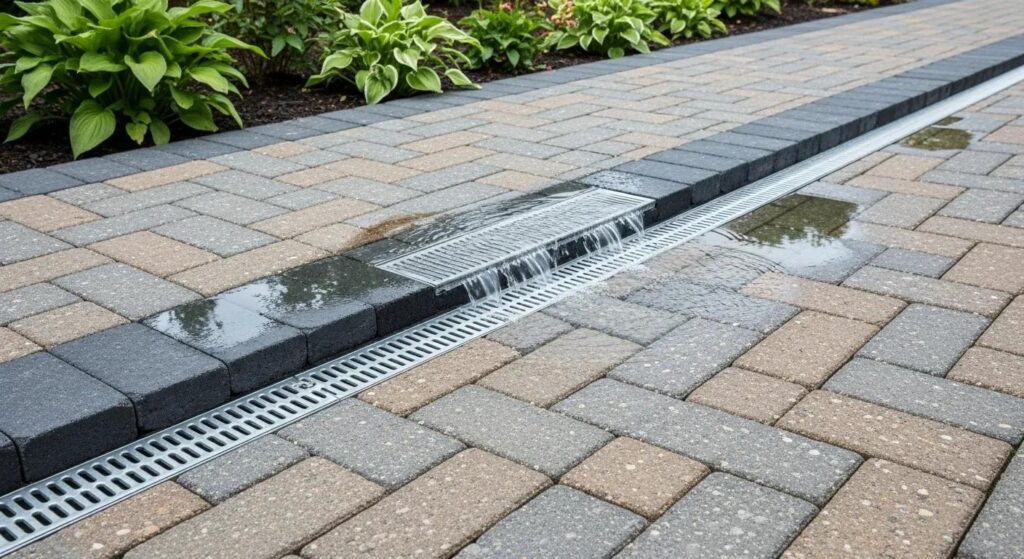
Proper drainage is essential to preserve the function and lifespan of paver installations. Assess site drainage before design and include measures to prevent standing water and erosion. Permeable pavers allow infiltration, reduce runoff, and support groundwater recharge. Maintain drainage components regularly to sustain performance.
Research further documents the role of permeable pavement in stormwater management and how design choices affect hydraulic, structural, and environmental performance.
Permeable Pavement for Stormwater Management & Durability
This paper reviews the status and limitations of permeable pavement research. It examines how design factors—pavement type, porous mix design, aggregate selection and gradation, sub-base depth, and layer configuration—affect hydraulic, structural, and environmental performance.
Permeable pavement as a stormwater best management practice: a review and discussion, U Kuruppu, 2019
Designers should evaluate both surface and subsurface conveyance. Surface grading funnels water toward collection points, while subsurface aggregate layers and underdrains manage infiltrated flow. In constrained sites, combining permeable surfaces with discreet drainage channels or catch basins gives redundancy: surface systems handle immediate runoff while subsurface features control subgrade moisture.
Material selection affects hydraulic performance. For permeable pavers, choose joint infill and bedding that allow water to pass while resisting clogging. Specify durable edge restraints and consider a maintenance access point for flushing or vacuuming sediment from the permeable field. Routine maintenance—removing debris, replenishing joint infill, and inspecting outlet connections—prevents clogging and preserves infiltration rates over time.
What are the best drainage systems for patios and paved areas?
Several drainage strategies improve the performance of patios and paved areas. Common options include:
- Permeable Pavers: These allow water to pass through the surface, reducing runoff and promoting natural drainage.
- Grading and Drainage Channels: Proper grading directs water away from paved areas, while drainage channels collect and redirect excess water.
- Aggregate Base Layers: A well-constructed aggregate base layer provides stability and facilitates drainage, preventing water from pooling on the surface.
In many projects, a hybrid approach produces the best outcomes. For example, use permeable pavers in low-traffic zones and conventional pavers with discrete channels near building entries. Think through how the adjacent landscape and downspouts interact with the paved area to convey water to an appropriate receiving area, infiltration trench, or municipal system, as required.
How do drainage installations improve stormwater management?
Drainage installations reduce runoff and promote groundwater recharge, helping to control erosion and sedimentation that can degrade water quality. Effective stormwater management also supports regulatory compliance and preserves landscape function and appearance.
When designing for stormwater performance, consider the upstream contributing area, the intended water quality treatment (for example, trapping sediment in a forebay), and accessibility for routine maintenance. Properly detailed transitions between pavers, channels, and adjacent soils minimize failure points that otherwise concentrate flows or collect debris.
Soil Conditions
Soil conditions strongly influence paver stability and longevity. Evaluate soil type and preparation needs to establish a stable base. Compacted or clay-rich soils impede drainage, leading to water accumulation and structural damage. Proper testing and preparation mitigate these risks.
Beyond structural concerns, soil sealing presents broader environmental implications in urban areas such as San Jose.
San Jose Paver Projects: Soil Sealing & Ecosystem Impact
We assessed soil sealing across a sample of more than 25,000 parcels in San José, California, to 1) quantify the potential loss of ecosystem services from soil sealing and 2) identify factors influencing sealing.
“Sealed in San José:” paving of front yards diminishes urban forest resource and benefits in low-density residential neighborhoods, D Moanga, 2020
Begin soil evaluation with a visible inspection and a brief drainage check after rain. Simple field observations—noticeable standing water, mottled soil colors, or surface ruts—indicate poor drainage or weak bearing soils. For larger or uncertain projects, a geotechnical report provides a formal assessment; recommended testing may include soil classification, bearing capacity, assessments, and notes on groundwater behavior.
When soils are unsuitable, common remediation options include removing and replacing poor material with a well-draining aggregate, installing geotextile separators to prevent the migration of fines, or building engineered sub-bases that distribute loads and isolate the pavement from weak soils. For heavier loads, incorporate reinforcement strategies such as geogrids or increased base thickness to limit deformation while maintaining proper drainage pathways.
Which soil conditions affect paver installation and longevity?
Several soil characteristics affect paver performance, including:
- Soil Type: Different soil types, such as clay, sand, or loam, have varying drainage capabilities and compaction properties.
- Moisture Content: Excess moisture can weaken the soil structure, leading to instability in the paver installation.
- Compaction Levels: Proper compaction is necessary to create a solid base that supports the weight of the pavers and prevents settling.
When planning, allow time and access for appropriate compaction equipment. Small residential projects may use a plate compactor for base consolidation, while larger areas benefit from heavier compaction equipment and staged compaction checks. Achieving uniform compaction reduces the risk of differential settlement and surface irregularities.
What soil preparation techniques ensure stable paving?
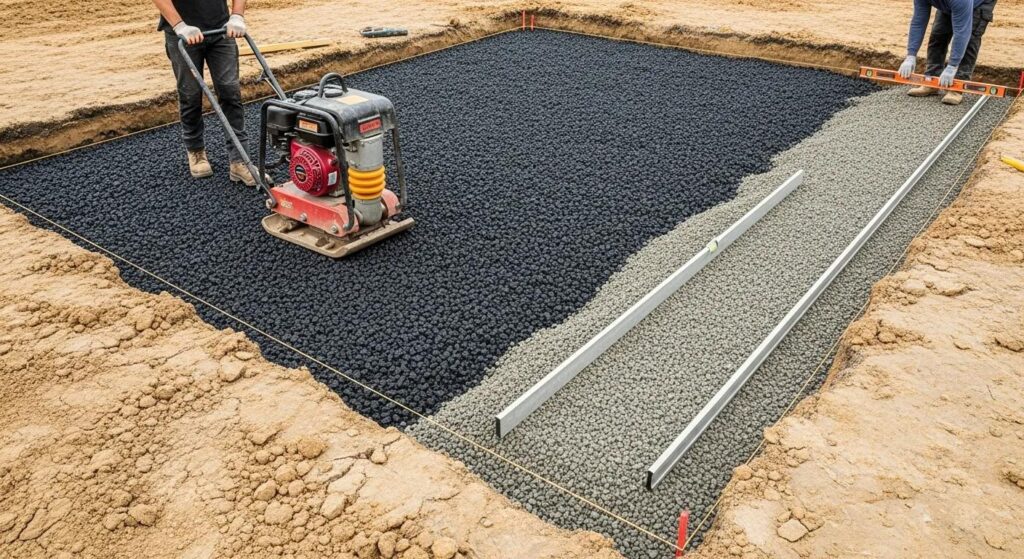
Use the following preparation techniques to ensure a stable base:
- Compaction: Properly compacting the soil creates a solid foundation that can support the weight of the pavers.
- Grading: Grading the soil to create a slight slope helps direct water away from the paved area, preventing pooling.
- Soil Amendments: Adding soil amendments can improve drainage and enhance soil quality, promoting greater stability for the pavers.
Sequence layered construction so each element performs its role: subgrade preparation; geotextile separation, where appropriate; aggregate base installation and compaction; bedding layer (if required); and the paver course with edge restraint. Check transitional details at steps, patios, and driveway edges to avoid undermining or localized water concentration.
Pay attention to jointing material and edge details; joints that lock pavers together, along with proper edge restraints, prevent lateral movement and extend service life. For vegetated edges, provide buffer zones or root barriers to avoid root heaving that can disrupt the paver surface.
Additional Considerations
Other factors also affect project success. Select high-quality materials to extend lifespan and improve appearance. Hire experienced contractors who understand local regulations and best practices. Plan for routine maintenance to preserve the pavers and the surrounding landscape.
When choosing a contractor, use a checklist: verify licensing and insurance, review recent project photos, check references, confirm familiarity with permeable systems (if applicable), and ask about warranty and post-installation maintenance plans. A clear contract that spells out scope, materials, inspection schedule, and responsibilities reduces disputes and supports a predictable outcome.
What Are the Permit Requirements for Paver Installation in San Jose?
San Jose permit requirements depend on project size and scope. Larger projects generally require permits, while minor installations may not. Review local regulations to confirm requirements, and prepare site plans and project descriptions to support the application.
Which San Jose municipal codes govern paver permits?
San Jose enforces several municipal codes relevant to paver permits, including:
- Building Code: Outlines the structural requirements for paver installations.
- Zoning Code: Regulates land use and ensures compliance with local zoning laws.
- Environmental Regulations: Addresses stormwater management and environmental protection measures.
Comprehending these codes helps ensure compliance and avoid fines or project delays.
How to apply for and obtain paver installation permits?
Apply for permits in San Jose by following these steps:
- Research Local Regulations: Familiarize yourself with the specific requirements for your project.
- Prepare Documentation: Gather necessary documents, including site plans and project descriptions.
- Submit Application: Submit your application to the local permitting authority, along with any required fees.
- Schedule Inspections: Coordinate inspections as required throughout the installation process.
Some common permit pitfalls include under-describing the scope (for example, not noting changes to grading), omitting drainage notes, or failing to show compliance with local stormwater controls. Address these proactively by providing clear drawings, photos of the existing site, and written notes about how you will manage runoff and sediment during construction.
After the permit is issued, plan a reasonable project timeline that aligns with the availability. Where inspections are required at discrete stages, schedule work so that contractors can achieve inspection milestones without idle time waiting for city action.
How Do Drainage Solutions Impact the Success of Paver Projects?
Drainage solutions are critical to paver success. Proper drainage prevents standing water that can cause structural damage and erosion, extends paver life, and helps meet stormwater regulations.
In practice, designing drainage requires thinking beyond the paved footprint. Consider how adjacent roof downspouts, irrigated areas, and landscape beds contribute water, and avoid concentrating flows at vulnerable points. Well-integrated drainage reduces long-term maintenance and preserves surrounding plantings and structures.
Why Is Soil Testing Crucial for Landscaping and Paver Durability?
Soil testing identifies site-specific conditions that affect installation and longevity. Test results guide preparation methods and amendment choices, preventing drainage and stability issues and supporting a successful project.
Which soil conditions affect paver installation and longevity?
Soil factors that affect paver projects include:
- Soil Composition: The presence of clay, sand, or silt can affect drainage and compaction.
- pH Levels: Soil pH can influence plant health and the effectiveness of soil amendments.
- Nutrient Content: Adequate nutrients are necessary for healthy plant growth around paved areas.
Interpreting soil test results with a landscaper or geotechnical advisor helps tailor amendments and base design. For planting adjacent to pavers, amend topsoil to support intended plantings while keeping engineered base layers separate to preserve drainage function.
What soil preparation techniques ensure stable paving?
To ensure stable paving, consider the following soil preparation techniques:
- Compaction: Properly compacting the soil creates a solid foundation for the pavers.
- Grading: Grading the soil to create a slight slope helps direct water away from the paved area.
- Soil Amendments: Adding organic matter or other amendments can improve soil structure and drainage.
Where vegetation is being removed and replaced with pavers, salvage topsoil for landscape areas rather than mixing it into base layers. Maintain a clear separation between structural base courses and planting zones to avoid migration of fines that can clog permeable layers.
What Sustainable Landscaping Materials Does Heavenly Greens Offer for Paver Projects?
Heavenly Greens supplies sustainable landscaping materials suitable for paver projects. Their product range includes quality pavers and soil amendments designed to support regulatory compliance and environmental performance. Choosing these materials helps create durable, eco‑friendly installations.
How do Heavenly Greens’ pavers and soil amendments support compliance?
Heavenly Greens’ pavers are produced to meet the building and environmental standards applicable in San Jose, facilitating compliance. Their soil amendments improve drainage and soil quality, supporting the overall success of paver installations.
Which drainage products enhance sustainable paving solutions?
Heavenly Greens provides drainage products that support sustainable paving solutions, including:
- Permeable Pavers: Allow water to infiltrate, reducing runoff and promoting groundwater recharge.
- Drainage Channels: Help redirect excess water away from paved areas, preventing erosion.
- Aggregate Base Materials: Provide stability and facilitate drainage, ensuring a solid foundation for pavers.
When selecting products, match material attributes to the project: choose bedding and joint materials compatible with permeable systems if infiltration is a project goal, or select dense bedding and sealed joints where impermeability is required. Confirm product technical sheets with your contractor and include these in your permit package if the reviewer requests specifications.
For more information about Heavenly Greens’ products, visit their website.
If you have any questions or need further assistance, please contact us.
Frequently Asked Questions
What are the environmental impacts of paver installations?
Paver installations affect urban environments. Impermeable surfaces increase runoff, which raises flood and water-quality risks. Soil sealing reduces ecosystem services such as water filtration and habitat provision. Using permeable pavers and incorporating green spaces can mitigate these impacts, enhance stormwater management, and support biodiversity.
How can I ensure my paver project is eco-friendly?
To make a paver project eco-friendly, use permeable pavers that allow infiltration and choose locally sourced materials to reduce transport emissions. Implement effective drainage solutions and preserve or add green spaces around paved areas. Regular maintenance prevents erosion and supports healthy soil conditions.
What are the common mistakes to avoid during paver installation?
Common mistakes include inadequate soil preparation, neglecting drainage solutions, and failing to obtain required permits. Poor compaction leads to settling and instability, while insufficient drainage causes water damage. Skipping permits can result in fines and delays. Avoid these issues through careful planning, adherence to local regulations, and consultation with experienced contractors.
How often should I maintain my paver installation?
Perform maintenance at least once a year: clean the surface, remove weeds, and inspect drainage systems. Reseal pavers every few years to protect against stains and weathering. Address settling, cracks, or other issues promptly to preserve the installation’s integrity.
What factors should I consider when choosing paver materials?
Consider durability, aesthetic fit, and environmental impact when selecting paver materials. Choose products suited to the local climate and expected traffic. Evaluate color, texture, and sustainability, and favor locally sourced options where feasible.
Can I install pavers myself, or should I hire a professional?
Some homeowners can complete small projects themselves, but professionals are recommended for larger or complex installations. Contractors bring expertise in soil preparation, drainage design, and regulatory compliance, helping to avoid common errors. If you choose to DIY, research best practices and local requirements thoroughly.
Conclusion
Adhering to guidelines for permits, drainage, and soil conditions is essential for successful paver projects in San Jose. Applying these recommendations promotes compliance, improves durability, and enhances the appearance of outdoor spaces. Consult qualified professionals and select high-quality materials matched to your site. For further information and assistance, contact Heavenly Greens.


