
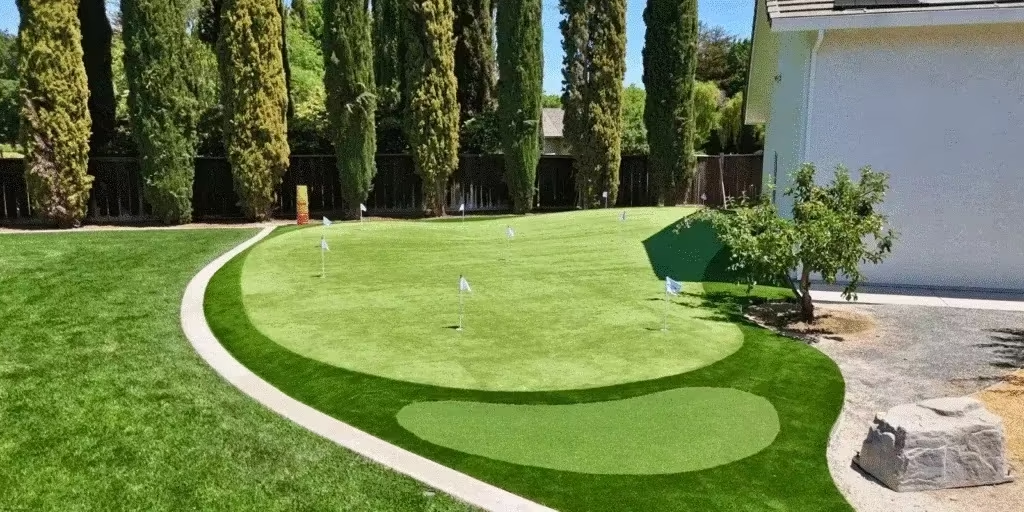
Investing in an artificial grass putting green can convert your backyard into a reliable practice area. Many homeowners encounter installation errors that compromise performance and durability. This article identifies common pitfalls and provides practical installation guidance to help you achieve a durable, attractive putting surface that meets your landscaping objectives.
This guide outlines common installation mistakes, essential tips, key considerations, and guidance on selecting appropriate turf. It also addresses drainage and maintenance practices that support the long-term performance of synthetic golf turf.
Common mistakes homeowners make when investing in an artificial grass putting green include:
Homeowners frequently miss critical steps in the installation process. The following items capture the most common errors to avoid.
- Inadequate Base Preparation: Failing to prepare a solid base can lead to uneven surfaces and poor drainage.
- Neglecting Drainage: Improper drainage can cause water pooling, leading to turf degradation and an unstable playing surface.
- Choosing the Wrong Turf: Selecting low-quality turf can result in a less realistic appearance and reduced durability.
Identifying these errors early enables corrective action and improves the chances of a successful installation.
Essential Installation Tips
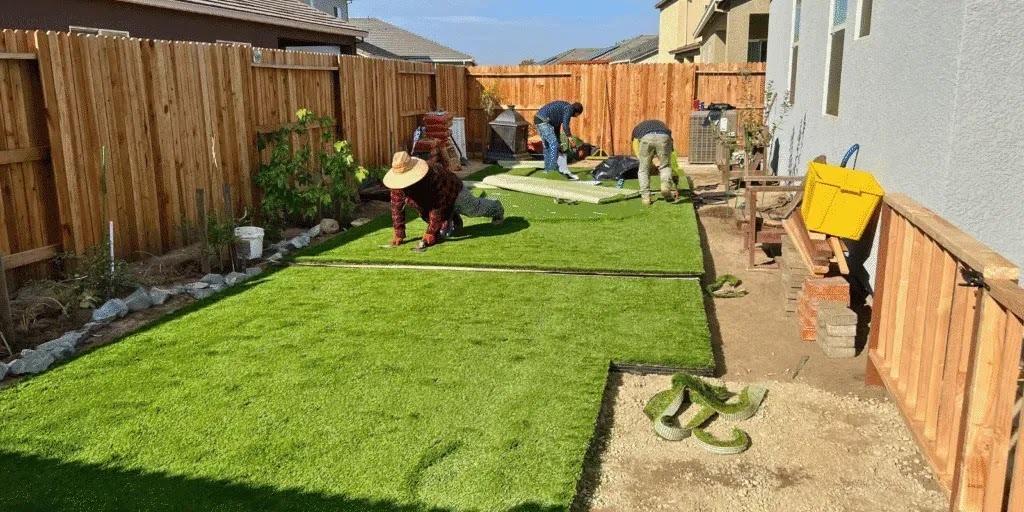
Follow a clear installation plan to achieve consistent playability and longevity. The tips below focus on foundational steps that matter most.
- Remove Existing Lawn: Clear the area of any grass or debris to create a clean slate for your putting green.
- Use a Sand/Crushed Stone Mixture for the Base: This combination provides excellent drainage and stability for the turf.
- Secure the Turf Properly: Ensure the turf is anchored correctly to prevent shifting or wrinkling over time.
Implementing these steps establishes a stable foundation and enhances both performance and service life.
Key Considerations
Plan the project around drainage, turf quality, and installation expertise. These factors determine long-term results.
- Ensure Proper Drainage: Effective drainage solutions are crucial for preventing water accumulation and maintaining turf integrity.
- Choose High-Quality Turf: Investing in premium synthetic golf turf will enhance the appearance and durability of your putting green.
- Consider Professional Installation: Hiring experts can help you avoid common mistakes and ensure a high-quality installation.
Considering these points will help you make informed decisions during planning and installation.
Potential Pitfalls
Several pitfalls can increase cost or reduce performance. Awareness allows you to mitigate these risks before installation begins.
- DIY Installation Can Void Warranties: Many manufacturers require professional installation to maintain warranty coverage.
- Skimping on Tools and Materials: Using subpar materials can lead to long-term issues with your putting green.
- Ignoring Local Climate Conditions: Failing to consider your local climate can affect the performance and longevity of your turf.
Recognizing these pitfalls supports better planning and reduces the likelihood of costly corrections.
What Are the Top 10 Common Putting Green Installation Mistakes to Avoid?
The following list summarises the top ten errors that commonly affect putting green outcomes.
- Inadequate Base Preparation
- Neglecting Drainage
- Choosing the Wrong Turf
- Improper Installation Techniques
- Ignoring Local Climate Conditions
- Failing to Secure the Turf Properly
- Not Considering Maintenance Needs
- Overlooking Warranty Requirements
- Using Inappropriate Infill Material
- Skipping Site Assessment
Avoiding these mistakes improves installation quality and delivers a better long-term experience.
Selecting the correct infill affects both appearance and performance. Research underscores the importance of infill properties for long-term function and safety.
Artificial Turf Infill Performance & Safety
Styrene butadiene rubber crumb is the most widely used performance infill for artificial turf globally. Concerns about microplastics have increased interest in organic performance infills. This study analyzed the relationship between normal stress and rotational traction for three infill types: styrene-butadiene rubber, cork, and pine. The results highlight the need for a better understanding of the performance characteristics of organic infill materials to preserve safety and functionality.
Investigating normal stress effects on the shear and traction characteristics of performance infill materials used in artificial turf surfaces, H McGowan, 2025
How Does Improper Surface Preparation Affect Synthetic Golf Turf Durability?
Inadequate surface preparation undermines durability and playability. An uneven or poorly compacted base causes irregular ball roll and can lead to settling, degrading performance over time. Proper leveling and compaction are essential to maximize lifespan and consistent play.
Why Is Incorrect Drainage Installation a Frequent Error in Backyard Putting Greens?
Improper drainage often leads to surface pooling and an unstable playing area. Poor water management accelerates turf wear and may require premature repairs. Graded bases and suitable drainage components are necessary to maintain turf integrity and reliable performance.
How Can Homeowners Choose the Best Artificial Grass for Putting Greens?
Choosing suitable artificial grass requires assessment of material quality, durability, and maintenance needs. Select turf that balances realistic appearance with resilience to foot traffic and weather.
- Material Quality: Look for turf made from high-quality materials that mimic the look and feel of natural grass.
- Durability: Select turf that can withstand foot traffic and weather conditions without losing its appearance.
- Maintenance Requirements: Consider the turf’s maintenance needs, including cleaning and infill replacement.
Prioritizing these factors helps homeowners select turf that meets aesthetic and performance objectives.
What Synthetic Turf Material Properties Ensure Longevity and Realistic Appearance?
Longevity and realism depend on UV stability, wear resistance, and overall material quality. These properties preserve color, fiber structure, and play characteristics under regular use.
- UV Resistance: High-quality turf should be UV-resistant to prevent fading and discoloration over time.
- Durability Under Foot Traffic: The turf should be designed to withstand heavy use without showing signs of wear.
- Material Quality: Premium materials contribute to a more realistic look and feel, enhancing the overall aesthetic of the putting green.
Selecting turf with these attributes supports long-term appearance and consistent play.
How Does UV Protection Influence Artificial Grass Quality and Maintenance?
UV protection reduces fading and material breakdown. Turf with adequate UV stabilizers maintains color and requires fewer interventions, reducing maintenance over time.
What Are Effective Installation Tips to Prevent Synthetic Golf Turf Errors?
Use a methodical approach that addresses site conditions, base construction, and installation technique. These three areas account for most installation failures.
- Conduct a Thorough Site Assessment: Evaluate the area for drainage issues and surface irregularities before installation.
- Ensure Proper Base Preparation: Use a sand-and-crushed-stone mixture to create a stable base.
- Opt for Professional Installation: Hiring experts can help prevent mistakes and ensure a high-quality finish.
Applying these measures reduces risk and improves the final quality of the putting green.
Which Stepwise Procedures Ensure Proper Backyard Putting Green Installation?
A clear sequence improves outcomes: assess the site, prepare the base, install drainage, lay turf, and complete final adjustments. Each step builds on the previous one.
- Site Assessment: Evaluate the area for drainage and surface conditions.
- Base Preparation: Remove existing grass and create a solid base with sand and crushed stone.
- Drainage Installation: Implement effective drainage solutions to prevent water pooling.
- Turf Installation: Lay the turf securely, ensuring it is properly anchored.
- Final Touches: Add infill material and perform a final inspection to ensure quality.
Following this order helps ensure the installation is structurally sound and fit for use.
How Can Professional Installation Support Minimize Common Mistakes?
Professional installers apply proven techniques for site assessment, drainage, and turf selection. Their experience reduces installation errors and helps protect warranty coverage, delivering a higher-quality result.
How Should Homeowners Maintain Artificial Putting Greens for Longevity?
Regular maintenance preserves appearance and performance. The key tasks below prevent accelerated wear and operational issues.
- Regular Brushing: Brush the turf regularly to keep the fibers upright and maintain a natural appearance.
- Debris Removal: Remove leaves and other debris to prevent mold and mildew growth.
- Infill Inspection: Check the infill material periodically to ensure it is evenly distributed, and replace it as needed.
Consistent care will maintain playability and extend the useful life of the putting green.
What Are the Best Practices for Artificial Putting Green Maintenance?
Adopt a routine that includes cleaning, inspections, and seasonal adjustments. These practices limit deterioration and preserve performance.
- Regular Cleaning: Clean the turf regularly to remove dirt and debris.
- Inspection Frequency: Inspect the putting green at least once a month for signs of wear or damage.
- Seasonal Adjustments: Adjust maintenance routines based on weather conditions.
Following these best practices supports consistent play and reduces the need for repairs.
How Often Should Synthetic Turf Be Cleaned and Inspected?
Inspect synthetic turf monthly for wear and damage. Clean the surface as required, typically every few weeks, to remove debris and prevent buildup. Regular attention preserves both appearance and function.
What Drainage Solutions Optimize Backyard Putting Green Performance?
Effective drainage preserves playability and prevents water-related damage. Implement solutions that suit your site conditions.
- Graded Base: A properly graded base allows for efficient water runoff.
- Perforated Pipes: Installing perforated pipes can help direct water away from the putting green.
- Gravel Layers: Adding gravel layers beneath the turf can enhance drainage and prevent water pooling.
Applying these drainage measures maintains turf integrity and on-surface performance.
Why Is Proper Drainage Critical to Avoid Installation and Maintenance Issues?
Proper drainage prevents surface pooling and structural instability. Addressing water management during installation reduces maintenance needs and protects turf longevity.
Which Drainage Types Are Recommended for Synthetic Golf Turf?
Select drainage strategies based on a thorough site assessment. Correct grading and professional installation ensure effective water management.
- Site Assessment: Conduct a thorough site assessment to determine the best drainage solutions for your specific conditions.
- Grading: Ensure proper grading to facilitate water runoff.
- Professional Installation: Consider hiring professionals to ensure drainage systems are installed correctly.
These recommendations help maintain a functional, reliable putting green.
How Do Cost and Value Considerations Impact Artificial Grass Putting Green Investments?
Cost considerations influence material selection and the scope of installation. Evaluate both upfront costs and expected lifecycle benefits to determine value.
What Are the Common Cost Factors in Backyard Putting Green Installation?
Several factors affect installation cost and project planning. Understanding them enables realistic budgeting.
- Size and Design Complexity: Larger and more complex designs typically incur higher costs.
- Material Quality: Higher-quality turf and materials will increase the overall investment.
- Site Preparation: The site’s condition and the extent of preparation required can also impact costs.
Anticipating these cost drivers allows homeowners to plan a project that meets performance goals within budget.
How Does Investing in Quality Synthetic Turf Provide Long-Term Savings?
Higher-quality turf often lowers long-term expenses by reducing replacement and maintenance requirements. Durable materials deliver better lifecycle value despite higher initial cost.
- Upfront vs. Long-Term Costs: While quality turf may have a higher upfront cost, its durability can lead to lower replacement and maintenance costs over time.
- Maintenance Savings: High-quality turf typically requires less maintenance, reducing ongoing expenses.
- Durability and Longevity: High-quality materials are designed to withstand wear and tear, extending the lifespan of your putting green.
These factors demonstrate how a higher initial investment can yield financial advantages over the turf’s useful life.
What Are the Latest Trends in Sustainable Materials and Technologies for Artificial Putting Greens?
The industry is adopting sustainable materials and water-efficient technologies. These trends reduce environmental impact while maintaining performance.
- Recycled Content: Many manufacturers are incorporating recycled materials into their turf products, thereby reducing environmental impact.
- Water Conservation: New technologies are designed to minimize water use, making synthetic greens more eco-friendly.
- Durability: Innovations in materials science are leading to more durable, longer-lasting turf options.
Staying aware of these developments helps homeowners choose environmentally responsible options without sacrificing quality.
How Do Sustainable Turf Materials Enhance Environmental Benefits?
Sustainable turf options conserve water and reduce chemical inputs. They support responsible landscaping without compromising performance.
- Conserves Water: Synthetic grass requires significantly less water than natural grass, helping conserve water.
- Reduces Chemical Runoff: By eliminating the need for fertilizers and pesticides, sustainable turf reduces chemical runoff into local waterways.
- Promotes Responsible Landscaping: Using sustainable materials supports eco-friendly landscaping practices.
These environmental benefits make sustainable turf a practical choice for homeowners seeking lower resource use and reduced maintenance.
What Innovations Improve Drainage and Turf Durability in 2024-2026?
Recent innovations focus on advanced drainage systems, improved synthetic fibers, and sustainable materials. These advances enhance water management and material lifespan.
- Advanced Drainage Solutions: New drainage technologies are designed to enhance water management and prevent pooling.
- Improved Turf Materials: Innovations in synthetic fibers are leading to more durable and realistic turf options.
- Sustainability Practices: Ongoing research focuses on developing sustainable materials that maintain performance while reducing environmental impact.
Such improvements provide homeowners with more reliable, longer-lasting options for backyard putting greens.
Where Can Homeowners Find Professional Support and Resources for Artificial Grass Installation?
Homeowners can access contractors, online guidance, and manufacturer installation guides to support their projects. Each resource serves a different planning or execution need.
- Contractors: Look for local contractors specializing in synthetic turf installation.
- Online Resources: Many websites offer guides and tutorials on artificial grass installation.
- Installation Guides: Manufacturers often provide detailed installation guides to assist homeowners.
Using these resources improves planning accuracy and reduces the chance of avoidable errors.
How Does Access to Installation Guides and Customer Support Reduce Errors?
Clear installation guides and responsive customer support prevent missteps by offering step-by-step instructions and answers to specific questions. This guidance leads to more consistent outcomes and fewer installation issues.
What are the recommended contact options for Expert Installation Assistance?
Homeowners should consider consultations, design support, and full installation services. Each option provides a different level of professional involvement based on project needs.
- Consultation Options: Many contractors offer free consultations to discuss project details and provide estimates.
- Planning and Design: Professionals can assist with planning and design to ensure the best results.
- Installation Services: Hiring experts for installation can help prevent common mistakes and ensure a high-quality finish.
These contact options deliver practical support for homeowners investing in artificial grass putting greens.
For more information or to contact us, visit our website.
Frequently Asked Questions
What factors should I consider when selecting the location for my putting green?
Select a site with good sunlight, limited tree coverage, and a slope. Sunlight reduces uneven wear, while distance from trees limits debris. Assess slope and drainage to ensure water does not collect on the surface.
How can I ensure my artificial grass putting green is safe for children and pets?
Choose certified, non-toxic turf and safe infill materials. Maintain the surface regularly and ensure proper drainage to avoid standing water. These steps support a safe environment for children and pets.
What maintenance practices are essential for keeping my putting green in top condition?
Key maintenance practices include regular brushing, debris removal, and periodic infill checks. Inspect the surface monthly and adjust routines seasonally to address weather impacts. Consistent maintenance preserves playability and appearance.
How does the choice of infill material affect the performance of my putting green?
Infill influences stability, feel, and drainage. Rubber infill provides shock absorption and softness; sand infill improves drainage and firmness. Choose infill that aligns with your desired surface characteristics and maintenance preferences.
What are the benefits of hiring a professional for installation versus DIY?
Professionals offer expertise in site assessment, drainage design, and turf selection. They reduce the risk of errors, help preserve warranties, and deliver a consistent finish. While DIY can lower initial cost, professional installation often yields better long-term value.
What are the latest advancements in artificial grass technology?
Advances include more realistic, durable fibers, improved drainage systems, and greater use of sustainable materials. These developments enhance longevity, playability, and environmental performance.
Conclusion
An artificial grass putting green can add long-term value and reliable play to your backyard when installed correctly. Avoid common mistakes, specify quality materials, and follow sound maintenance practices to protect your investment. For expert guidance and premium products, review our resources and contact our team.


