
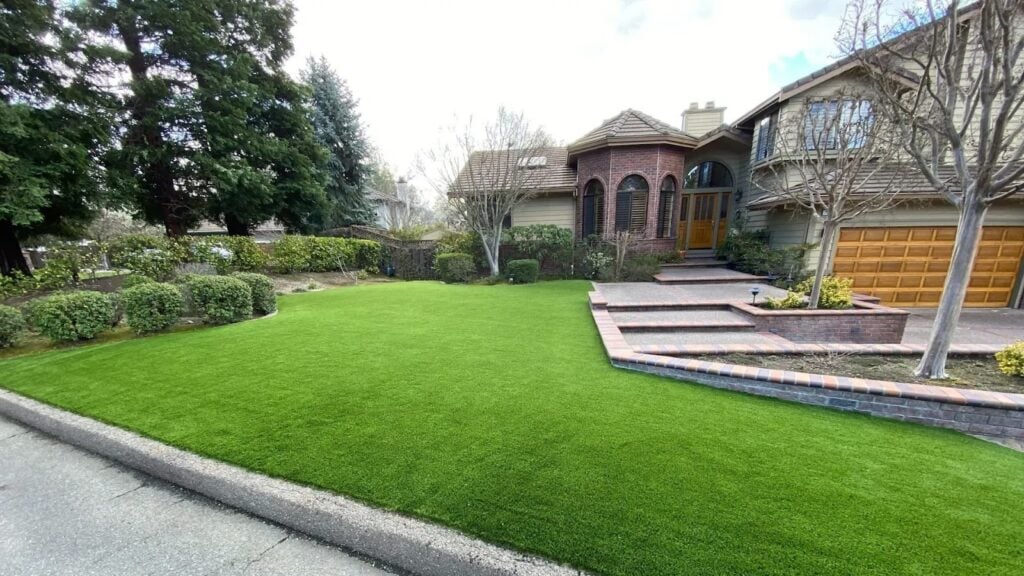
In San Jose’s competitive commercial market, a property’s exterior appearance strongly influences its ability to attract clients, customers, and tenants. Professional landscaping does more than make a site look good: it shapes perception, supports property operations, and contributes to long‑term value. This article explains how targeted landscape design, material selection, and maintenance practices improve commercial spaces. It outlines direct benefits, sustainable techniques suited to the region, product considerations for durable installations, and practical maintenance planning. Property managers and facility teams can use these insights to prioritize investments that enhance both appearance and functionality.
What Are the Key Benefits of Commercial Landscaping for San Jose Properties?
Commercial landscaping delivers advantages well beyond surface aesthetics. Thoughtful design and professional execution increase curb appeal, support tenant comfort, reduce operational friction, and produce measurable environmental benefits. Together, these outcomes strengthen marketability and make properties more attractive to a wider range of prospective tenants and visitors.
More specifically, professional landscaping typically contributes to:
- Perception and branding: a polished exterior signals quality and attention to detail, reinforcing a building’s image.
- Functionality and safety: clear sightlines, properly lit, well-lit walkways, and defined circulation improve access and reduce liability risk.
- Environmental performance: well‑designed plantings, soil management, and material choices help control stormwater, reduce heat island effects, and lower irrigation needs.
- Operational efficiency: thoughtful plant selection and material choices can reduce routine upkeep and long‑term maintenance costs.
How Does Professional Landscaping Increase Commercial Property Value?
Professional landscaping can increase commercial property value; some analyses report gains in market metrics attributable to quality grounds. Well‑maintained grounds create a strong first impression that speeds leasing, supports higher rental rates, and attracts higher‑quality tenants. The visible condition of outdoor spaces often serves as a proxy for overall building management, so that landscaping investments can lead to better tenant retention and lower vacancy rates.
Value increases happen through several mechanisms. Attractive landscaping shortens marketing cycles by making properties more appealing online and in person. Thoughtful site planning can increase usable outdoor amenity space—such as courtyards, seating, or shaded walkways—that tenants may value as extensions of usable square footage. Sustainable upgrades, such as efficient irrigation or native planting, often lower operating expenses, thereby enhancing net operating income and, over time, bolstering property valuation.
When planning upgrades, consider the maturity of plantings and the need for staged investment. Newly installed landscapes may take several seasons to look fully established; phased planting and an initial maintenance program help ensure the site reaches the aesthetic and functional goals that support value uplift.
Additional research corroborates the financial benefits of investing in high-quality commercial landscaping, particularly in terms of rental rates.
Landscaping’s Economic Impact on Commercial Property Rental Rates
This study examines the effect of trees and landscaping on office rental rates by comparing 85 office buildings (270 unique leases) in the Cleveland, Ohio metropolitan area. Researchers collected data on the quantity and quality of landscaping, including landscape maturity, ground-cover percentages (trees, turf, pavement), and functional attributes such as building shade, noise buffering, space definition, recreation, visual screening, and aesthetics. A multiple regression analysis using a hedonic model was applied to isolate the economic effects of landscaping while controlling for lease information, physical building attributes, and distance variables.
The influence of trees and landscaping on rental rates at office buildings, RJ Laverne, 2003
In What Ways Does Landscaping Improve Curb Appeal and Tenant Satisfaction?
Landscaping directly enhances curb appeal and tenant satisfaction through both design and upkeep. A coordinated palette of plant material, consistent maintenance, and seasonal color create a welcoming arrival experience for employees, clients, and visitors. Well‑placed shade trees and planted buffers can moderate temperatures on walkways and outdoor amenity areas, making exterior spaces more usable throughout the year.
Beyond visual benefits, landscapes contribute to occupant comfort and convenience. Thoughtful placement of seating, planters, and pathways encourages outdoor breaks, informal meetings, and social interaction—amenities that tenants increasingly expect. Simple features such as clear signage, defined pedestrian routes, and consistent edging also improve wayfinding and reduce wear on planted areas.
Tenant satisfaction often correlates with the perceived care of the grounds. Regular maintenance communicates that property managers are attentive to the site, which can strengthen tenant confidence in building operations and encourage lease renewals. In addition, attractive exterior spaces support employee retention and productivity by providing pleasant outdoor options for breaks.
Which Sustainable Landscaping Practices Are Most Effective in San Jose?
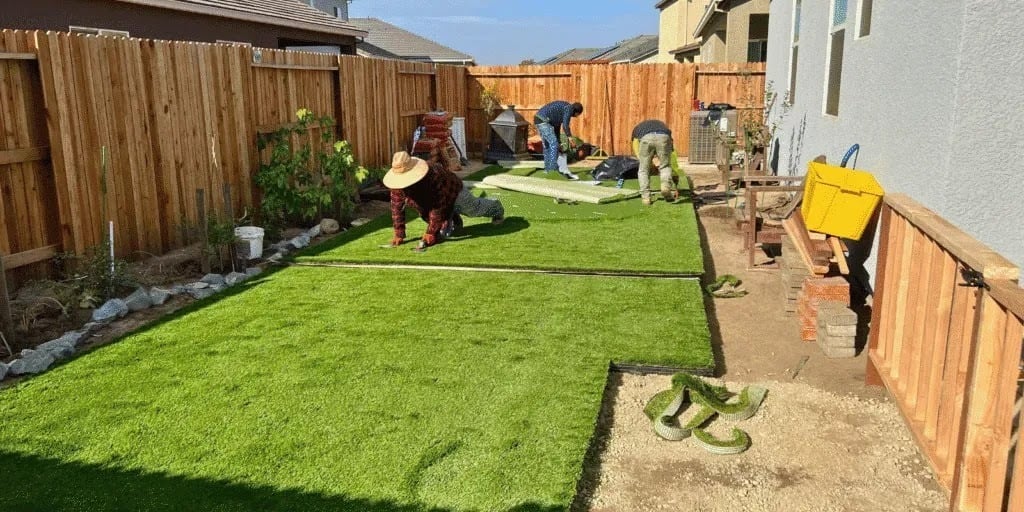
Sustainable landscaping is a priority in San Jose, given local climate patterns and water‑use considerations. Effective sustainable practices reduce environmental impact while lowering maintenance and utility costs for commercial properties. Sound sustainable design aligns plant selection, irrigation, and surface materials to the site’s microclimate and operational needs.
Common sustainable strategies include prioritizing drought‑tolerant and regionally appropriate plantings, installing efficient irrigation controls, using permeable paving to manage stormwater, and improving soil health through organic amendments. These measures work together to reduce irrigation demand, minimize runoff, and support resilient planted areas that require fewer interventions over time.
What Native Plants and Eco-Friendly Materials Are Recommended?
Using native and regionally adapted plants is an effective, sustainable approach because these species are adapted to local climate, soils, and seasonal moisture patterns. Native plants generally require less irrigation once established, reduce the need for chemical inputs, and support local biodiversity. When selecting plant palettes, landscape designers typically consider sun exposure, soil type, and maintenance expectations to assemble durable combinations that perform with minimal inputs.
Alongside plant choices, selecting eco‑friendly hardscape materials improves site performance. Permeable pavers and porous surface treatments allow rainwater to infiltrate rather than run off, reducing stormwater load on municipal systems. Recycled mulches and locally sourced aggregates reduce the embodied carbon of materials while providing the functional benefits of moisture retention and erosion control.
Research consistently demonstrates ecological benefits from integrating native flora into landscape designs, supporting ecosystem health and sustainability.
Native Plant Landscaping for Ecosystem Health & Sustainability
Functioning ecosystems provide services such as carbon sequestration, flood mitigation, and water purification. Studies indicate that restoring ecosystem functions through targeted strategies can recover these benefits (Burghardt et al., 2008). At the household and property scales, landscaping with native plants rather than non‑native ornamentals can help restore ecosystem functions and habitat for native species, supporting organisms that have coevolved in the region and reducing habitat strain.
Uncovering the Interest of Private Landowners in Learning More About Landscaping with Native Plants, 2022
How Do Sustainable Practices Contribute to Water Conservation and Cost Savings?
Sustainable practices contribute directly to water conservation and operating cost reduction. Employing drought‑resistant plantings, improving soil organic matter, and installing efficient irrigation controllers reduces the overall water demand for a site. Lower irrigation use means reduced utility bills and can also help properties comply with municipal water restrictions or incentive programs.
Operational savings extend beyond water. Landscapes designed for resilience require less pruning, fewer pest interventions, and less replanting over time. Decisions made during design—such as grouping plants by water needs (hydrozoning), installing mulch to reduce evaporation, and selecting durable groundcovers for high‑traffic areas—reduce routine labor and material replacement costs, delivering savings across multiple budget line items.
What Professional Landscaping Products Does Heavenly Greens Offer for Commercial Use?
Heavenly Greens supplies high‑quality landscaping products tailored for commercial properties, offering options that balance appearance with environmental performance. Their portfolio supports projects that require durable surfaces, consistent aesthetics, and lower ongoing water demand.
Which Eco-Friendly Landscaping Materials Are Available?
Heavenly Greens provides eco‑friendly materials, including commercial synthetic turf and pet‑friendly turf products. These solutions deliver a consistently green appearance while significantly reducing irrigation needs and routine maintenance compared with live turf. Synthetic options are particularly appropriate for high‑use areas, spaces with challenging drainage, or locations where maintaining healthy live turf is impractical.
When used thoughtfully, synthetic turf reduces the need for mowing, fertilization, and frequent reseeding. Pet‑friendly turf variants are designed for easier cleaning and odor management, making them suitable for properties with animal‑friendly amenities or where tenant pets are expected. Integrating these materials with permeable edging and proper sub‑base drainage helps maintain surface performance and reduces runoff concerns.
How Do These Products Support Long-Term Landscape Quality and Maintenance?
Heavenly Greens’ products are engineered for durability and low upkeep. Proper installation includes attention to base preparation and drainage to ensure the surface remains level and functional for years. Routine care for synthetic installations generally consists of occasional brushing, debris removal, and periodic inspections rather than the regular mowing and irrigation schedules required by live turf.
For properties considering a hybrid approach—mixing synthetic elements with planted areas—Heavenly Greens’ materials can complement native plant zones and permeable hardscapes, creating a balanced design that reduces water use while preserving natural character where desired. When selecting products, coordinate with installers to confirm warranties, cleaning recommendations, and compatibility with site drainage systems.
How Should San Jose Commercial Properties Plan Their Landscape Maintenance?
Planned landscape maintenance is essential to preserve both beauty and functionality. A structured maintenance program extends the life of the landscape and ensures the site continues to meet tenant and visitor needs while protecting the investment made during design and installation.
Maintenance planning also supports budgeting and scheduling. Defining core tasks and frequencies—then monitoring outcomes—helps managers forecast annual expenses and adjust service levels as plantings mature or as site use patterns change.
What Are Recommended Maintenance Frequencies and Services?
Recommended maintenance typically includes routine lawn and turf care (or synthetic turf inspections), pruning of trees and shrubs to maintain health and sightlines, seasonal planting or refreshes for color and interest, and regular irrigation audits. Additional periodic services can include soil testing and amendment, mulch replenishment, pest management using integrated approaches, and inspection of hardscape elements for safety.
A practical maintenance schedule will vary by property type and plant selections, but core activities usually fall into recurring categories: weekly visual inspections and debris removal; monthly pruning, edging, and turf attention; and seasonal tasks such as mulching, fertilization (where appropriate), and irrigation controller adjustments. Keeping clear records of work completed and plant performance helps refine frequencies over time.
How Do Maintenance Plans Enhance Landscape Longevity and Appearance?
A comprehensive maintenance plan—addressing soil health, weed control, and routine care—preserves landscape integrity and prevents deterioration. Proactive tasks such as timely pruning, monitoring for disease,e and addressing irrigation issues early reduce the risk of larger, costlier replacements later. Well‑documented maintenance programs also make it easier to measure performance against objectives like water reduction or tenant satisfaction.
Maintenance plans can be tiered to match budget and expectations. For example, a basic package may cover essential safety and appearance needs, while premium plans include seasonal color rotations, soil amendments, and more frequent turf care. Communicating plan levels and expected outcomes to tenants and ownership creates clearer alignment on standards and investment priorities.
How Can Commercial Property Managers Choose the Right Landscaping Contractor in San Jose?
Selecting the appropriate landscaping contractor is a critical decision that affects service quality and long‑term results for a property. Choosing a contractor with commercial experience ensures the crew understands site logistics, liability considerations, and the higher performance expectations of commercial clients.
What Criteria Define a Professional and Reliable Landscaping Company?
Property managers should evaluate a contractor’s licensing and insurance, relevant commercial landscaping experience, and the quality of materials and installation practices. Additional indicators of a reliable partner include clear proposals that outline scope and deliverables, transparent pricing, and references from similar commercial projects. Site visits to completed work demonstrate an installer’s attention to detail and ability to deliver consistent outcomes.
Performance measures and service level agreements (SLAs) are useful tools for setting expectations. Consider defining response times for critical issues, seasonal service windows, and measurable outcomes such as irrigation efficiency improvements or tenant satisfaction targets. Regular progress reviews and documented punch‑lists at project closeout help ensure installations meet agreed standards.
How Does Heavenly Greens Demonstrate Expertise and Customer Satisfaction?
Heavenly Greens has built a reputation for quality through the use of durable materials and sustainable practices, supported by positive client feedback. Their focus on delivering consistent results and strong customer service positions them as a partner that can support both one‑time installation projects and ongoing maintenance relationships for commercial properties in San Jose.
When evaluating Heavenly Greens or any contractor, request detailed installation procedures, maintenance requirements, and examples of similar completed commercial projects. Confirm that the contractor’s maintenance recommendations align with property goals and ask for a walkthrough to review how proposed materials perform on real installations.
What Recent Trends and Innovations Are Shaping Commercial Landscaping in San Jose?
The landscaping sector continues to evolve, and adopting current trends and innovations helps commercial properties meet operational, aesthetic, and sustainability objectives. Integrating data‑driven systems, higher‑efficiency materials, and multi‑functional design approaches allows properties to derive greater value from outdoor investments.
How Are Smart Irrigation Systems and Landscape Lighting Improving Efficiency?
Smart irrigation systems use weather and soil sensors, along with controller programming, to apply water when and where it is needed. This precision reduces waste and helps landscapes remain healthy during dry periods. Many systems also provide reporting that supports water‑use monitoring and helps managers adjust schedules seasonally.
Advances in landscape lighting—such as energy‑efficient LED fixtures and targeted lighting design—improve aesthetics while enhancing safety and security during evening hours. Carefully designed lighting can highlight architectural features and planted areas without creating excessive glare or light pollution.
What Case Studies Highlight Successful Sustainable Landscaping Projects?
Local projects that combined native planting with efficient irrigation systems have demonstrated meaningful water savings and improved site usability. For example, a commercial property that replaced high‑maintenance turf with native plantings and upgraded irrigation achieved a significant reduction in water use while creating more attractive, lower‑maintenance amenity areas. These outcomes show the practical benefits of eco‑friendly design and phased implementation.
| Practice | Benefit | Impact Level |
|---|---|---|
| Native Plant Landscaping | Reduced water usage | High |
| Smart Irrigation Systems | Efficient water management | High |
| Eco-Friendly Materials | Lower environmental impact | Medium |
The table demonstrates how selected sustainable landscaping practices deliver environmental benefits and cost savings for commercial properties. When selecting practices for a particular site, weigh the expected maintenance profile, aesthetic goals, and tenant expectations to prioritize the most relevant measures.
Commercial landscaping integrates aesthetic, financial, and environmental objectives to increase property value and tenant satisfaction. By implementing professional landscaping, sustainable design choices, and an effective maintenance program, property managers can create inviting, functional spaces that differentiate their properties in the market and reduce volatility in long‑term operating expenses.
To learn more about how Heavenly Greens can transform your commercial property, consider reaching out to their team for project consultation, feasibility discussions, and product samples. A site assessment often clarifies the combination of materials and services that will deliver the best aesthetic and operational outcomes.
If you are ready to take the next step in enhancing your commercial property’s landscape, contact us today to discuss your project and explore available options. Preparing a simple brief that outlines your goals, budget range, and any site constraints will speed initial conversations and produce more targeted recommendations.
Frequently Asked Questions
What are the long-term benefits of investing in professional landscaping for commercial properties?
Professional landscaping yields long‑term benefits such as increased property value, greater tenant satisfaction, and reduced maintenance costs. Well‑designed landscapes improve curb appeal and attract tenants more quickly, while careful plant selection and efficient irrigation lower ongoing utility and labor costs. Over several leasing cycles, these cumulative benefits contribute to a stronger financial performance for the asset.
Additionally, professional landscaping supports operational predictability. A well-maintained landscape is less prone to sudden failures that require expensive emergency repairs, and predictable maintenance schedules simplify budgeting and vendor management for property teams.
How can commercial properties in San Jose effectively implement sustainable landscaping practices?
Properties can implement sustainable landscaping by selecting regionally appropriate plants, installing efficient irrigation systems, and choosing eco‑friendly materials. Start with a site assessment to determine sun exposure, soil drainage, and existing microclimates. Group plants by water needs (hydrozoning), install smart controllers, and design for stormwater infiltration where possible. Implementing these measures in a phased manner allows managers to prioritize high‑impact changes while monitoring results.
What role does landscape maintenance play in the overall success of commercial properties?
Landscape maintenance is essential to keep grounds healthy, attractive, and functional. Routine activities—lawn care, pruning, and seasonal planting—preserve landscape integrity and prevent deterioration that can diminish tenant perceptions and increase long‑term costs. Well‑executed maintenance also plays a critical role in safety, ensuring walkways remain clear, lighting is functional, and sightlines are preserved for security.
How can property managers assess the effectiveness of their landscaping efforts?
Managers can assess the effectiveness of landscaping by collecting tenant feedback, tracking changes in property value or leasing velocity, and analyzing maintenance and utility costs. Tenant surveys provide direct insight into perceived improvements; property performance metrics reveal financial impact; and cost analysis highlights efficiency opportunities. Combining qualitative feedback with quantitative metrics gives a comprehensive view of landscaping ROI.
What are some common mistakes to avoid when planning commercial landscaping?
Common mistakes include ignoring local climate and site conditions, selecting plantings based solely on short‑term appearance, and underestimating maintenance needs. Choosing water‑intensive or poorly sited plants increases costs and leads to premature failures. Skipping a clear maintenance plan or failing to coordinate irrigation and planting strategies can undermine design objectives. Successful projects balance aesthetics, sustainability, and realistic maintenance commitments.
How can technology enhance landscaping maintenance for commercial properties?
Technology enhances maintenance through smart irrigation that adjusts to weather and soil moisture, landscape management software that schedules tasks and tracks costs, and sensors that monitor plant health. Automation can reduce manual labor and improve consistency, while data from these systems supports evidence‑based decisions about plant choices and maintenance frequencies. Using technology in combination with skilled crews produces the best outcomes for both appearance and resource efficiency.
Conclusion
Investing in professional landscaping for commercial properties in San Jose yields clear, multi‑faceted returns: improved curb appeal, increased property value, reduced operating costs, and higher tenant satisfaction. Combining sustainable plant palettes, efficient irrigation, durable materials, and a structured maintenance program creates resilient landscapes that perform aesthetically and functionally over time. Property managers who align landscape investments with operational goals and tenant expectations will see both immediate visual benefits and longer-term value gains. To improve your commercial property’s landscape, explore Heavenly Greens’ offerings and work with experienced installers to create a plan tailored to your site’s needs and budget.


