
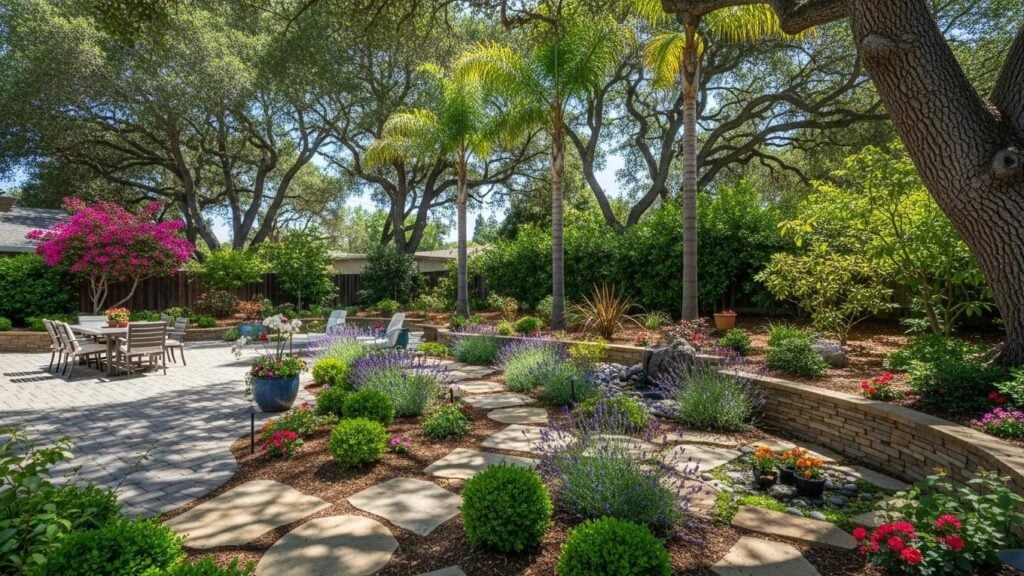
[DIY hardscaping appeals to San Jose homeowners looking to enhance their outdoor spaces. Many projects, however, fall short because of predictable challenges. This article reviews common DIY pitfalls, potential structural failures, and the influence of local conditions on hardscape durability. It also outlines the benefits of professional services, the value of local expertise, and sustainable material options so homeowners can choose approaches that deliver durable, attractive results.
Before starting any hardscape project, understanding what goes into design and construction helps set realistic expectations. Time, the right tools, correct materials, and compliance with local rules all affect the outcome. A clear scope, staged work plan, and awareness of maintenance needs will reduce surprises and protect the investment.
What Are the Common Challenges of DIY Hardscaping in San Jose?
Homeowners who attempt DIY hardscaping in San Jose frequently encounter obstacles that limit project success. Common challenges include:
- Labor and Equipment Needs: Many DIY projects require specialized tools and equipment that homeowners may not own or know how to use effectively.
- Site Conditions: The unique topography and soil conditions in San Jose can complicate installation, making it difficult to achieve a level, stable surface.
- Environmental and Climate Factors: San Jose’s Mediterranean climate can affect the longevity of hardscaping materials, leading to premature wear and tear if not properly managed.
In addition to these three areas, logistics (delivering and storing materials), staging work to avoid damage to existing plantings, and coordinating with neighbors or HOA rules can add complexity. Planning for each of these reduces the risk that a DIY project becomes an open-ended chore.
Which Structural Issues Arise from DIY Hardscaping Attempts?
Poorly executed DIY hardscaping often leads to structural problems stemming from insufficient preparation and limited technical knowledge. Key structural problems include:
- Inadequate Soil Preparation: Failing to prepare the soil properly can lead to uneven settling and cracking in hardscape.
- Poor Drainage Management: Without proper drainage, water can accumulate, leading to erosion and damage to hardscape features.
- Insufficient Base Compaction: Inadequate compaction can lead to unstable surfaces that shift or sink over time.
These issues often appear progressively: small movement or pooling at first, then larger cracks or uneven areas. Early detection—such as checking alignment, monitoring drainage after rain, and testing base compaction during installation—can prevent minor faults from becoming major failures.
How Do Local San Jose Conditions Affect DIY Hardscape Durability?
San Jose’s local conditions strongly influence hardscape longevity. Soil type, climate, and environmental factors affect material performance. For instance:
- Soil Types: Different soil types can affect drainage and stability, making it essential to select appropriate materials and installation techniques.
- Climate Factors: San Jose experiences a Mediterranean climate, which can cause cracking and fading in hardscaping materials if they are not suited to these conditions.
- Environmental Considerations: Sustainable practices, such as using permeable materials, can enhance durability while benefiting the local ecosystem.
In practice, that means choosing a base depth and compaction method appropriate for the local soil, selecting finishes that resist sun exposure, and planning plantings that will not undermine hardscape edges. Small choices at the design stage reduce maintenance demands later.
What Are the Benefits of Hiring Professional Hardscaping Services in San Jose?
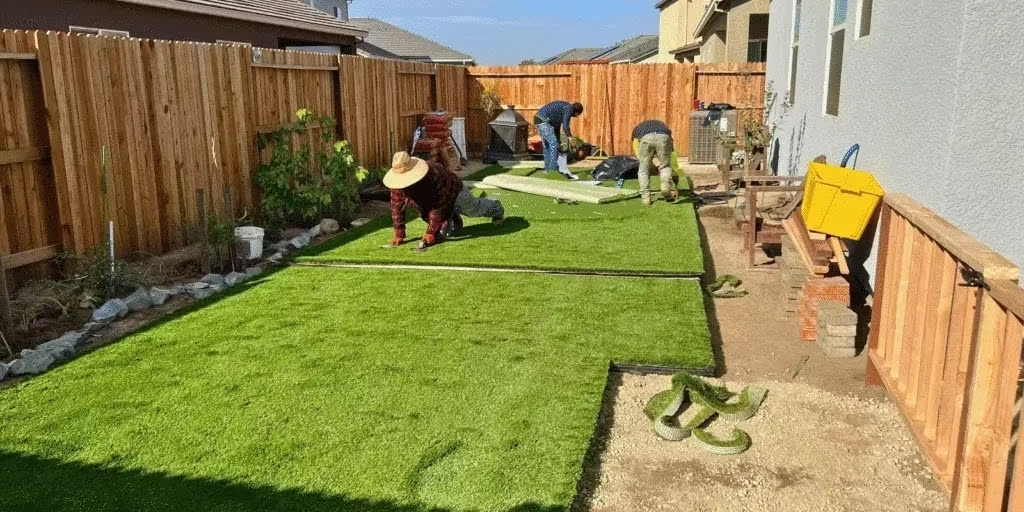
Engaging professional hardscaping services increases the likelihood of a successful project. Principal benefits include:
- Expertise: Professionals bring a wealth of knowledge and experience, ensuring installations are completed correctly and efficiently.
- Quality of Materials: Professionals have access to high-quality materials that are specifically suited to the local climate and soil conditions.
- Long-Term Maintenance Advantages: Professional installations often include warranties and maintenance plans, providing homeowners with peace of mind.
A professional contractor also manages logistics: measuring, sourcing, scheduling, and coordinating subcontractors when necessary. This reduces delays, limits disruption to daily life, and ensures a finished space that meets expectations for aesthetics and performance.
How Do Professionals Ensure Durable and Compliant Hardscape Installations?
Professionals secure durability and compliance through careful planning and execution. Key practices include:
- Durability: Professionals use high-quality materials and techniques that withstand local weather conditions, ensuring long-lasting results.
- Compliance with Regulations: They are knowledgeable about local building codes and regulations, ensuring that all installations meet the necessary standards.
- Site Preparation: Professionals conduct thorough site assessments to ensure the area is
properly prepared, addressing any potential issues before installation begins.
During execution, pros typically document work steps and guide upkeep. This documentation can be useful for future homeowners and for satisfying inspection or warranty requirements.
What Role Does Local Expertise Play in Professional Landscape Design?
Local expertise is essential for landscape design in San Jose. Professionals familiar with the region understand:
- Local Climate Knowledge: They can recommend materials and designs that thrive in San Jose’s specific climate.
- Expert Installation Techniques: Local professionals are adept at using techniques that account for the area’s unique soil and environmental conditions.
- Sustainable Practices: They can incorporate sustainable landscaping solutions that benefit both the homeowner and the environment.
Local contractors also tend to have relationships with material suppliers, permitting offices, and subcontractors, which streamlines project delivery and helps avoid common local pitfalls such as unsuitable product selections or permit delays.
Which Sustainable Hardscaping Materials Are Recommended for San Jose Properties?
Several sustainable materials are particularly suitable for San Jose, offering environmental benefits and durability:
- Interlocking Pavers: These provide a versatile, durable option that allows natural drainage and reduces runoff.
- Natural Stone: A timeless choice that blends well with the natural landscape while offering durability and low maintenance.
- Permeable Pavement Systems: These systems allow water to infiltrate through the surface, reducing erosion and promoting groundwater recharge.
When choosing among these materials, consider maintenance needs, edge restraints, and expected loads (for example, driveways versus pedestrian pathways). Proper installation and a suitable base are as important as the surface material itself.
Understanding sustainability principles is important when choosing materials that serve present needs without compromising future ones.
Sustainable Hardscape Design Principles for Future Generations
Designers of public spaces and hardscape must prioritize sustainability. According to the Brundtland Commission, sustainability includes the ‘policies and strategies that meet society’s present needs without compromising the ability of future generations to meet their own needs’ (World Commission of Environment and Development, 1987). Public space planning can meet current and future needs for social interaction while protecting natural resources.
Urban Design and Stormwater Management: An Integrated Approach to Public Hardscape Design, 2011
What Are the Environmental Benefits of Using Eco-Friendly Materials?
Eco-friendly materials deliver environmental benefits that support resilient landscapes. These include:
- Permeability: Eco-friendly materials often allow better water absorption, reducing runoff and erosion.
- Recycled Materials: Many sustainable options incorporate recycled content, minimizing waste and resource consumption.
- Biodiversity Support: Sustainable landscaping practices can enhance local biodiversity by providing habitats for a range of species.
In practical terms, selecting permeable surfaces and recycled aggregates lowers the burden on stormwater systems and can improve water quality. Complementary plantings and soil-friendly designs further increase ecological benefit.
How Does Heavenly Greens Support Sustainable Landscaping with Its Product Range?
Heavenly Greens supports sustainable landscaping through a range of products and services tailored to local needs. The company provides:
- High-Quality Artificial Turf: Designed to conserve water while providing a lush, green appearance year-round.
- Sustainable Hardscaping Materials: Including interlocking pavers and permeable systems that promote environmental health.
- Expert Consultation Services: Helping homeowners choose the best materials and designs for their specific needs.
By prioritizing sustainability, Heavenly Greens helps create attractive, environmentally responsible outdoor spaces.
Their consultation process can guide homeowners through trade-offs — for example, when low maintenance is prioritized over a fully natural lawn — and suggest hybrid approaches that blend artificial turf with planted areas, permeable paving, and rain-friendly designs.
How Does the Cost of DIY Hardscaping Compare to Professional Installation in San Jose?
Comparing DIY costs with professional installation requires assessing several factors. DIY may appear cheaper initially, but hidden expenses can accumulate. Key considerations include:
- Material Costs: DIYers may not have access to the same quality materials as professionals, which can lead to potential long-term issues.
- Labor and Site Preparation: The time and effort required for proper site preparation can be significant and is often underestimated by DIYers.
- Long-Term Value: Professional installations typically offer greater durability and lower maintenance costs over time, making them a more cost-effective choice.
When estimating cost, include the price of renting equipment, transporting materials, disposal of excavated soil, and any permit fees. Factoring these in will give a clearer picture of comparative expense.
What Are the Long-Term Financial Implications of DIY vs. Professional Services?
Long-term financial effects differ between DIY and professional services. While DIY can lower upfront expenses, it may increase lifetime costs due to:
- Initial Cost Comparison: DIY projects may seem cheaper, but the risk of mistakes can lead to costly repairs.
- Hidden Expenses: Unforeseen issues, such as drainage problems or material failures, can lead to additional costs.
- Resale Value: Professionally installed hardscaping can enhance property value, while poorly executed DIY projects may detract from it.
Professionals also typically provide aftercare advice and maintenance schedules that help preserve value and performance, which can be factored into long-term budgeting decisions.
How Can Investing in Professional Services Save Money Over Time?
Investing in professional hardscaping services can reduce lifecycle costs. Primary reasons include:
- Quality Assurance: Professionals ensure installations are done correctly, reducing the likelihood of costly repairs.
- Reduced Maintenance Costs: High-quality materials and expert installation often lead to lower maintenance needs.
- Enhanced Property Value: Well-executed hardscaping can increase a property’s market value, providing a return on investment.
In many cases, a professional will outline a phased maintenance plan so costs are predictable and spread over time rather than appearing as unexpected large repairs.
What Are the Most Common DIY Hardscaping Mistakes and How to Avoid Them?
DIY hardscaping frequently suffers from recurring mistakes that compromise project outcomes. Key mistakes include:
- Inadequate Base Preparation: Failing to prepare the base properly can lead to uneven surfaces and structural issues.
- Neglecting Drainage Solutions: Poor drainage can cause water accumulation, leading to erosion and damage.
- Poor Compaction: Insufficient compaction can lead to shifting and settling over time.
Avoid these mistakes by following a clear checklist before beginning work: verify base depth for the chosen material, install a drainage plan, and test compaction with a plate compactor. If you are unsure, please consult a professional for a brief site visit to confirm the plan.
Which Installation Errors Lead to Structural Failures?
Specific installation mistakes can cause structural failure in hardscaping projects. Common errors include:
- Inadequate Soil Preparation: Failing to properly prepare the soil can lead to instability and cracking.
- Neglecting Drainage Solutions: Failing to implement proper drainage can lead to water damage and erosion.
- Skipping Permits: Failing to obtain necessary permits can lead to legal issues and costly fines.
Taking a methodical approach—documenting layers, using recommended compaction levels, and ensuring edges and joints are properly detailed—reduces risk. If a permit is required, get it before work starts to avoid stopping mid-project.
How Can Proper Planning Improve Hardscaping Outcomes?
Proper planning is essential to achieve desired hardscaping results. Key planning strategies include:
- Site Assessment: Conducting a thorough assessment of the site can identify potential challenges and inform design choices.
- Clear Project Scope: Defining a clear project scope helps ensure that all aspects of the project are considered and addressed.
- Permitting and Regulations: Understanding local regulations and obtaining necessary permits can prevent legal issues and ensure compliance.
A realistic timeline, contingency budget, and a staged schedule for deliveries and work phases help keep the project on track. Include a simple maintenance schedule in the plan to keep the finished work in good condition.
How Can Homeowners and Commercial Managers Consult with San Jose Hardscaping Experts?
Consulting hardscaping experts provides practical guidance for homeowners and commercial managers. Effective consultation steps include:
- Prepare Detailed Information: Providing detailed information about the project can help experts offer tailored advice.
- Use a Checklist: Creating a checklist of questions and concerns can help ensure that all important topics are covered during the consultation.
- Schedule a Consultation: Meeting with a local expert can provide personalized guidance and recommendations.
During consultations, ask for examples of similar past work, request references, and clarify what is included in any written estimate. A brief site visit by the consultant often uncovers issues that a phone conversation cannot.
What Services Does Heavenly Greens Offer for Professional Hardscaping?
Heavenly Greens provides professional hardscaping services tailored to homeowners and businesses. Key services include:
- Paver Installations: Expert installation of interlocking pavers for durable and attractive hardscapes.
- Artificial Turf Installations: Providing low-maintenance, eco-friendly landscaping solutions.
- Commercial Installations: Tailored hardscaping solutions for commercial properties, enhancing curb appeal and functionality.
These services demonstrate Heavenly Greens’ focus on quality and sustainable practice.
How to Access Expert Consultation and Product Support Locally?
Homeowners seeking expert consultation and product support from Heavenly Greens should follow these steps:
- Contact Methods: Reach out via phone or email to discuss project needs and schedule a consultation.
- Consultation Process: During the consultation, experts will assess the project and provide tailored recommendations.
- Location: Heavenly Greens is located at 370 Umbarger Rd., San Jose, CA 95111, making it accessible to residents.
Bringing basic site measurements and photos to the first meeting speeds the process and allows the consultant to provide more precise guidance. Ask about warranty terms and available maintenance packages to help you weigh ongoing support options.
What Are the Latest Trends in Sustainable Landscaping and Hardscaping for San Jose?
Sustainable landscaping trends continue to evolve to meet homeowner and municipal priorities. Key trends include:
- Use of Interlocking Pavers: These materials promote natural drainage and reduce runoff, making them a popular choice for sustainable projects.
- Drought-Resistant Materials: Incorporating drought-resistant plants and materials helps conserve water and reduce maintenance needs.
- Integration of Natural Elements: Blending hardscaping with natural features enhances aesthetics and supports local ecosystems.
Designers are increasingly blending hardscape and softscape to create multifunctional yards that are attractive and use fewer resources. Incorporating native plantings alongside permeable hardscape reduces irrigation needs and improves habitat value.
How Are Rising Material Costs Influencing Hardscaping Choices?
Rising material costs are influencing homeowners’ hardscaping choices in San Jose. Key influences include:
- Demand for Sustainable Materials: As costs rise, homeowners are increasingly seeking sustainable options that offer long-term value.
- Impact on Property Value: Higher material costs can affect overall project budgets, leading homeowners to prioritize quality and durability.
- Long-Term Performance Considerations: Investing in high-quality materials can mitigate the impact of rising costs by reducing maintenance and replacement needs.
To manage budgets, homeowners can phase work over multiple seasons, prioritize essential structural elements first, and opt for durable finishes that reduce lifetime maintenance costs.
What Local Regulations Impact Sustainable Hardscaping Projects?
Local regulations shape sustainable hardscaping projects in San Jose. Key regulations include:
- Permit Requirements: Homeowners must obtain the necessary permits for hardscaping projects to ensure compliance with local codes.
- Municipal Codes: Local codes may dictate specific materials and practices to promote sustainability and environmental protection.
- Inspection Requirements: Projects may be subject to inspections to ensure compliance with applicable regulations and standards.
Check local municipal guidance early in the project planning phase to confirm setbacks, impervious surface limits, and any stormwater requirements. Early clarity reduces the chance of rework after inspections.
Where Can You Find Quality Hardscaping Materials and Supplies in San Jose?
Securing quality materials is essential for successful hardscaping. Homeowners can explore:
- Local Suppliers: San Jose has several suppliers offering a range of hardscaping materials, including pavers, stones, and eco-friendly options.
- Quality Materials: It’s important to choose suppliers that provide high-quality materials suited for local conditions.
- Sustainable Options: Many suppliers now offer sustainable materials that align with environmentally friendly practices.
Visiting suppliers to inspect samples and ask about installation recommendations and warranty coverage helps ensure that the selected products align with the project’s goals.
Which Products Does Heavenly Greens Offer for Sustainable Hardscaping?
Heavenly Greens supplies a range of products suited to sustainable hardscaping. Key offerings include:
- Interlocking Pavers: Durable and versatile, these pavers are ideal for a range of hardscaping applications.
- Artificial Turf: A sustainable alternative to natural grass, providing a lush appearance without the need for watering.
- Permeable Systems: Designed to promote drainage and reduce runoff, these systems are perfect for environmentally conscious projects.
Combining these products with thoughtful design—proper grading, edge restraints, and plant integration—creates functional, attractive landscapes that perform well in the San Jose climate.
How to Choose the Right Materials for Your Project Needs?
Selecting appropriate materials requires consideration of several factors. Homeowners should evaluate:
- Durability: Select materials that can withstand local climate conditions and heavy use.
- Aesthetic Preferences: Consider how materials will complement the property’s overall design and style.
- Environmental Impact: Opt for sustainable materials that minimize environmental harm and promote eco-friendly practices.
When in doubt, request sample swatches or small on-site test installations to see how color, texture, and drainage perform under real-world conditions. Consulting with a professional can speed this evaluation and reduce risk.
Frequently Asked Questions
What are the key differences between DIY and professional hardscaping services?
The primary differences concern expertise, material quality, and long-term outcomes. Professionals offer specialized knowledge and experience to ensure correct installation and access to materials matched to local conditions. While DIY may reduce upfront costs, it often leads to hidden costs from errors, making professional services a more reliable choice for durable results.
How can homeowners assess the quality of hardscaping materials?
Homeowners can assess material quality by checking for certifications or industry standards, confirming resistance to local climate conditions, consulting professionals and customer reviews, and inspecting samples at local suppliers to verify suitability for the project.
What maintenance practices are essential for sustainable hardscaping?
Essential maintenance includes regular cleaning to preserve drainage and appearance, prompt repair of cracks or movement, application of sealants to appropriate porous materials, and incorporation of native planting to support soil health and biodiversity.
What are the environmental impacts of traditional hardscaping materials?
Traditional impermeable materials increase runoff and erosion, which can harm water quality and local habitats. Their production, particularly concrete, typically consumes substantial energy and generates carbon emissions. Choosing permeable or recycled alternatives reduces these impacts.
How can homeowners ensure compliance with local hardscaping regulations?
To ensure compliance, homeowners should review municipal codes and permit requirements, consult local professionals familiar with those regulations, secure any required permits and retain documentation, and maintain communication with authorities throughout the project.
What are the benefits of integrating natural elements into hardscaping designs?
Integrating natural elements enhances aesthetics and ecological balance. Rocks, plants, and water features create cohesive landscapes that support wildlife, often reduce maintenance needs, and can improve drainage and soil health, creating a more sustainable outdoor space.
What trends are emerging in sustainable hardscaping practices?
Emerging trends include increased use of permeable materials to improve drainage, wider adoption of drought-resistant planting and xeriscaping to conserve water, and greater use of recycled and eco-friendly products to lower environmental impact.
Conclusion
Investing in professional hardscaping services in San Jose ensures outdoor spaces that are attractive, durable, and sustainable. By applying local expertise and quality materials, homeowners can avoid common DIY pitfalls and achieve long-term satisfaction. Understanding the advantages of professional installation helps you make informed decisions for your property. Contact us today to discuss how our services can transform your landscape into a functional, attractive outdoor retreat.
Thoughtful design, correct installation, and sustainable material choices combine to protect your investment and create outdoor spaces that serve both people and place. Whether you proceed with a DIY plan after consulting experts or hire professionals for a full installation, prioritize the planning steps and maintenance measures described here to get the best results.


