
Transforming backyards into functional outdoor living spaces is increasingly common among San Jose homeowners. Hardscaping — the use of non‑plant elements such as stone, concrete, and wood — is central to that transformation. When combined with sustainable materials, hardscape features deliver durable, attractive, and environmentally responsible outdoor areas. This article examines the benefits of sustainable materials in hardscaping, presents effective design examples, and explains how these elements improve outdoor functionality. It also addresses the importance of sustainability in hardscaping projects and the advantages of sourcing local materials. Throughout, the focus remains practical: choices that perform well in the San Jose climate, reduce maintenance, and support water‑wise landscaping.
This approach aligns with research on sustainable outdoor living design, which emphasizes creating spaces that support well‑being while adhering to recognized environmental practices.
Sustainable Outdoor Living Design & Environmental Practices
This paper examines outdoor environmental design and the need to create spaces that deliver positive physical and mental health outcomes while applying sustainable environmental practices that improve quality of life. It considers how such approaches may increase public environmental awareness. Although the research offers theoretical guidance for sustainable process design, local implementation remains limited. The study reviews how local government and community organizations are beginning to adopt standards for sustainable environmental design and highlights climate‑conscious, practice‑based, and site‑specific approaches as means to advance environmentally sustainable design.
Theory and Practice for Outdoor Spaces of Urban Challenges: An Environmental Sustainable Design, LK Kadhum, 2026
Benefits of Sustainable Materials
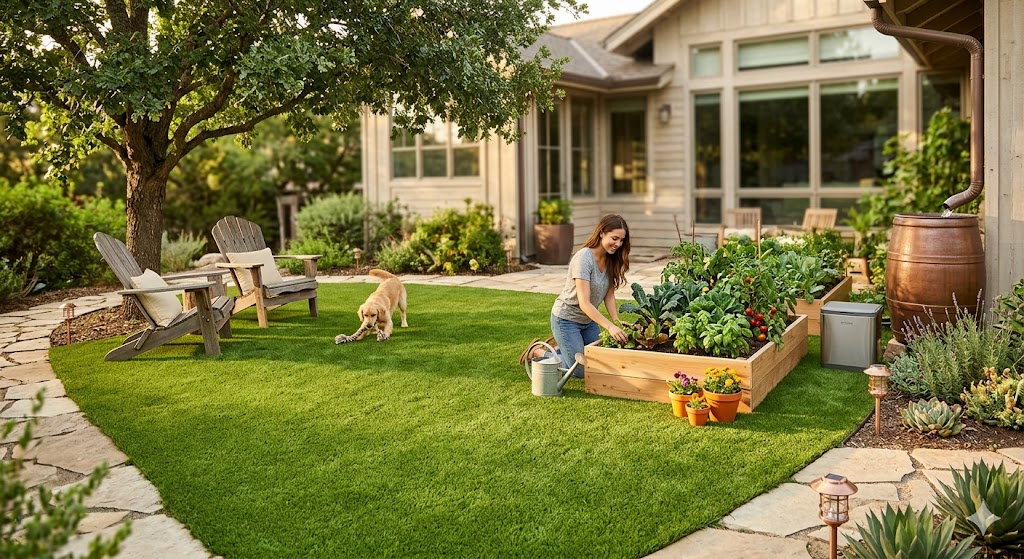
Sustainable hardscaping materials deliver both functional and environmental benefits. Products such as permeable pavers and recycled‑content units support stormwater management and reduce surface runoff. For example, interlocking pavers allow water infiltration, which helps limit flooding and erosion. Many pavers also incorporate recycled content, conserving resources and diverting material from landfill. These characteristics make sustainable materials a practical choice for environmentally conscious homeowners.
Beyond immediate performance, sustainable materials often offer lower lifecycle impacts. Choosing durable stone or high‑quality recycled units reduces the need for replacement and the environmental cost of repeated manufacturing and transport. Properly specified sustainable materials can also improve thermal comfort in outdoor spaces, resist local weathering, and require less frequent maintenance than lower‑quality alternatives. When paired with thoughtful site preparation, these materials support long‑term, low‑impact outdoor living areas.
Research further emphasizes the critical role of permeable pavements in stormwater management, particularly in regions like California.
Permeable Pavement for California Stormwater Management
This work examines interest in permeable pavement for stormwater management. Permeable pavements are increasingly recognized as part of low‑impact development aimed at reducing stormwater contamination of rivers.
Fully permeable pavement for stormwater management: Progress and obstacles to implementation in California, J Harvey, 2017
| Material Type | Benefit | Environmental Impact |
|---|---|---|
| Permeable Pavers | Allows water drainage | Reduces runoff and flooding |
| Recycled Pavers | Conserves resources | Minimizes waste in landfills |
| Natural Stone | Durable and aesthetic | Low maintenance and long-lasting |
Integrating sustainable materials into hardscape enhances appearance while advancing environmental objectives. Homeowners can establish functional outdoor areas that are both attractive and beneficial to the local ecosystem. Combining sustainable hardscape elements with planting features such as rain gardens or bioswales multiplies the environmental benefits: the hardscape manages runoff while planted areas filter and absorb water, creating a resilient system that supports local biodiversity.
Examples of Effective Hardscaping Designs
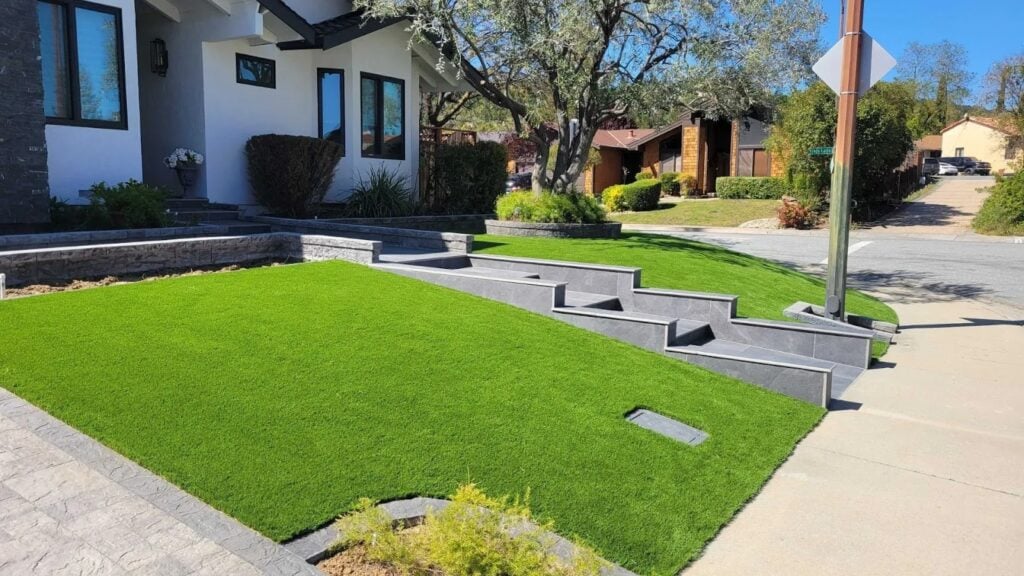
Effective hardscaping can convert a simple backyard into a well‑designed outdoor living area. The following examples are commonly used and adaptable for a range of lot sizes and budgets:
- Permeable Pavement Systems: These systems allow water to infiltrate the ground, reducing runoff and promoting groundwater recharge. They work well for driveways, patios, and pathways and can be combined with planted joints or infill to soften the look.
- Geometric Patterns: Using interlocking pavers in geometric designs can create visually striking patios and walkways. Designers often use contrasting colors and sizes to define zones, draw the eye, and create a sense of order in the landscape.
- Natural Stone Aesthetics: Incorporating natural stone elements adds rustic charm and blends seamlessly with the surrounding landscape. Flagstone patios, stone steps, and low stone seating walls create durable features that age gracefully.
These approaches improve both aesthetics and functionality, creating spaces suited to relaxation and entertaining. Thoughtful placement of lighting, seating, and planters completes the space and extends usability into evening hours.
Frequently Asked Questions
What are the environmental benefits of using permeable pavers in hardscaping?
Permeable pavers allow water to infiltrate the surface, substantially reducing stormwater runoff. They help manage rainwater, limit flooding and erosion, and promote groundwater recharge. By filtering contaminants, permeable pavements also lower the risk of water pollution. Overall, they represent a sustainable option that supports eco‑friendly landscaping. When designing with permeable pavers, consider soil type and drainage capacity to ensure the system functions as intended; a qualified installer can evaluate infiltration rates and recommend appropriate base materials.
How can homeowners ensure their hardscaping projects comply with local regulations?
Homeowners should begin by reviewing San Jose zoning ordinances and building codes to determine which structures require permits, such as retaining walls or outdoor kitchens. Consulting local authorities or a professional landscape designer will clarify permit requirements and necessary documentation. Providing detailed plans with a complete application facilitates a more efficient approval process. It is also helpful to check whether neighborhood or homeowners’ association guidelines apply, since covenants can affect materials, colors, or visible changes to the landscape.
What maintenance practices are essential for preserving the longevity of hardscape areas?
Regular maintenance extends the life of hardscape areas. Maintain clean surfaces to prevent staining and deterioration. Replenish joint sand in paver installations to deter weeds and preserve structural integrity. Conduct seasonal inspections for cracks or other damage and perform repairs promptly. Apply sealants where appropriate to protect surfaces from weathering. For permeable surfaces, clearing sediment from joints and replacing infill material as needed helps maintain infiltration capacity over time.
What are the advantages of integrating softscape elements with hardscape?
Combining softscape — plants and greenery — with hardscaping improves both aesthetics and functionality. Vegetation provides shade, improves air quality, and supports local wildlife, while hardscape defines usable areas. Together, they can assist water management and support soil health, contributing to a more sustainable landscape. Strategically placed trees and shrubs can also reduce heat gain on hard surfaces and create comfortable microclimates for outdoor living.
How can homeowners budget effectively for their hardscaping projects?
Effective budgeting begins with obtaining detailed estimates for materials and labor to establish a realistic cost plan. Allow for contingencies such as site preparation or additional materials. Consider financing options, including home equity or personal loans, to manage cash flow. Prioritizing durable materials and sound design can increase property value and reduce long‑term maintenance costs. Requesting multiple bids and checking references helps ensure competitive pricing and contractor reliability.
What role do local materials play in sustainable hardscaping?
Selecting local materials promotes sustainability by reducing transport‑related emissions and supporting the regional economy. Native stone and plant species are often better adapted to the local climate, requiring less water and maintenance. Using local materials also encourages biodiversity by favoring species that benefit native wildlife, while enhancing the landscape’s appearance. When possible, ask suppliers about the origin of stone, pavers, and soil amendments to prioritize locally sourced options.
What Are the Key Benefits of Hardscaping for San Jose Backyards?
Hardscaping provides several clear benefits for homeowners seeking to enhance outdoor space:
- Enhanced Usability: Hardscape areas provide functional spaces for gatherings, dining, and relaxation. Well‑designed patios and walkways create distinct zones that support different activities, from quiet reading to group entertaining.
- Aesthetic Improvements: The use of various diverse materials and designs can significantly enhance the visual appeal of a backyard. Thoughtful combinations of texture, color, and pattern can highlight architectural features and create visual continuity with the home.
- Increased Property Value: Well-designed hardscaping can boost a home’s overall value, making it more attractive to potential buyers. Durable, low‑maintenance features are especially appealing in markets where outdoor living is a selling point.
Together, these benefits make hardscaping a key consideration for homeowners seeking to enhance outdoor living. Selecting materials and layouts that suit long‑term use and the local climate maximizes both enjoyment and return on investment.
How Does Hardscaping Enhance Outdoor Living Functionality?
Hardscaping enhances functionality by creating defined areas for specific activities. Patios and walkways establish clear circulation, and retaining walls form terraces or seating. These features enable homeowners to use their outdoor spaces for entertaining and family time. Additionally, hardscape areas typically demand less routine care than traditional gardens, freeing homeowners to enjoy their spaces. Integrating storage, lighting, and utilities into hardscape design further improves usability by making outdoor tasks and gatherings more convenient.
Why Is Sustainability Important in San Jose Hardscaping Projects?
Sustainability is essential in hardscaping because it promotes responsible use of materials, helps manage water in drought‑prone regions like San Jose, and reduces the overall environmental impact of landscaping projects, supporting a healthier ecosystem. Choosing permeable surfaces, recycled products, and locally sourced stone helps conserve resources while addressing regional concerns such as water conservation and stormwater runoff.
This commitment to sustainability in hardscape design helps ensure that current needs are met without compromising the ability of future generations to meet theirs.
Sustainable Hardscape Design for Future Generations
The discussion emphasizes that designers should prioritize sustainability when incorporating elements into public spaces and hardscape design. The Brundtland Commission defines sustainability as “policies and strategies that meet society’s present needs without compromising the ability of future generations to meet their own needs” (World Commission on Environment and Development, 1987). Planning and design should therefore protect natural resources.
Urban Design and Stormwater Management: An Integrated Approach to Public Hardscape Design, 2011
Which Sustainable Hardscaping Materials Are Ideal for San Jose Landscapes?
- Interlocking Pavers: These are made from recycled materials and allow water to drain, making them an eco-friendly choice. They are available in multiple sizes and finishes to match a variety of design styles.
- Artificial Turf: This low-maintenance option conserves water and provides a green space year-round. Modern turf systems include infill options and proper drainage to reduce heat retention and extend product life.
- Natural Stone: Sourced locally, natural stone is durable and blends well with the environment. It is well-suited for steps, seating walls, and pathways where longevity is a priority.
These materials improve outdoor aesthetics while supporting sustainable landscaping practices. Selecting appropriate materials for the site, load conditions, and intended use ensures durable, low‑impact installations.
What Are the Advantages of Permeable Pavers and Retaining Wall Blocks?
- Water Management: Permeable pavers allow rainwater to infiltrate the ground, reducing runoff and promoting groundwater recharge. When combined with subbase reservoirs and proper grading, they form an effective stormwater strategy.
- Environmental Benefits: These materials help mitigate flooding and erosion, contributing to a healthier ecosystem. They also reduce the burden on municipal stormwater systems during heavy rainfall events.
- Durability: Both permeable pavers and retaining wall blocks are designed to withstand the elements, ensuring long-lasting performance. Proper installation and edge restraint systems are critical to avoid shifting and settling over time.
These characteristics make permeable pavers and retaining wall blocks suitable choices for homeowners seeking sustainable improvements. Regular inspection and simple maintenance keep these systems functioning as intended.
How Do Local San Jose Materials Contribute to Eco-Friendly Landscaping?
Specifying local materials reduces transportation emissions and supports the local economy. Native stone and plants are typically adapted to the local climate, requiring less water and maintenance. This approach conserves resources and promotes biodiversity by using species that support local wildlife. Working with local suppliers also often makes it easier to obtain project recommendations tailored to the region’s environmental conditions and regulatory expectations.
How Can Homeowners Design Functional Outdoor Living Spaces in San Jose?
- Integration of Hardscape and Softscape: Balancing hardscape elements with plants creates a harmonious environment. Use planting beds, permeable edges, and seasonal color to soften hard surfaces and create visual interest.
- Clear Circulation: Ensuring pathways are well-defined and accessible enhances usability. Consider widths, surface transitions, and lighting when planning routes between spaces.
- Future Flexibility: Designing spaces that can adapt to changing needs allows homeowners to maximize their outdoor areas. Modular furniture, movable planters, and multi-use paved zones make reconfiguration simple.
Focusing on these elements enables homeowners to create versatile, enjoyable outdoor living spaces. Early planning that considers function and flow helps avoid costly retrofits later.
What Are Popular Backyard Patio Design Ideas in San Jose?
- Patterned Turf Layouts: Using different turf patterns can create visual interest and define spaces. Paired with paving accents, patterned turf delineates play zones or seating areas without fencing.
- Mixed Surfaces: Combining materials such as stone and wood adds texture and depth to patios. Transitions between materials should be level and safe to avoid trip hazards.
- Custom Features: Incorporating unique elements, such as fire pits or built-in seating, can enhance a patio’s functionality and appeal. These focal points encourage use and can define the character of the space.
These design concepts help homeowners create inviting, functional patios. Consider shade, wind, and views when situating features to maximize comfort and enjoyment.
How Does Outdoor Kitchen Installation Enhance Backyard Usability?
An outdoor kitchen increases backyard usability by providing a dedicated area for cooking and entertaining. It reduces the need to move between indoor and outdoor spaces and can include grills, sinks, and countertops suited for gatherings. Outdoor kitchens can also raise property value, making them a practical investment. Plan for utilities, storage, and durable finishes that resist outdoor conditions to ensure the space remains functional and attractive over time.
What Is the Installation Process and Permit Requirements for Hardscaping in San Jose?
The hardscaping installation process in San Jose generally follows several steps:
- Research Local Regulations: Homeowners should familiarize themselves with local zoning laws and regulations. Begin early to learn which features require permits and any setback or height restrictions that may apply.
- Prepare Documentation: Necessary permits and plans must be prepared and submitted to local authorities. Clear, scaled drawings and a simple materials list speed reviews and reduce the chance of revisions.
- Submit Application: Once the documentation is complete, homeowners can submit their application for approval. Timelines vary, so allow adequate lead time before construction; a professional designer or contractor can often assist with the permitting process.
Following these steps helps ensure a smooth installation and regulatory compliance. Maintaining open communication with the permitting office and your contractor reduces unexpected delays.
Which Steps Are Involved in Paver Installation in San Jose?
- Assessment and Design: Homeowners should assess their space and design a layout that meets their needs. Consider slope, drainage, and how the paved area will be used to determine appropriate materials.
- Excavation: The area must be excavated to create a stable base for the pavers. Proper excavation removes organic material and soft spots that could lead to settling.
- Paver Placement: Finally, pavers are placed according to the design, ensuring proper alignment and spacing. Edge restraints are installed to keep the pavers secure, and joints are filled to lock the pattern in place.
Following these steps helps ensure a successful paver installation that enhances the outdoor area. Skilled installers pay attention to compaction, base depth, and jointing to prevent future movement and to maintain surface drainage.
What Permits Are Needed for Backyard Hardscape Projects in San Jose?
- Building Permits: Necessary for structures such as retaining walls and outdoor kitchens. Check permit height thresholds and material requirements to determine if a permit is required.
- Zoning Permits: Required to ensure compliance with local zoning laws. Zoning reviews typically confirm setbacks, lot coverage, and permitted uses.
- Environmental Permits: May be required for projects that impact local ecosystems. Sensitive areas or projects that alter drainage patterns should be reviewed early to identify any additional approvals required.
Homeowners should consult local authorities to confirm the specific permits required for their projects. Early engagement with the permitting office can uncover potential issues and reduce the need for changes during construction.
How Should Homeowners Budget and Finance Their Backyard Hardscaping Projects?
Budgeting for backyard hardscaping projects involves several key considerations:
- Cost Estimates: Homeowners should obtain estimates for materials and labor to create a realistic budget. A detailed estimate separates material, labor, and permit costs so adjustments can be made if needed.
- Financing Options: Various financing options, such as home equity loans or personal loans, can help manage costs. Review terms and payment schedules to choose an option that fits your financial plan.
- Maximizing Value: Investing in quality materials and designs can enhance property value and reduce long-term maintenance costs. Prioritize items that provide the most functional benefit and long-term durability.
Careful budget planning enables homeowners to complete their hardscaping projects successfully. Including allowance for unexpected site conditions helps avoid delays and mid‑project decision pressure.
What Are Typical Cost Ranges for San Jose Hardscaping Materials and Services?
- Paver Types and Costs: Prices for pavers can range from $ to $$ per square foot, depending on the material and design.
- Labor Costs: Installation labor can add an additional $ to $$ per square foot.
- Factors Influencing Costs: The complexity of the design, site conditions, and material choices can all impact overall costs.
Understanding these cost factors helps homeowners make informed decisions about hardscaping investments. Request itemized proposals to compare options and identify where savings can be achieved without sacrificing quality.
Which Financing Options Support Sustainable Landscaping Investments?
- PACE Financing: This program allows homeowners to finance energy-efficient improvements through property taxes.
- EnerBank Financing: Offers personal loans for home improvement projects.
- Wisetack Financing: Provides flexible payment options for homeowners looking to invest in sustainable landscaping.
These financing options can make investing in eco‑friendly hardscaping more accessible to homeowners. Review eligibility and repayment terms to select the options that best fit your project plan.
What Are the Best Practices for Maintaining Hardscape Features in San Jose?
- Regular Cleaning: Keeping surfaces clean prevents the buildup of dirt and debris.
- Joint Sand Maintenance: Replenishing joint sand helps prevent weed growth and maintain stability.
- Sealing: Applying sealants can protect surfaces from stains and weather damage.
Following these maintenance practices will extend the service life of hardscape features. Establish a simple seasonal checklist—sweeping, clearing drains, checking joints, and inspecting for minor repairs—to keep features in good condition and avoid larger repairs later.
How Can Maintenance Extend the Longevity of Pavers and Retaining Walls?
- Regular Cleaning: Removing dirt and debris prevents staining and deterioration.
- Joint Maintenance: Ensuring joints are filled with sand helps maintain structural integrity.
- Inspection: Regularly inspecting for damage enables timely repairs, preventing further issues.
These maintenance measures help keep hardscape elements functional and visually appealing over time. Addressing small settlement or drainage issues early prevents more extensive and expensive repairs later.
What Are The Recommended Care Tips for Outdoor Kitchens and Landscape Lighting?
- Regular Cleaning: Keeping surfaces clean prevents buildup and maintains their appearance.
- Seasonal Inspections: Checking for wear and tear ensures that all features function properly.
- Proper Storage: Storing equipment properly during the off-season can extend its lifespan.
Adopting these care tips will help homeowners enjoy outdoor kitchens and lighting systems for many years. Confirm that lighting fixtures and electrical components are installed in accordance with code and protected from weather exposure.
How Does Heavenly Greens Support San Jose Homeowners with Hardscaping Solutions?
Heavenly Greens assists San Jose homeowners with sustainable hardscaping solutions. Their services include artificial turf installation, which conserves water and provides a consistent green surface year‑round. They also provide design options tailored to client preferences and sustainability objectives, ensuring each project aligns with the homeowner’s vision and environmental goals. Typical services include initial consultation, material selection guidance, site assessment, and a design review to confirm function and aesthetics before installation begins.
What Sustainable Hardscaping Products Does Heavenly Greens Offer?
- Dog-Friendly Turf: Designed for pet owners, this turf is durable and easy to maintain.
- Backyard Putting Greens: Perfect for golf enthusiasts, these greens offer a fun, functional outdoor feature.
- Kid’s Play Areas: Safe, soft surfaces for children’s play, ensuring a secure environment.
These products demonstrate Heavenly Greens’ commitment to quality and sustainable outdoor living solutions. Customers can request samples and discuss installation options to ensure the final result meets expectations for durability and appearance.
For further information or to review available options, visit Heavenly Greens.
How Can Customers Contact Heavenly Greens for Expert Consultation?
- Phone : (669) 304-2931
- Email: info@heavenlygreens.com
To begin your hardscaping project or to request a consultation, contact us today. A site visit and a short design review will usually clarify material choices, priorities, and an estimated installation timeline.
Conclusion
Incorporating sustainable hardscaping materially improves the appearance and function of San Jose backyards. These materials support stormwater management and resource conservation and can increase property value. Homeowners gain attractive, practical, and eco‑friendly outdoor spaces. To review sustainable hardscaping options, please visit our website. Thoughtful selection and proper installation help ensure the outdoor space remains an enjoyable, long‑lasting part of your home.


