
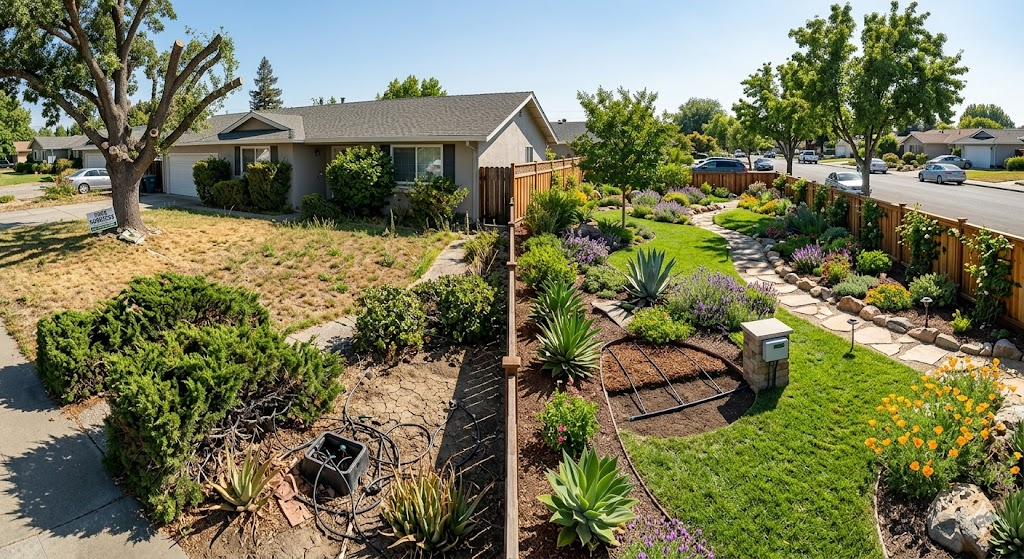
Landscaping materially enhances a property’s appearance and market value. Many San Jose homeowners, however, make avoidable errors that increase repair and maintenance costs. This article identifies common pitfalls and provides expert, sustainable solutions. By applying these best practices, homeowners can create functional outdoor spaces that perform well in San Jose’s climate. Topics include base preparation, drainage, plant selection, and sustainable design approaches.
This guide focuses on practical, local advice for homeowners planning small to medium-sized residential projects. It balances design goals with performance: achieving the look you want while minimizing water use, maintenance time, and long-term expenses. The strategies below apply to front yards, backyards, and small courtyard gardens throughout San Jose.
Common residential landscaping mistakes made by San Jose homeowners include:
Homeowners in San Jose encounter recurring landscaping errors that undermine project outcomes. Recognizing these issues enables better planning and execution. The following list highlights the most frequent mistakes observed in residential projects.
- Inadequate Base Preparation: Failing to prepare the soil properly can lead to poor plant growth and drainage issues.
- Neglecting Drainage: Ignoring drainage solutions can result in water pooling and root rot, damaging plants and hardscape.
- DIY Installation Risks: Many homeowners attempt to tackle landscaping projects themselves without the necessary skills, leading to subpar results.
- Ignoring Local Climate: Failing to consider San Jose’s Mediterranean climate can lead to plant choices that struggle to thrive.
- Overlooking Maintenance Needs: Failing to plan for ongoing maintenance can result in overgrown, unkempt landscapes.
Awareness of these common mistakes allows homeowners to plan proactively and reduce the likelihood of costly corrections. Below, we expand on each error with practical indicators and simple checks you can perform before investing time or money.
For example, before installing a new planting bed, check the existing soil depth, look for compacted layers, and confirm whether water sits on the surface after a heavy rain. If you notice standing water, mapping how water flows across the property will reveal trouble spots that need grading, French drains, or downspout extensions. Similarly, if a DIY plan includes concrete or pavers, confirm subbase depth and compaction requirements—these are frequent sources of cracking or sinking when skipped.
Expert Tips and Sustainable Solutions
Successful landscapes combine professional guidance with sustainable practices. The strategies below focus on long-term performance, water efficiency, and reduced maintenance.
- Professional Consultation: Engaging with a landscaping expert can provide valuable insights tailored to your specific property and needs.
- Proper Site Preparation: Ensuring the soil is adequately prepared with the right amendments can significantly improve plant health and growth.
- Choosing Sustainable Materials: Opting for eco-friendly materials can enhance your landscape’s sustainability while reducing environmental impact.
- Regular Maintenance: Establishing a maintenance schedule helps keep the landscape healthy and attractive year-round.
- Considering Local Trends: Staying informed about local landscaping trends can inspire innovative designs that resonate with the community.
Applying these recommendations helps homeowners achieve attractive, durable landscapes with lower operating costs and reduced environmental impact.
Practical examples: a short professional consultation can identify soil pH issues, recommend a basic planting palette suited to your microclimate, and estimate irrigation needs. Proper site preparation often means aerating compacted areas, incorporating organic matter to improve water retention and structure, and installing a correct subbase under hardscape to avoid future repairs. Choosing recycled pavers, permeable surfaces, and locally produced materials reduces embodied energy while supporting long-term drainage and stormwater management goals.
What Are the Most Frequent Plant Selection Errors in San Jose Landscaping?
Plant selection determines water use, maintenance, and landscape resilience. Common selection errors reduce plant survival and increase replacement costs. Understanding appropriate species and site conditions is essential for lasting results.
Common selection mistakes include choosing plants that require more water than the site can realistically provide, mixing species with different sun or soil requirements in the same bed, and selecting varieties that outgrow their allotted space. These errors cause early replacements, pruning headaches, and mismatched aesthetic outcomes.
Which Native and Drought-Tolerant Plants Thrive Best in San Jose?
San Jose experiences hot, dry summers and mild, wet winters. Choose native and drought-tolerant species such as California poppies, lavender, and succulents. These selections lower water demand, support local wildlife, and reduce routine maintenance.
When selecting plants, consider microclimates on the property: north-facing beds remain cooler and may support shade-tolerant natives. At the same time, south and west-facing slopes receive intense sun and favor succulents or Mediterranean shrubs. Group plants by water needs—designing hydrozones helps you water precisely and reduces waste.
Selecting plants adapted to California’s climate mitigates drought risk and reduces the environmental cost associated with traditional turf landscapes.
Drought-Tolerant Landscaping in California’s Mediterranean Climate
The environmental impacts of turf grass lawns are particularly important to consider in California because of its unique Mediterranean climate and ongoing chronic drought. While California is ideal for agriculture, recreation, and year-round living, drought is natural and not uncommon, as evidenced by historical human and paleoclimate records. Drought impacts humans and wildlife, including water scarcity, crop failure, degraded water quality, reduced streamflow, and reduced wetland availability. Diverting water from these critical sources for growing turf grass lawns is inappropriate and harmful.
Drought-tolerant landscaping trends in Claremont, California, 2013
How Can Improper Plant Selection Affect Landscape Health and Maintenance?
Poor plant choices increase water consumption, raise maintenance requirements, and degrade appearance. Plants unsuited to local conditions often succumb to stress, disease, and pests, resulting in replacement and treatment expenses. Proper selection reduces ongoing costs and improves landscape reliability.
To avoid selection pitfalls, research mature plant size, root behavior, bloom season, and expected maintenance needs. For small yards, choose compact cultivars and slow-growing groundcovers instead of large shrubs that will dominate the space. Consider seasonal interest—combine evergreen structure with drought-tolerant perennials to maintain visual appeal year-round while reducing pruning and replacement frequency.
How to Prepare and Amend Soil Correctly for Residential Gardens in San Jose?
Effective soil preparation provides the structure and nutrients plants require. Correct amendments and testing form the foundation of a healthy garden and reduce future maintenance needs.
- Soil Testing Importance: Conducting a soil test helps determine pH levels and nutrient deficiencies, allowing for targeted amendments.
- Types of Amendments: Common soil amendments include compost, peat moss, and perlite, which improve soil structure and fertility.
- Seasonal Considerations: Timing amendments according to the seasons can enhance their effectiveness, ensuring plants receive the nutrients they need when they need them.
Following these steps establishes a reliable growing medium that supports plant health and reduces corrective work.
Practical soil-preparation steps: start with a simple soil test to learn pH and nutrient balance, then add organic compost to improve microbial activity and water retention. For heavy clay soils, incorporate coarse sand and well-aged compost to improve structure; for sandy soils, add compost and other organic matter to increase water-holding capacity. When planting trees or shrubs, dig a planting hole wider than the root ball and backfill with native soil amended with compost rather than only imported soil—this promotes root transition into surrounding soil.
Mulching is part of a soil strategy: apply a 2 to 3-inch layer of organic mulch around beds to conserve moisture, moderate soil temperature, and slowly feed the soil as it breaks down. Avoid piling mulch against trunks and stems; keep it a few inches away to reduce rot and pest issues.
What Are Common Irrigation Mistakes and How Can Water Conservation Be Achieved?
Irrigation is central to landscape performance in a region where water conservation is necessary. Incorrect systems or schedules lead to waste and weaken plant health. Careful design and management are essential.
Many irrigation mistakes stem from one-size-fits-all schedules, mismatched emitters, or failing to adjust seasonally. A system that worked in spring often overwaters in summer or underwaters in fall. Routine checks are inexpensive insurance against water loss and unhealthy plants.
How Does Overwatering Harm Residential Landscapes and How to Prevent It?
Overwatering causes root rot, fungal problems, and reduced plant vigor. To prevent these outcomes, homeowners should monitor moisture, use targeted delivery methods, and adjust schedules to current conditions.
- Monitor Soil Moisture: Regularly check soil moisture levels to determine when to water.
- Use Drip Irrigation: Implementing drip irrigation systems can deliver water directly to the roots, minimizing waste.
- Adjust Watering Schedules: Tailoring watering schedules to the season and weather conditions can help conserve water.
Simple tools like a soil probe or moisture meter can help you decide when to water rather than following a calendar. Check several points at root depth across planting zones to get an accurate view of moisture distribution. For lawns, reduce run times and increase frequency to encourage deeper roots rather than frequent shallow watering.
What Smart Irrigation Systems and Maintenance Practices Save Water in San Jose?
Smart irrigation controllers with weather sensors and timers can reduce water use by matching irrigation to actual conditions. Regular system checks, leak detection, and coverage reviews preserve efficiency and plant health.
Evidence from multiple studies shows that smart irrigation technologies can deliver substantial water savings in residential and commercial landscapes.
Smart Irrigation for California Water Conservation
Over the past ten years, smart irrigation controllers have been developed by many manufacturers and promoted by water purveyors to reduce excessive irrigation. Legislation has been introduced in California and Texas and passed in Florida, mandating or incentivizing the use of these controllers. As interest in smart controllers grows, their use is increasing in new installations and retrofits of residential and light-commercial irrigation systems. Many controlled research studies using formal experimental designs and statistical analyses indicate substantial water savings of 40% to more than 70% with these devices.
Water conservation potential of landscape irrigation smart controllers, MD Dukes, 2012
Maintenance checklist for irrigation systems: run each zone and observe spray patterns; check for overspray onto sidewalks or driveways; inspect drip lines for clogs or rodent damage; and verify that pressure is within the manufacturer’s recommended range. Replace worn spray nozzles with efficient rotary or low-flow options to reduce misting losses. Install check valves where elevation changes could cause low-head drainage and runoff.
How to Identify and Manage Pest and Disease Issues in San Jose Residential Landscapes?
Proactive pest and disease management preserves plant health and limits corrective costs. Regular inspection and timely intervention prevent small problems from becoming widespread failures.
Start seasonal walk-throughs: inspect foliage, stems, and the undersides of leaves for early signs of insects or fungal spots. Monitor soil moisture and drainage, as many root diseases are linked to poor site conditions rather than to an isolated pathogen. Keep records of recurring issues so that cultural or plant-selection changes can prevent their recurrence.
Which Pests and Diseases Are Most Prevalent in San Jose Gardens?
Common pests include aphids, spider mites, and whiteflies, while powdery mildew and root rot are among the diseases observed. Routine monitoring and early treatment improve control and reduce damage.
Identify specific pests by looking for characteristic signs: sticky honeydew indicates sap-sucking insects, while stippling or webbing suggests mites. For diseases, pay attention to patterns—if several plants in the same bed wilt after heavy rain, evaluate drainage and soil compaction before assuming a contagious pathogen.
What Sustainable Pest Management Techniques Protect Plants Effectively?
Sustainable approaches, such as integrated pest management (IPM), combine natural predators, organic products, and cultural controls. These methods reduce chemical inputs and support a healthier garden ecosystem.
Examples of IPM tactics include releasing or encouraging beneficial insects like lady beetles and lacewings, using insecticidal soaps or horticultural oils for low-toxicity control, and removing heavily infested leaves or plants to reduce inoculum. Improving plant vigor with proper watering and fertilization often reduces pest pressure because healthy plants tolerate or recover from minor damage more readily.
What Sustainable Landscaping Practices Benefit San Jose Homeowners and the Environment?
Sustainable landscaping reduces resource use and long-term costs while enhancing ecological value. Homeowners benefit from lower water bills, reduced maintenance, and increased garden resilience.
Key sustainable practices include reducing turf area, selecting native plant communities, incorporating permeable surfaces, and capturing rainwater in cisterns or rain gardens. These measures reduce runoff, lower irrigation demand, and provide habitat for pollinators and beneficial insects.
How Does Sustainable Landscaping Reduce Water Usage and Maintenance Costs?
Techniques such as xeriscaping and selecting native species cut irrigation needs and routine upkeep. Choosing plants suited to local conditions creates reliable, low-maintenance landscapes that conserve resources.
Design for long-term performance: plan plant groupings with similar water and light needs, implement soil improvements that reduce fertilizer needs, and design hardscape circulation to minimize bed compaction. Over time, these investments reduce the labor and materials required to keep the landscape in good condition.
How Can Homeowners Avoid Common Landscape Maintenance Mistakes?
Consistent maintenance preserves landscape value and prevents costly interventions. Establish routines for soil care, drainage checks, and seasonal tasks to maintain landscape health.
Maintenance should be proactive rather than reactive. For example, winter pruning of storm-damaged branches avoids structural failure in mature trees; periodic fertilization timed to plant growth cycles supports vigor without excess nutrient runoff; and routine debris removal prevents disease overwintering in leaf litter.
- Inadequate Soil Preparation: Ensure that the soil is properly prepared and amended before planting.
- Neglecting Drainage Solutions: Implement effective drainage solutions to prevent water pooling and root damage.
- Skipping Regular Maintenance: Establish a regular maintenance schedule to keep plants healthy and well-groomed.
What Are Typical Maintenance Errors That Affect Landscape Longevity?
Frequent errors include failing to prune, neglecting pest monitoring, and neglecting seasonal care. Addressing these items extends plant life and maintains the landscape’s appearance.
Another common mistake is over-fertilizing, which can force soft growth that attracts pests and increases irrigation needs. Match fertilizer types and timing to plant needs and use slow-release formulations where appropriate. Keep a simple annual calendar of tasks—pruning, mulching, irrigation adjustments, and pest inspections—to spread work into manageable seasonal steps.
What Are Effective Strategies for Designing Residential Gardens in San Jose?
Garden design should integrate climate, soil conditions, and homeowner needs. A planned approach yields functional, attractive spaces that require fewer interventions over time.
Start with a clear program: define how the space will be used (entertaining, play, vegetable growing, habitat) and allocate areas for those functions. Create transition zones between hardscape and plantings to minimize soil compaction near paths, and design sightlines that maintain privacy while maximizing usable space.
How to Align Garden Design with San Jose’s Climate and Soil Conditions?
Select plants that match the local climate and soil. Incorporate native and drought-tolerant species to improve resilience and lower water consumption.
A thorough understanding of available native and drought-tolerant species and their ecological roles supports resilient, low-water garden designs.
Native Drought-Tolerant Plants for California Landscapes
This chapter will show you a wide array of terrific drought-tolerant plants available to the native landscape designer for any landscape situation, and the underlying ecology that supports their successful integration into a low-water landscape.
The Drought-defying California Garden: 230 Native Plants for a Lush, Low-water Landscape, 2016
What Role Do Sustainable Plants and Materials Play in Garden Design?
Choosing sustainable plants and materials enhances visual appeal and reduces environmental impact. Options include recycled hardscape materials and organic mulches that improve soil and conserve moisture.
Consider longevity when specifying materials: durable, slip-resistant paving reduces replacement frequency; native stone or reclaimed brick provides character with lower embodied transport costs when sourced locally. For plant choices, prefer species with proven local performance and avoid heavy reliance on tropicals or high-input ornamentals that will require more water and treatment.
Where Can San Jose Homeowners Find Expert Advice and Quality Landscaping Products?
Access to reliable guidance and verified products helps homeowners implement effective, long-lasting landscapes. Seek local experts and reputable suppliers for the best results.
Local nurseries and water agencies can be excellent resources for plant lists suited to San Jose conditions and for irrigation rebates or guidance. Community extension services and local gardening groups also provide experience-based advice for microclimates and pest trends in the region.
How Does Heavenly Greens Support Sustainable Landscaping with Local Expertise?
Heavenly Greens, a San Jose-based landscaping company, provides sustainable residential and commercial landscaping solutions. The company offers expert consultations and a selection of quality products to help homeowners achieve their landscaping objectives.
The value of working with a locally based firm includes experienced plant selection, knowledge of municipal regulations, and familiarity with local contractors and suppliers. A project managed by a local professional often results in better coordination, fewer surprises during installation, and a landscape tailored to neighborhood conditions.
Which Products Are Recommended to Avoid Common Landscaping Mistakes?
High-quality soil amendments, efficient irrigation systems, and appropriate native plants reduce common errors and improve landscape performance. Selecting these products supports sustainability and long-term value.
When choosing products, prefer certified compost, water-efficient irrigation components, and locally grown plants where possible. Quality upfront reduces replacement cycles and long-term costs. For irrigation, pick components that are serviceable and supported locally so repairs remain straightforward and cost-effective.
For more information or to contact us, visit our website.
To explore our landscaping products, please see our catalog.
Frequently Asked Questions
What are the benefits of hiring a professional landscaper in San Jose?
Engaging a professional landscaper provides local expertise on climate and soil, helps select appropriate plants, and delivers efficient project execution. Professionals can design for lower maintenance and implement sustainable practices that conserve water. Their experience reduces the risk of costly mistakes and often accelerates project completion.
Professionals also help coordinate permits, irrigation design, grading, and contractor scheduling. They can recommend plant palettes with staggered bloom times for year-round interest and design circulation and lighting that increase usability without adding excessive maintenance burdens.
How can I create a low-maintenance landscape in San Jose?
Create a low-maintenance landscape by selecting native and drought-tolerant plants, adding hardscape elements to reduce planted areas, and installing efficient irrigation, such as drip systems. Apply mulch to conserve moisture and suppress weeds, and design with plant groupings that share water and care requirements.
Design features that reduce upkeep include permanent edging to contain beds, permeable paving that limits weed growth, and modular planting areas that make pruning and replacement straightforward. Choose long-lived shrubs and groundcovers over ephemeral bedding plants to reduce yearly replanting.
What are the signs of poor soil health in my garden?
Indicators of poor soil health include stunted growth, yellowing foliage, slow drainage, and wilting despite regular watering. Soil compaction and nutrient deficiencies often underlie these symptoms. A soil test will identify pH and nutrient issues and guide the selection of appropriate amendments.
Other signs include a lack of earthworms or other soil life, crusted surfaces after watering, and roots that circle in containers or do not penetrate the surrounding soil. Regularly adding organic matter and avoiding compaction from heavy equipment or foot traffic helps restore soil function over time.
How can I effectively manage weeds in my landscape?
Manage weeds through prevention and timely control. Use mulch to suppress growth, remove weeds before they seed, and consider landscape fabric in beds where appropriate. Maintain plant health with correct watering and nutrition so desirable plants can outcompete weeds.
For persistent weeds, shallow hand-weeding after rain is effective because roots come out more easily. When using herbicides, follow product labels precisely and target only problem areas to minimize non-target effects and preserve beneficial plants and insects.
What are the advantages of using native plants in landscaping?
Native plants require less water and maintenance, are better adapted to local soils and climate, and exhibit greater resilience to pests and disease. They support pollinators and other wildlife and generally reduce the need for chemical inputs, improving ecosystem health.
Beyond resource savings, native plantings often establish quickly and develop natural communities that are visually appealing and ecologically valuable. They can form the backbone of a design that feels distinctly Californian while remaining low-input.
How can I incorporate sustainable practices into my landscaping?
Incorporate sustainable practices by choosing native, drought-tolerant plants; installing efficient irrigation systems; using organic mulch; and composting yard waste to improve soil. Select eco-friendly materials for hardscape and structures to reduce environmental impact.
Additional measures include harvesting rainwater where feasible, reducing impermeable surfaces, and planning for biodiversity through layered plantings that provide food and shelter for pollinators. These steps improve resilience to drought and reduce the landscape’s carbon and water footprints.
Conclusion
Avoiding common landscaping errors enables San Jose homeowners to establish attractive, sustainable outdoor spaces suited to the local climate. Applying expert guidance, selecting appropriate plants, and adopting efficient irrigation and maintenance practices reduce water use and ongoing costs. For tailored advice and quality products, consult local landscaping professionals and review available offerings to transform your landscape into a resilient, well-maintained environment.
Small investments in planning, soil health, and irrigation pay dividends over the life of the landscape. By prioritizing plant suitability, water efficiency, and routine maintenance, homeowners can enjoy appealing outdoor spaces that require less effort and deliver consistent performance in San Jose’s Mediterranean climate.


