
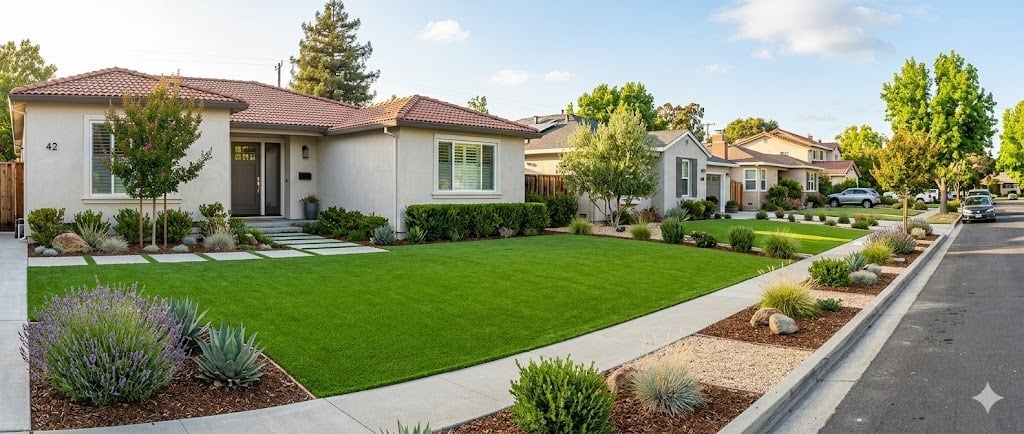
Neglecting commercial landscape maintenance produces substantial long-term costs that affect both a property’s finances and its appearance in San Jose. Property managers and business owners who defer regular upkeep frequently face higher repair bills, reduced asset value, and increased liability exposure. This article examines the financial consequences, visual impacts, and legal risks of neglected landscaping and outlines sustainable approaches to reduce costs and preserve property value. Understanding these outcomes enables managers to protect their investments and maintain professional appeal.
Financial Implications
The financial effects of neglected commercial landscaping are significant and varied. Regular maintenance prevents escalating repair and replacement expenses. When landscapes decline, operational costs rise, and revenue opportunities diminish. Property managers who allocate resources to routine upkeep can avoid the higher costs that result from deferred maintenance.
Beyond obvious repair bills, deferred maintenance frequently forces property teams into reactive spending that is less predictable and often more expensive. For example, replacing mature plants or correcting compacted soil and irrigation failures typically requires specialist crews and longer downtime than routine pruning or seasonal fertilization. Forecasting and budgeting for regular care smooths cash flow and prevents sudden capital outlays that can disrupt other property priorities.
How Does Neglect Increase Landscape Repair and Replacement Costs?
Deferred landscaping care increases repair and replacement costs over time. As plants and turf deteriorate, restoration requires more extensive work and higher material expenses than routine upkeep. A well-maintained landscape supports curb appeal and property value; a neglected site can depress value and trigger costly restorative projects. Prioritizing maintenance reduces the likelihood of expensive repairs.
Common restorative tasks after prolonged neglect include large-scale replanting, soil remediation (including aeration and organic amendments), irrigation retrofit or replacement, and removal of invasive species. Each of these tasks often requires greater labor input and specialized materials. Planning smaller, regular interventions reduces the frequency and scope of these large restoration projects.
What Are the Hidden Expenses Associated with Poor Landscape Management?
Poor landscape management often generates hidden expenses beyond visible repairs. These include more frequent corrective maintenance, missed revenue due to reduced attractiveness, and higher water and utility bills from inefficient irrigation. Recognizing these indirect costs clarifies the financial case for regular, planned landscaping services.
Hidden costs also appear in soft metrics that influence the bottom line: lower tenant retention, longer vacancy periods, additional marketing spend to offset poor curb appeal, and higher staff time spent managing complaints or arranging emergency fixes. For commercial properties that rely on customer footfall or tenant perception—such as offices, retail parks, and hospitality sites—these soft costs can add up quickly and persist over time.
Aesthetic Impacts
The visual condition of a landscape directly influences a property’s appeal. Well-maintained grounds enhance curb appeal and support tenant and customer attraction. Conversely, neglected landscaping creates a negative impression, reducing property value and harming brand perception. Maintaining a professional exterior, therefore, supports customer satisfaction and retention.
First impressions matter: prospective tenants and customers often form opinions about a property within seconds of arrival. A tidy, thoughtfully designed exterior signals competent management and attention to detail, while unkempt grounds may suggest neglect across other property systems. Investing in appearance can therefore serve as both a marketing asset and a maintenance responsibility.
Potential Liabilities
Neglected landscaping can create safety hazards and regulatory exposure. Overgrown vegetation and poorly maintained grounds increase the risk of slips, trips, and other injuries. Non-compliance with local landscaping or safety regulations can also lead to fines or legal action. Regular maintenance mitigates these risks and helps ensure a safe environment for visitors and staff.
Liability exposure can arise from a variety of conditions: obstructed sightlines at parking areas, blocked walkways, accumulation of leaf litter near drains, and uneven surfaces where turf or paving has degraded. Routine inspections that document condition, corrective actions, and schedules are among the practical measures that reduce legal and insurance risk while demonstrating due diligence in property management.
What Are the Financial Risks of Deferred Commercial Landscaping Maintenance in San Jose?
In San Jose, the financial risks of deferred landscaping are amplified by regional climate variability. As conditions change, deferred maintenance can lead to rapid cost escalation and operational disruption. These added expenses can affect short-term budgets and long-term financial health. Property managers should address maintenance proactively to avoid such risks.
Seasonal extremes, drought advisories, and sudden heat events can stress plants and irrigation systems. When properties have not been maintained, a single adverse season may trigger widespread plant loss or system failure. That concentrated impact often requires urgent capital spending and can coincide with other building maintenance demands, compounding financial pressure.
How Do Sustainable Landscaping Solutions Mitigate Long-Term Maintenance Costs?
Sustainable landscaping reduces long-term maintenance demands. Using drought-resistant turf and durable materials lowers the frequency of interventions and decreases water consumption. These measures reduce operating costs and support environmental objectives, making them a practical option for commercial properties.
Practical sustainable measures include selecting native or drought-tolerant plant palettes, installing efficient irrigation controllers and zoning, mulching to retain moisture and suppress weeds, and using permeable paving to manage stormwater. Combined, these strategies simplify ongoing care, reduce water and chemical inputs, and extend the service intervals between major interventions.
Research emphasizes the need for clear criteria to guide cost-effective and sustainable landscape maintenance practices.
Criteria for Cost-Effective Sustainable Landscape Maintenance
Maintaining urban public parks requires substantial, ongoing effort to preserve their function and purpose. This mixed-method study examines cost-efficiency and strategies to address the issue. Phase one produced an expert-verified checklist of maintenance procedures, defining themes, parameters, and attributes for cost-effective upkeep. Phase two comprised semi-structured interviews with selected professionals and practitioners, focusing on current maintenance practices and operational costs. The study identifies six components that link effective maintenance with cost-efficiency.
Criteria for Sustainable Landscape Maintenance: Addressing Cost Implication, Z Ayob, 2022
What Are the Benefits of Eco-Friendly Turf and Irrigation Systems?
Eco-friendly turf and irrigation systems deliver measurable benefits for commercial sites. They reduce water use, lower routine maintenance requirements, and provide environmental advantages. For example, synthetic turf can eliminate the need for mowing and chemical treatments, resulting in long-term cost savings. Property managers should evaluate these options to reduce recurring expenses while maintaining a professional appearance.
Efficient irrigation systems—such as drip irrigation for planting beds and properly zoned sprinklers for turf—reduce water waste and the labor required for manual adjustments. Modern controllers and sensors enable schedules that respond to weather and soil moisture conditions, avoiding unnecessary runtimes and reducing utility bills. When combined with plant choices that match site conditions, these systems support both performance and predictability.
How Can Sustainable Practices Enhance Commercial Property Value?
Sustainable landscaping can increase commercial property value in multiple ways. Durable materials and effective stormwater management improve market appeal. Properties that prioritize sustainability also attract environmentally conscious tenants and customers, which can enhance occupancy and tenant satisfaction. Recognizing sustainability as a value driver helps managers improve overall asset performance.
Marketing a property as low-maintenance and environmentally responsible can reduce vacancy periods and support rent premiums in competitive markets. Additionally, properties that demonstrate lower ongoing operating costs through reduced water and maintenance demands are more attractive to cost-sensitive tenants and investors focused on long-term total cost of ownership.
What Are the Recommended Maintenance Scheduling and Best Practices for San Jose Commercial Properties?
To avoid costly damage, commercial landscaping in San Jose should follow a structured maintenance schedule. Recommended tasks include weekly lawn care, monthly irrigation system checks, and seasonal preparations for changing weather. Adhering to these practices helps ensure landscapes remain healthy and visually appealing throughout the year.
Creating a documented schedule that assigns specific tasks to each visit helps contractors deliver consistent results. Regular inspections should cover irrigation checks, plant health assessments, soil moisture tests, debris removal, and safety hazards. A simple log of actions taken, issues found, and follow-up items produces an audit trail and helps prioritize capital work before it becomes urgent.
How Often Should Commercial Landscaping Be Maintained to Avoid Costly Damage?
Commercial landscaping should be serviced at least once a week to prevent costly deterioration. Regular visits allow teams to identify and address issues early, keeping the landscape in optimal condition. Establishing a consistent schedule supports long-term health and appearance.
Depending on site size and use, some locations benefit from more frequent attention (twice-weekly or specific seasonal intensifications). High-traffic entrances, busy sidewalks, and commercial plazas typically require closer attention to maintain appearance and safety. Tailoring frequency to use case improves efficiency and reduces wasteful visits where less intensive care suffices.
What Are Effective Maintenance Contracts and Service Options Available?
Effective maintenance contracts provide predictable care and budget control. Many providers offer tailored packages that include routine maintenance, seasonal clean-ups, and emergency response. Selecting a contract that aligns with site needs and budget helps ensure consistent, high-quality service.
Good contracts typically define scope (tasks and frequencies), performance standards (e.g., weed thresholds, pruning heights), emergency response times, and clear pricing structures. Including key performance indicators (KPIs) such as on-time visits, documented inspections, and corrective action turnaround helps measure value and holds providers accountable.
Which Product Solutions Does Heavenly Greens Offer for Cost-Effective Commercial Landscape Maintenance?
Heavenly Greens offers a range of product solutions to support cost-effective commercial maintenance. Their eco-friendly turf options present a sustainable alternative to natural grass, reducing maintenance demands and water use. Heavenly Greens also supplies irrigation components and maintenance tools to help property managers care for landscapes efficiently.
Product categories available from suppliers like Heavenly Greens commonly include synthetic turf systems, irrigation controllers and valves, drip irrigation components for planting beds, mulches and mulch alternatives, and hardscape edge materials that reduce labor over time. Choosing complementary products that reduce routine labor often provides faster payback through lower operating costs.
How Do Heavenly Greens’ Sustainable Turf and Irrigation Products Support Long-Term Savings?
Heavenly Greens’ turf and irrigation products are engineered to reduce ongoing costs. By lowering maintenance frequency and conserving water, these solutions provide a viable financial option for commercial properties. Investing in such products can produce measurable savings over time.
When selecting products, consider lifecycle costs rather than only the upfront price. Durable materials and reliable irrigation components reduce replacement frequency and service interruptions. In many cases, the combination of lower labor inputs, reduced water use, and fewer chemical treatments yields a smoother operating budget over multiple years.
Where Can Property Managers Purchase Quality Landscaping Products in San Jose?
Property managers in San Jose can source quality landscaping products from local suppliers and online retailers. Comparing product specifications and prices helps secure the best value for each project. Procuring durable, high-quality materials supports long-term performance and cost control.
When choosing a supplier, evaluate installation support, warranty provisions, and local references. Local installers familiar with San Jose’s microclimates and municipal requirements can help select plant palettes and product specifications that minimize surprises and ensure compliance with local ordinances or water-use guidelines.
What Do Case Studies and Testimonials Reveal About Cost Savings from Proper Landscaping Maintenance?
Case studies and testimonials from San Jose organizations demonstrate the financial benefits of regular landscaping care. Many report improved customer satisfaction, higher property values, and measurable cost reductions after investing in proper maintenance. These examples illustrate the practical returns of prioritizing landscape upkeep.
Typical qualitative outcomes reported in testimonials include faster leasing cycles, reduced tenant turnover, fewer emergency maintenance calls, and clearer budgeting for ongoing landscape expenses. Together, these operational improvements contribute to a higher net operating income over time when maintenance is treated as an investment rather than a discretionary cost.
How Have San Jose Businesses Benefited Financially from Regular Maintenance?
San Jose businesses that invest in consistent landscaping report clear financial benefits. Enhanced customer satisfaction often increases retention, well-kept properties attract more clients, and improved curb appeal supports higher property valuations. Regular maintenance, therefore, represents a sound financial decision.
In practice, property managers note that a well-presented exterior can reduce the need for reactive repairs and the frequency of tenant complaints. This reduces administrative overhead and enables on-site teams to prioritize preventive tasks that extend the lifespan of landscape assets.
What Customer Feedback Highlights the Value of Sustainable Landscaping Services?
Customer feedback regularly underscores the advantages of sustainable landscaping. Clients note reduced environmental impact, lower maintenance expenses, and improved operational efficiency. Positive experiences with eco-friendly solutions also support long-term vendor relationships and property managers’ satisfaction.
Clients frequently highlight the ease of working with suppliers that provide clear maintenance plans, documented water-saving strategies, and practical guidance on seasonal adjustments. This combination of product performance and service clarity drives confidence and repeat business.
What Are the Common Questions About Commercial Landscaping Maintenance Costs in San Jose?
Property managers commonly ask about the costs of neglect, appropriate maintenance frequency, and available sustainable options. Clear answers on these topics enable informed budgeting and effective maintenance planning. Addressing these questions supports better property outcomes.
What Happens If Commercial Landscaping Is Neglected?
If commercial landscaping is neglected, managers can expect decreased curb appeal, higher corrective maintenance costs, and lost revenue opportunities. Continued neglect often leads to a decline in property value, making routine care essential for asset preservation.
Neglect can also create cumulative problems that are more difficult to reverse: soil degradation from compaction, pest or disease outbreaks that spread between plantings, and irreversible loss of mature specimen plants that took years to establish. Early intervention is therefore more cost-effective than delayed restoration.
How Can Maintenance Contracts Help Manage Budget and Service Quality?
Maintenance contracts help manage budgets and maintain service standards by defining scope, frequency, and costs. A clear agreement with a landscaping provider ensures predictable service delivery and helps control unexpected expenses. This structured approach supports consistent, high-quality landscape care.
Contracts that include scheduled performance reviews, transparent change-order processes, and clear terms for additional work reduce disputes and keep projects on budget. When both parties agree on service expectations and documentation, it is easier to measure value and make adjustments as site requirements evolve.
To learn more about how Heavenly Greens can assist with your commercial landscaping needs, visit our website.
For any questions or to schedule a consultation, contact us today.
Frequently Asked Questions
What are the signs that commercial landscaping maintenance is needed?
Signs that maintenance is required include overgrown plants, dead or yellowing turf, and visible weed growth. Malfunctioning irrigation or drainage problems are also clear indicators. Bare patches, unkempt beds, and a general decline in visual quality signal the need for immediate inspection and corrective action.
Additionally, repeated complaints from tenants or customers about appearance or safety, increased pest activity, or higher-than-normal water bills can signal underlying maintenance failures that need investigation. Proactive monitoring helps catch these signs early.
How can property managers choose the right landscaping service provider?
Selecting a provider requires checking reputation, client reviews, and commercial experience. Evaluate the provider’s service range, maintenance frequency, and sustainability practices. Request detailed quotes and compare them, and ask for references or case studies to verify reliability and quality.
Ask prospective providers for a sample maintenance schedule, proof of insurance, relevant certifications, and examples of past projects similar to your site. A trial period or phased approach can also help validate service quality before committing to a long-term contract.
What are the environmental benefits of sustainable landscaping practices?
Sustainable landscaping reduces water consumption, supports biodiversity, and improves soil health. Using native and drought-tolerant species lowers irrigation needs and maintenance. These practices also aid stormwater management, reduce pollution, and provide habitats for local wildlife, contributing to a healthier ecosystem and a lower carbon footprint.
Over time, reducing chemical inputs and increasing soil organic matter creates more resilient planting zones that require less intervention, further lowering long-term operational demands and making the site more sustainable overall.
How can seasonal changes affect landscaping maintenance needs?
Seasonal variation dictates specific tasks: spring typically requires planting, fertilizing, and mulching; summer increases calls for increased watering and pest control; autumn focuses on leaf removal and winter preparation; winter work includes frost protection and drainage checks. Planning for seasonal needs prevents damage and supports year-round landscape health.
Creating a seasonal calendar and scheduling tasks in advance allows teams to budget labor and materials efficiently while ensuring timely responses to weather-related needs. This planning reduces last-minute emergency calls and aligns maintenance with peak operational windows.
What role does irrigation play in commercial landscaping maintenance?
Irrigation is central to plant health and landscape performance. Efficient systems reduce water waste and lower utility costs. Regular inspections prevent leaks and maintain optimal function. Integrating smart irrigation technology further improves water efficiency by responding to weather and soil moisture conditions, which is especially valuable in areas with variable climates like San Jose.
Simple measures—such as seasonal schedule adjustments, sensor calibration, and periodic pressure checks—help keep systems running efficiently and prevent the hidden water loss that inflates operating budgets.
What are the long-term benefits of investing in professional landscaping services?
Professional landscaping delivers long-term benefits such as higher property value, improved visual appeal, and increased customer satisfaction. Experienced providers identify issues early and prevent costly repairs. Over time, these investments produce savings and create a more sustainable, attractive environment that supports business objectives.
Working with professionals also provides access to ongoing technical advice, warranty support for installed products, and structured plans for phased improvements that spread capital investment while delivering progressive performance gains.
Conclusion
Neglecting commercial landscaping maintenance imposes tangible long-term costs and undermines property appeal. Prioritizing regular upkeep prevents escalating repair expenses, enhances aesthetic value, and reduces liability risk. Adopting sustainable landscaping practices further lowers operating costs and supports environmental goals. Explore our eco-friendly products to improve your landscape and realize long-term savings.
Proactive maintenance—backed by clear schedules, performance measures, and sustainable choices—protects asset value and creates operational predictability. For property managers and business owners in San Jose, treating landscaping as a strategic element of asset management yields both financial and reputational returns over the long term.


