
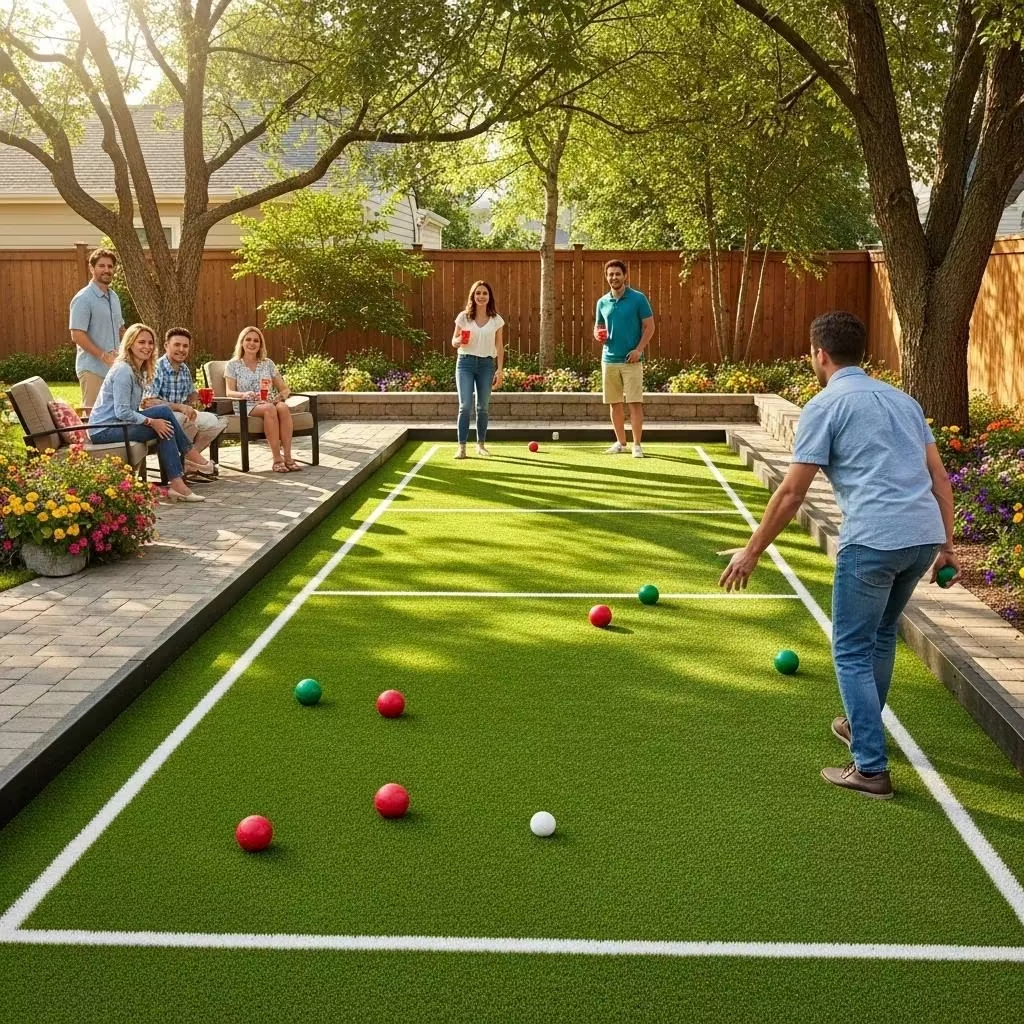
Turn your yard into a go-to gathering spot with an artificial turf bocce court. This practical guide walks you through planning, materials, installation and upkeep so your court looks great and plays reliably for years. You’ll find official dimensions, material recommendations, a clear installation sequence, and the everyday benefits of synthetic turf—from lower maintenance to better year-round play. Whether you want a compact residential court or a full-sized competitive surface, this guide helps you make the right choices for durability, aesthetics and ease of care.
What Are the Official and Recreational Dimensions for Artificial Turf Bocce Ball Courts?
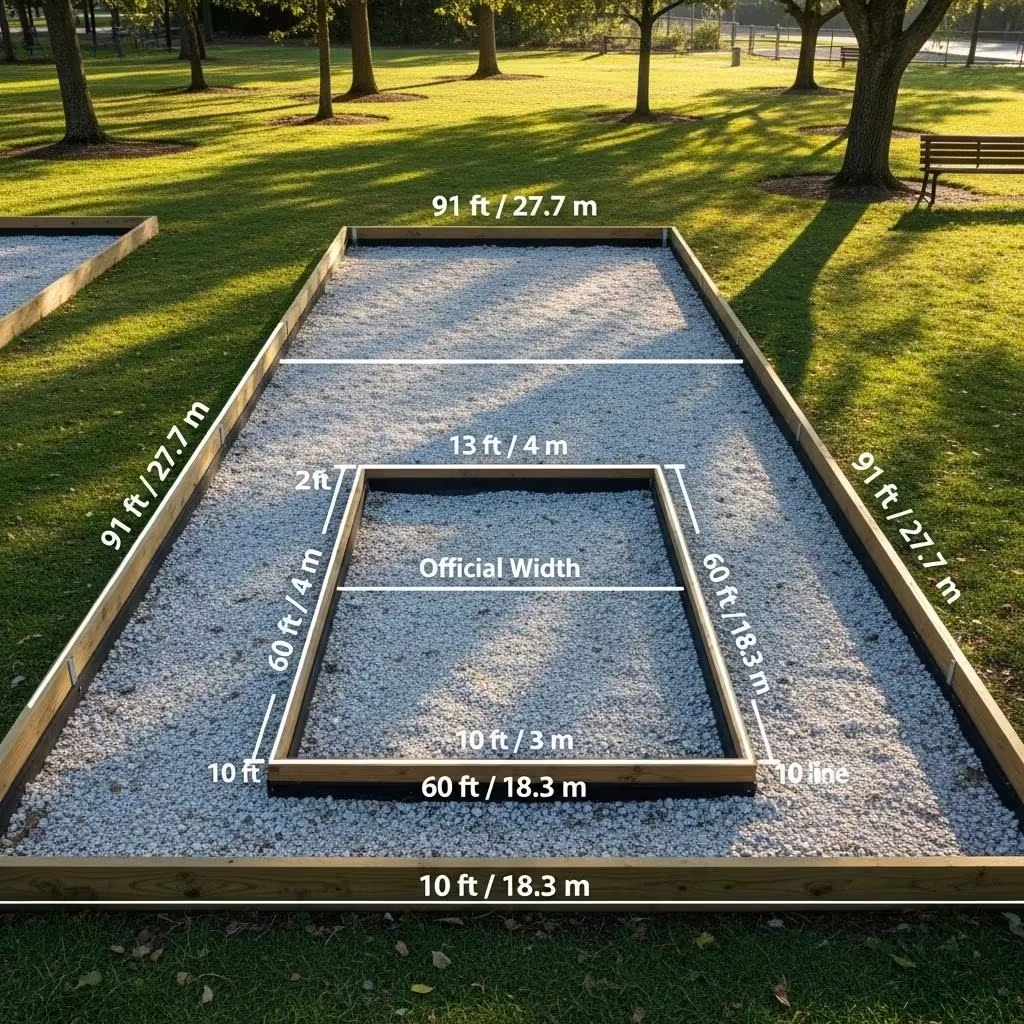
Court size matters for how the game feels and how much space you’ll need. Official bocce courts are typically 76 feet long and 10 feet wide. Recreational courts are often shorter and narrower to fit backyards or multi-use landscapes. When planning, also allow room around the court for players, seating and circulation so games feel comfortable and spectators can watch without crowding the playing surface.
How Do Bocce Court Dimensions Affect Design and Playability?
The court’s length and width change how shots read and how strategies develop. Standard courts give players full range for rolling, banking and strategic positioning. Shorter courts tighten shot selection and can make play feel faster and more tactical. Choose dimensions that match how you plan to use the space—casual backyard fun, frequent neighborhood play, or formal competition.
What Are the Space Requirements for Residential vs. Commercial Bocce Courts?
Residential courts can be compact to fit typical backyards; we generally recommend at least 60 feet long by 8 feet wide for a comfortable neighborhood-style layout. Commercial or tournament courts should stick to the official 76-by-10-foot size to meet competitive standards and host larger groups. Remember to factor in access paths, seating, and any landscaping or lighting you plan to add.
Which Materials Are Best for Artificial Turf Bocce Court Installation?
Choosing the right materials makes the difference between a court that performs and one that causes headaches. A quality installation includes the turf itself, a properly constructed base, and a well-designed drainage system. Each component contributes to surface consistency, longevity and playability.
What Are the Features of Heavenly Greens’ Bocce – Oyster and Bocce – Green Turf Products?
Heavenly Greens offers bocce-specific turf options—Bocce – Oyster and Bocce – Green—designed to look like natural grass while standing up to play. Both are UV-stabilized to resist fading, built for foot traffic, and textured for a natural appearance. They’re engineered for consistent ball roll and low maintenance in residential and commercial settings.
Beyond looks and durability, the material choice influences surface temperature—an increasingly important factor in modern turf installations.
Synthetic Turf Materials & Thermal Performance
Studies show that turf systems using styrene-butadiene rubber infill or an added shock pad can run hotter at the surface. Systems using thermoplastic elastomer infill, cooler-climate fibers or technologies like HydroChill tend to have lower surface temperatures.
The effect of synthetic grass sports surfaces on the thermal environment: A systematic review, B Peterson, 2024
How Do Base Layers and Drainage Systems Ensure Court Durability?
A stable, well-compacted base—usually several inches of crushed stone or gravel—keeps the court flat and prevents settlement. Properly graded sub-base and a designed drainage system stop water from pooling, which protects the turf and preserves playability. Together, a solid base and clear drainage extend the life of your court and reduce long-term maintenance.
Research also highlights how considered drainage design is essential for synthetic sports fields to handle storm events and everyday runoff.
Synthetic Pitch Drainage Design
Research using synthetic rainfall scenarios and established design methods (for example, the Wallingford procedure) shows the importance of accounting for a range of storm intensities when designing drainage for sports pitches.
Drainage behaviour of sport pitches—findings from a research study, P Fleming, 2016
What Is the Step-by-Step Process for Installing an Artificial Turf Bocce Ball Court?
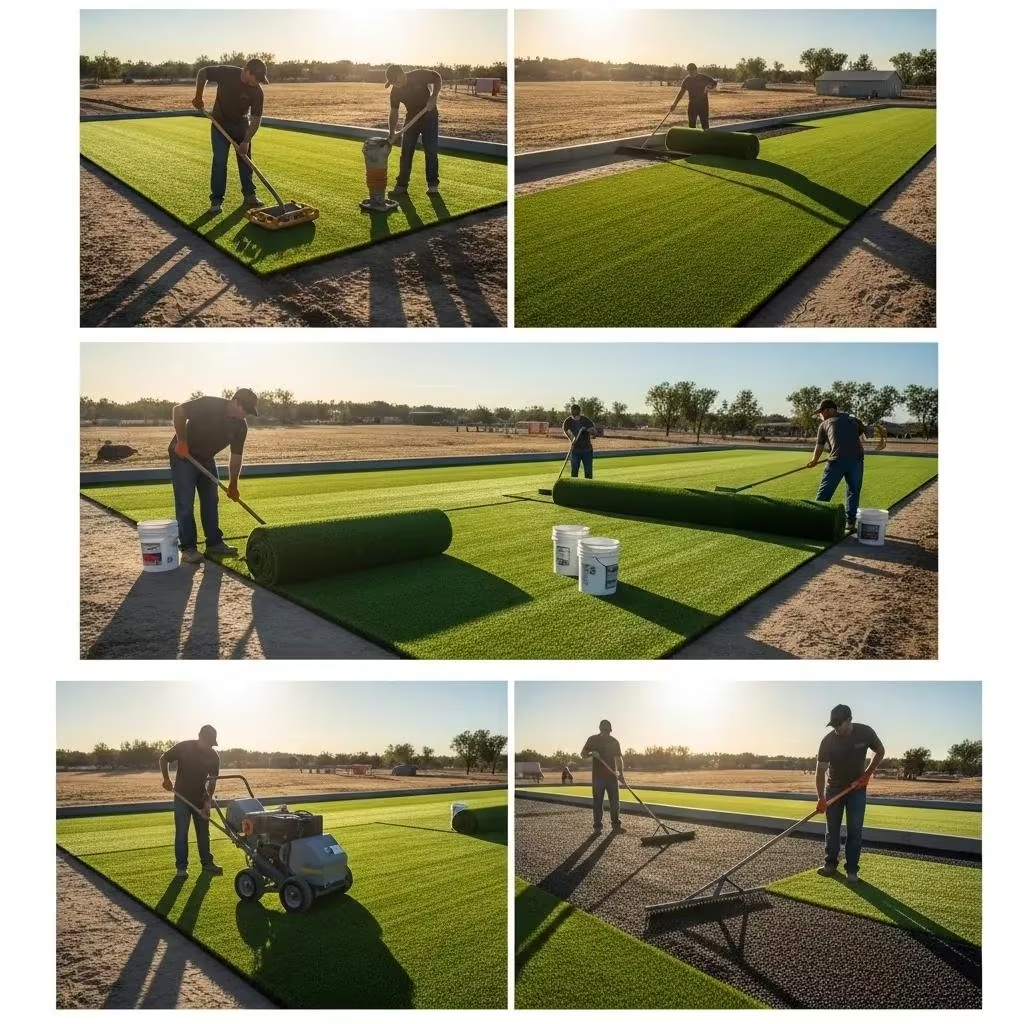
Installation follows a clear sequence: prepare the site, build and compact the base, install drainage, lay and seam the turf, add infill, and finish edges and accessories. Each step matters to ensure a level, durable surface that plays well season after season.
How to Prepare the Site and Build a Stable Base Layer?
Start by clearing vegetation and debris, then grade the area for proper slope and drainage. Install several inches of crushed stone or gravel, compacting in lifts to create a firm, even foundation. Accurate grading and compaction prevent dips and low spots that affect ball roll and cause long-term problems.
What Are the Best Practices for Turf Laying, Seaming, and Infill Application?
Lay turf with attention to grain direction and seam placement so the court looks seamless and performs consistently. Use manufacturer-recommended seaming tape and adhesives, and secure perimeter edges. Apply infill—commonly silica sand or a sand/rubber mix—according to product specs to stabilize fibers and tune ball roll. Finish with brushing and final checks for smoothness and seam integrity.
The right infill choice and correct application are key to turf stability and long-term performance, as noted in artificial pitch literature.
Artificial Pitch Infill & Fiber Systems
Infill stabilizes the fibres and influences surface performance. Different fibre shapes and infill mixes change how a surface feels and responds during play—important considerations when specifying a bocce court system.
Performance of sports surfaces, 2003
What Are the Benefits of Choosing Artificial Turf for Bocce Ball Courts?
Synthetic turf delivers consistent play, lower maintenance and all-season use—advantages that make it a smart choice for backyard courts and public facilities alike.
How Does Artificial Turf Provide Low Maintenance and Year-Round Playability?
Artificial turf removes routine tasks like mowing, watering and fertilizing while offering a uniform surface in wet or dry conditions. That means fewer interruptions to play and less time spent on upkeep. With correct installation and simple seasonal care, the surface stays playable year-round.
What Environmental and Aesthetic Advantages Does Synthetic Bocce Turf Offer?
Choosing synthetic turf can significantly reduce water use and eliminate the need for pesticides and fertilizers. Visually, a well-chosen turf keeps its color and texture through the seasons, creating an inviting outdoor space that complements landscaping and backyard design.
How Should You Maintain an Artificial Turf Bocce Ball Court for Longevity?
Routine care keeps your court performing—and extends its lifespan. Regular inspections and light maintenance prevent small issues from becoming big repairs.
What Routine Cleaning and Infill Management Practices Are Recommended?
Keep the surface free of leaves and debris with a leaf blower or soft broom. Check infill levels periodically and top up as needed to maintain consistent ball roll and fiber support. Address any seam or edge concerns early to avoid more extensive fixes later.
How to Inspect and Maintain Drainage Systems to Prevent Water Pooling?
Inspect drainage channels and outlet points after storms and during seasonal maintenance. Clear blockages and ensure the surrounding grading directs water away from the court. Prompt attention to drainage issues prevents standing water and protects the turf backing and base.
What Are the Cost Considerations for DIY vs. Professional Bocce Court Installation?
Budgeting for a bocce court depends on size, materials and site complexity. DIY can lower labor costs but requires experience to get grading, compaction and seaming right. Professional installation adds expense but brings warranty-backed work, correct material choices and long-term performance.
How Do Court Size, Materials, and Site Preparation Affect Installation Costs?
Material quantities scale with court size, and higher-grade turf or specialty infill raises the price. Site factors—like grading, rock removal or complicated drainage—add labor and material costs. Include these variables when estimating your project to avoid surprises.
What Are the Advantages of Hiring Heavenly Greens for Professional Installation?
Heavenly Greens brings decades of turf installation experience, so your court is built to perform from day one. Our teams handle the technical steps—grading, base compaction, drainage and precision seaming—so you get a long-lasting surface and predictable results without the learning curve of a DIY build.
Frequently Asked Questions
What is the average lifespan of an artificial turf bocce ball court?
With quality materials and routine care, a properly installed artificial turf bocce court typically lasts 10–15 years. Lifespan varies with product quality, climate, usage frequency and how well the court is maintained. Regular cleaning and timely infill top-ups help maximize longevity.
Can artificial turf bocce courts be installed on uneven ground?
Yes—uneven ground can be prepared for a turf court, but it requires extra site work. That usually means grading, adding and compacting base material to create a flat, stable foundation and addressing drainage. For best results on challenging terrain, work with an installer experienced in grading and base construction.
Are there any specific regulations for bocce ball court installation?
Residential courts don’t typically have strict technical regulations, but competitive courts should meet official dimensions (76 feet by 10 feet). Also check local zoning, setback rules and homeowners association guidelines before installing a court to ensure compliance with any site or neighborhood requirements.
What are the best practices for winterizing an artificial turf bocce ball court?
To protect the surface in winter, remove debris and clear heavy snow when practical to avoid compaction and moisture buildup. Verify drainage is clear before freeze-thaw cycles and consider a breathable cover if extended snow or ice is likely. Check the court periodically through winter to catch any issues early.
How does artificial turf impact the playing experience compared to natural grass?
Artificial turf provides a consistent, reliable roll and fewer surface inconsistencies than natural grass, especially after rain. It reduces mud and soggy spots, making play more predictable and minimizing weather-related cancellations. Many players appreciate the steady ball behavior and lower maintenance of synthetic surfaces.
What are the environmental impacts of installing an artificial turf bocce ball court?
Artificial turf reduces water use and removes the need for chemical treatments, which can be positive environmental outcomes. On the other hand, turf production and disposal involve synthetic materials, which raise recycling and lifecycle considerations. Selecting high-quality, recyclable products and planning for end-of-life disposal can reduce environmental trade-offs.
Can I customize the design of my artificial turf bocce ball court?
Absolutely. Courts can be customized with different turf colors, border materials, logos, or layout variations to fit your yard and style. Infill choices and edge treatments also influence look and performance. Work with a professional to make sure custom elements don’t compromise playability or drainage.
Conclusion
An artificial turf bocce court is a low-maintenance, durable way to add lasting value and entertainment to your outdoor space. By following the right design, material and installation choices—and keeping up with simple maintenance—you’ll enjoy consistent play and attractive results for years. Ready to explore turf options or schedule a professional install? Discover our premium bocce turf and installation services to get started.


