


Paver patios are a popular choice for San Jose homeowners, offering a practical combination of appearance, function, and durability. For 2026, prioritizing sustainable materials will improve both longevity and curb appeal. This guide outlines contemporary paver patio designs, recommended eco‑friendly materials, and landscaping ideas to complement new installations. It also explains customization options available from local contractors so your vision is carried out with precision and professional care. Finally, we summarise maintenance practices that extend patio life and explain why Heavenly Greens is a trusted local option for sustainable patio solutions.
What Are the Best Sustainable Patio Materials for San Jose Homes?
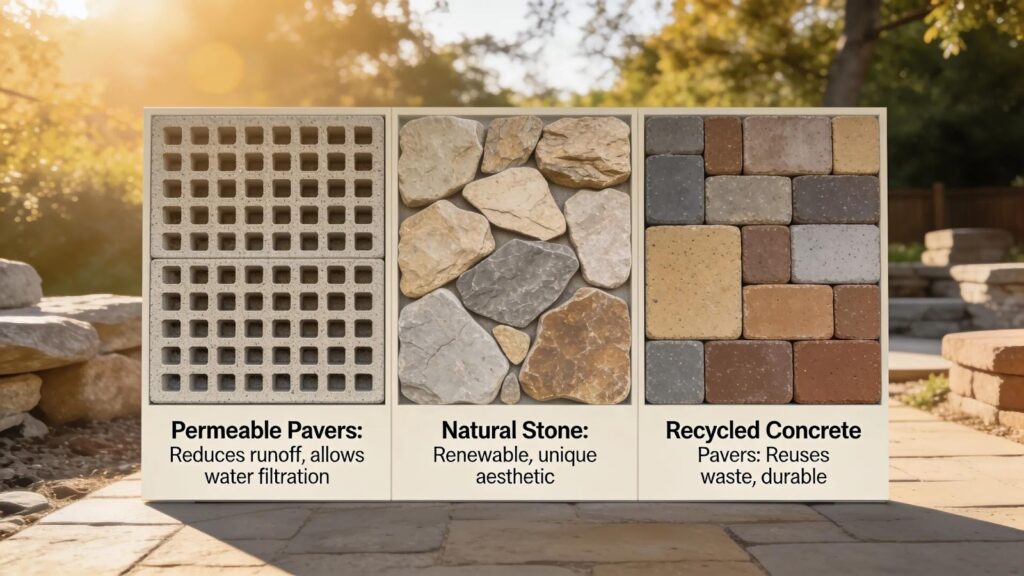
Selecting sustainable patio materials lets homeowners enhance outdoor spaces while reducing environmental impact. Top choices for paver patios include permeable pavers, natural stone, and recycled concrete pavers. Each option offers durability and visual appeal while supporting groundwater recharge and improved stormwater management.
When choosing materials, consider lifecycle factors: sourcing, installation impact, maintenance needs, and end‑of‑life reuse. Durable materials that require minimal sealing and infrequent replacement often deliver lower environmental costs over time. For visible finishes, consider textures and tones that suit your home’s architectural character: warm, earthy hues pair well with Mediterranean and craftsman homes. At the same time, cool greys and sharper lines complement modern and mid‑century styles.
Contractors can often source regionally produced pavers or reclaimed materials to reduce transport emissions and support local supply chains. Discuss material provenance, expected maintenance, and visual aging with prospective contractors, so you choose an option that aligns with sustainability and design priorities.
How Do Permeable Pavers Enhance Sustainability and Manage Water Runoff?
Permeable pavers allow water to pass through the surface, supporting natural drainage and lowering surface runoff. They promote groundwater recharge, help control stormwater, and reduce flood risk in urban areas. Homeowners gain an attractive, durable patio and a cost‑effective drainage solution that advances sustainable landscape design.
There are several permeable systems to consider: unit pavers set on an open‑graded base with joint material designed to allow water to pass through, porous concrete pavers, and grid systems that stabilize gravel. Each approach balances load capacity, cleaning needs, and appearance. When installed correctly, these systems also reduce pooled water and minimize the need for aggressive channel drains, thereby improving site aesthetics while supporting local drainage strategies.
What Custom Stone and Recycled Materials Are Available for Eco-Friendly Patios?
Eco‑friendly patio options include natural stone and recycled materials that combine visual appeal with environmental benefits. Natural stone—granite and limestone, for example—offers long‑term durability and low maintenance. Recycled concrete pavers repurpose discarded material, reduce landfill waste, and provide distinctive textures and colors. Using these materials enables homeowners to create striking, sustainable patios that elevate outdoor living.
Custom stone can be cut or laid in patterns that emphasize joints, create seating walls, or integrate steps and raised planters. Reclaimed brick and cobbles offer a lived‑in texture that works well in period properties or in designs that prioritize character over uniformity. Discuss finish options with your contractor—tumbled, sawn, or honed finishes affect both appearance and slip resistance, so choose based on use and local climate conditions.
How Do San Jose Paver Patio Contractors Customize Outdoor Paving Designs?
San Jose contractors tailor outdoor paving to each homeowner’s needs. They apply local expertise to design layouts that balance functionality and style while adhering to sustainable practices. Understanding their process helps homeowners make informed choices and achieve the best outcome for their outdoor space.
Good contractors begin with a walk‑through to assess the property’s grade, soil stability, drainage patterns, and microclimates. They can advise on permits, local code considerations, and sequencing—particularly important where patios interface with irrigation, utilities, or existing landscaping. Ask for detailed proposals that break down materials, labor, timeline, and warranty coverage so you can compare offers meaningfully.
What Is the Step-by-Step Installation Process for Custom Paver Patios?
Installation typically follows several key steps. Contractors begin with a site assessment to determine conditions and the best approach. They then excavate and install stable base layers, set the pavers in the selected pattern, and finish by applying joint sand to lock the pavers in place, with final adjustments to ensure durability and appearance.
To expand on those steps: after the site assessment, contractors mark grades and drainage slopes and coordinate any underground utility checks. Excavation depth varies with anticipated loads and base materials; heavier use areas require deeper structural sections. Base materials are compacted in lifts to create a uniform, stable bed. Edge restraints are installed to prevent spreading. Pavers are then set—either glued, dry‑laid, or mechanically locked—followed by jointing and compaction. A final sweep and compaction step settles joint sand and aligns the surface. Revisit the installation schedule with your contractor so you understand curing times and when the patio can be used safely.
How Do Contractors Integrate Smart Outdoor Lighting in Patio Designs?
Smart outdoor lighting improves safety and atmosphere. Contractors place fixtures to light pathways and seating areas, increasing visibility after dusk. Many systems offer remote control and scheduling for convenience and energy efficiency, allowing homeowners to use their patios comfortably at any hour.
Lighting approaches include recessed step lights, low‑profile bollards, integrated pathway LEDs, and uplighting for feature plants or walls. Smart systems may integrate with home automation platforms for scene setting and energy monitoring. When planning lighting, discuss glare control, fixture placement to avoid light trespass into neighboring properties, and the preferred color temperature—warm lighting generally enhances comfort in relaxation spaces. At the same time, cooler tones may suit task areas like outdoor kitchens.
What Are the Top Backyard Landscaping Ideas Complementing Paver Patios in San Jose?
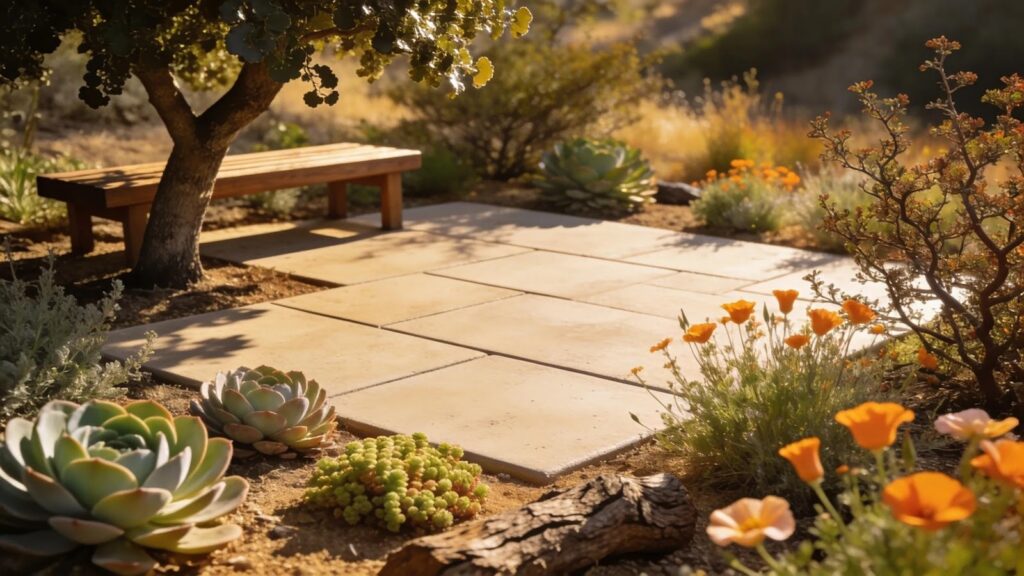
Thoughtful landscaping enhances both the appearance and functionality of a paver patio. Combining plantings, edges, and functional features creates a cohesive outdoor environment that meets practical needs and design goals.
Consider layering plant sizes to soften hard edges and create privacy without building structures. Low groundcovers and gravel bands near pavers reduce erosion and make maintenance easier. Taller shrubs or carefully placed trees provide shade, visual interest, and year‑round structure to the garden. Work with a contractor or landscape designer to ensure planting choices complement irrigation design and drainage patterns imposed by permeable or sealed surfaces.
Which Drought-Resistant Plantings Best Complement Sustainable Patios?
Drought‑tolerant plantings—succulents and native California species—pair well with sustainable patios. They conserve water, require minimal upkeep, and suit the local climate. Their range of colors and textures adds visual interest while supporting a resilient landscape.
Use a combination of low‑water shrubs, ornamental grasses, and hardy perennials to create contrast. Place small groupings of succulents near seating areas for tactile interest, and situate larger shrubs to screen wind or provide shade. Incorporate mulch and soil amendments that improve moisture retention and reduce the need for frequent irrigation. Thoughtful placement of plants can also help define separate patio zones, such as dining versus lounge areas.
How Can Outdoor Living Spaces Be Enhanced With Custom Patio Layouts?
Custom patio layouts let you define functional zones—outdoor kitchens, dining areas, and lounges—to maximize use and reflect lifestyle preferences. Mixing materials and coordinating design ensures a smooth transition between the patio and surrounding landscape, improving comfort and overall aesthetic cohesion.
Designers often use variations in pattern, color, or elevation to indicate different zones without erecting barriers. For example, a central dining space might use a tighter bond pattern for a solid, formal surface, while a lounging area could include larger format pavers with wider joints and softer planting edges. Integrating built‑in seating, planters, or fire features increases year‑round usability and reduces the need for freestanding furniture that can clutter small patios.
What Are the Latest 2026 Design Trends in Backyard Paver Patios for San Jose?
Keeping current with design trends helps create patios that are both attractive and practical. For 2026, designers increasingly combine sustainability and innovation in material choice, patterns, and layout to deliver durable, modern outdoor spaces.
Trends emphasize longevity, low maintenance, and aesthetic flexibility. Expect more mixed‑material patios that blend permeable surfaces with solid paving for high‑use zones. Neutral palettes remain popular because they provide a durable backdrop for seasonal planting and outdoor furniture updates. Designers also continue to explore modular systems that anticipate future changes in use—allowing patios to be expanded or reconfigured without full replacement.
Why Are Custom Patterns and Textures Gaining Popularity in Patio Design?
Custom patterns and textures provide visual distinction and practical benefits. Tailored surfaces can define activity areas and enhance a home’s decorative appeal, giving patios a unique, purpose‑driven character.
Popular pattern strategies include herringbone for load distribution in high‑traffic zones, radial patterns to center conversation areas, and mixed sizes to create an organic, less formal look. Textures—from sand‑blasted to brushed finishes—affect slip resistance and the way light plays across the surface, so select finishes that suit both aesthetics and safety requirements for your family’s needs.
How Does Sustainable Landscaping Influence Modern Patio Design Choices?
Sustainable landscaping guides modern patio choices toward eco‑friendly materials and practices. Homeowners favor permeable surfaces, native planting, and efficient irrigation to reduce environmental impact while creating inviting, natural outdoor spaces.
This influence is evident in how patios interact with garden ecology: corridors for pollinators, plantings that reduce the urban heat island effect, and surface choices that manage stormwater. When gardens are designed as integrated systems, patios function as part of a resilient outdoor environment rather than isolated hard surfaces. Contractors who understand these connections can propose designs that deliver both immediate beauty and longer‑term ecological benefits.
How Can Homeowners Maintain and Extend the Longevity of Their Paver Patios?
Routine maintenance preserves the performance and appearance of paver patios in San Jose’s climate. Regular care prevents common problems and extends the installation’s useful life.
Maintenance is easier with a documented schedule. Keep an eye on joint material, vegetation growth in joints, and any settling or movement after heavy rains. Early intervention prevents small issues from becoming structural problems and reduces long‑term repair costs. Establish a seasonal checklist with your contractor for special tasks like joint replenishment, resealing, or power washing at appropriate intervals.
What Maintenance Practices Ensure Durable Patio Performance in San Jose’s Climate?
Key maintenance steps include regular cleaning to remove debris, replenishing joint sand to prevent shifting, and sealing pavers to increase resistance to wear. Adjusting care by season helps protect the patio and reduce the need for major repairs.
More specifically: sweep regularly to prevent organic buildup that encourages stains and moss; clear leaves and debris from joints; after winter or heavy storms, inspect for settlement and relevel affected pavers early; and schedule resealing on a multi‑year basis if a sealer was used. Keep drainage channels clear and watch for signs of soil erosion at edges. A modest investment in preventive maintenance reliably extends the usable life of most paver systems.
Which Products Are Recommended for Cleaning and Protecting Sustainable Pavers?
Choose eco‑friendly cleaners formulated for hardscapes and sealers that improve water resistance. Applying these products on a regular schedule helps maintain appearance and extend the life of paver patios.
When selecting products, prefer pH‑balanced cleaners without harsh solvents or quaternary ammonium compounds that can harm surrounding plantings and soil life. For sealed pavers, choose breathable sealers that allow moisture exchange while enhancing stain resistance. Test any product on a small, inconspicuous area first, and follow the manufacturer’s instructions for dilution and application to preserve both color and performance.
What Commercial Property Patio Solutions Are Available for San Jose Businesses?
San Jose businesses can benefit from paver patios that enhance outdoor space, attract customers, and provide functional areas for dining or leisure.
Commercial projects need to focus on durability, predictable maintenance, and accessibility. Coordinate with contractors on durable joint systems, anti‑slip finishes, and materials that withstand frequent cleaning and heavy foot traffic. Consider how the patio integrates with signage, outdoor seating, and service routes so operations run smoothly and the exterior contributes to a positive customer experience.
How Do Commercial Paver Patios Balance Durability and Aesthetic Appeal?
Commercial patios must combine resilience with visual appeal. Businesses select paver systems that resist fading, cracking, and shifting to withstand heavy foot traffic while keeping outdoor areas attractive and functional.
Specifying industrial‑grade base sections, stronger edge restraints, and narrow joint systems where appropriate reduces the need for maintenance. Design choices that hide wear patterns—such as mixed‑size units or subtle texture contrasts—help facilities maintain a fresh appearance between scheduled refurbishments. Contractors experienced with commercial installations can recommend warranties and maintenance plans that fit a property’s operational rhythm.
What Sustainable Installation Services Do Local Contractors Offer for Businesses?
Local contractors deliver sustainable installation services for commercial properties, including site assessments, material guidance, and eco‑friendly installation practices that align with a business’s sustainability goals. These approaches reduce environmental impact while creating practical, welcoming outdoor areas for customers and staff.
Businesses may also benefit from phased installation plans that limit disruption, clear staging for deliveries to reduce on‑site waste, and recycling strategies for removed materials. Contractors can often coordinate with landscape architects and city planners to meet local codes and support green building objectives.
How Much Does Custom Paver Patio Installation Typically Cost in San Jose?
Knowing the cost factors for custom paver patio installation helps homeowners budget effectively. Consider these elements when planning a project that meets design goals while staying within financial constraints.
Costs vary because projects differ in scope, but the main drivers remain consistent. Preparing a site with difficult access, complex grading, or poor soils increases labor and material requirements. Higher‑end materials and intricate patterns require more skilled labor and tighter tolerances. Include contingencies for unexpected discoveries during excavation and for any required permits or inspections that may be specific to your neighborhood.
What Factors Influence Pricing for Sustainable Patio Projects?
Pricing depends on material choice, design complexity, and site preparation. Natural stone typically costs more than standard concrete, and intricate patterns require more labor. Homeowners should also factor in any required permits or inspections when estimating total cost.
Additional cost items to consider include drainage improvements, retaining walls or steps, integrated lighting, and built‑in features like fire pits or kitchen elements. Discuss phasing options with contractors to spread costs over time if a full build‑out exceeds budget in a single season.
How Can Homeowners Budget Effectively for High-Quality Patio Design?
Develop a detailed budget that lists expected costs and includes a contingency for unforeseen expenses. Obtain quotes from multiple contractors to compare services and pricing, and use that information to make informed decisions and keep the project on budget.
When comparing quotes, request itemized proposals that separate material costs, labor, preparatory work, and allowances for site protection and clean‑up. Ask contractors for references and photographs of completed projects that match your intended scale and style so you can evaluate both quality and value. Financing options, staged builds, or prioritizing core components first are practical ways to manage a larger project without compromising on quality.
Why Choose Heavenly Greens for Sustainable Patio Design in San Jose?
Heavenly Greens focuses on sustainable materials and environmentally responsible practices to deliver patio designs suited to local conditions. Their emphasis on quality and local expertise ensures homeowners receive tailored service that meets their landscaping needs.
The company’s local experience can be especially useful for projects that must navigate neighborhood guidelines, slope challenges, or climate‑specific concerns. A contractor familiar with San Jose microclimates and municipal processes reduces the learning curve and helps anticipate site‑specific issues from design through completion.
What Unique Value Propositions Does Heavenly Greens Offer Local Homeowners?
Heavenly Greens prioritizes sustainable materials and proven installation practices to deliver long‑lasting results. Their local knowledge and commitment to quality provide personalized solutions that reflect homeowners’ preferences and environmental goals.
They often pair design support with practical construction planning, including phased approaches, material sourcing that minimizes transport, and maintenance advice tailored to local conditions. These combined services help homeowners balance initial investment with longer‑term performance and aesthetic objectives.
How Do Recent 2026 Case Studies Demonstrate Heavenly Greens’ Patio Excellence?
Recent 2026 case studies illustrate Heavenly Greens’ approach to sustainable patio design. Before‑and‑after examples demonstrate the impact of their installations, and customer feedback highlights satisfaction with quality, innovation, and service—supporting the company’s reputation in the area.
Case studies typically describe site constraints, material decisions, and the construction sequence so prospective clients can see how similar problems were solved. Reviewing multiple examples gives a realistic sense of timelines, finishes, and the kinds of maintenance commitments that follow installation.
Frequently Asked Questions
What Are the Benefits of Using Native Plants in Patio Landscaping?
Native plants thrive in the local climate, require less water and maintenance than non‑native species, and support local ecosystems. They attract pollinators and reduce the need for chemical treatments, making them a sustainable and attractive choice for patio landscaping.
Additionally, native plantings often establish quickly with minimal irrigation once established, and provide seasonal interest with relatively low input. When paired with appropriate mulches and soil amendments, native gardens can become low‑maintenance, high‑value complements to paved areas.
How Can I Find Experienced Contractors for Paver Patio Installation?
Start by asking friends, family, and local homeowner associations for recommendations. Check online review sites such as Yelp or Angie’s List, review contractors’ portfolios, interview candidates, and verify licensing and insurance to ensure they meet local standards.
Look for contractors who provide written references, detailed portfolios that show similar projects, and clear communication about timelines and warranties. A pre‑installation meeting to discuss design intent, materials, and site logistics helps clarify expectations on both sides.
What Common Mistakes Should Homeowners Avoid When Designing Patios?
Avoid overlooking site drainage and sunlight patterns, neglecting the space’s intended function, choosing materials for looks alone without considering durability, or failing to integrate the patio with surrounding landscaping. Careful planning and expert consultation prevent these common errors.
Other mistakes include underestimating furniture sizes and circulation needs, failing to plan access for maintenance equipment, and selecting finishes that are slippery when wet. Good planning identifies these issues early and allows practical solutions without costly retrofits.
What Can I Do to Increase Privacy Around My Patio?
Enhance privacy with tall hedges or trees, decorative screens or trellises for climbing plants, outdoor curtains or shades, or structures like pergolas and arbors to create more secluded zones within the patio.
Combining soft planting with hardscape elements—such as planter walls or timber screens—provides layered screening that can be adjusted over time. Consider evergreen species or structural elements for year‑round privacy and use seating placement to create inward‑facing zones that feel sheltered.
What Are the Advantages of Using Recycled Materials for Patios?
Recycled materials reduce waste and conserve resources while offering unique textures and colors that add character to a design. They can be more affordable than new materials and often require less energy to produce, supporting sustainable landscaping choices.
Recycled pavers and reclaimed stone carry a patina that works well in informal or rustic settings, and they can be combined with new materials to create a balanced look. Ask your contractor about the longevity and structural recommendations for any reclaimed products to ensure they meet the project’s performance needs.
How Do I Select the Right Lighting for My Paver Patio?
Identify areas that need illumination—pathways, seating, and dining spots—then choose LED fixtures for energy efficiency and long life. Consider smart lighting for adjustable settings, and select fixtures that complement your patio’s style to maintain a cohesive design.
Plan for layered lighting: task lighting for cooking and dining, ambient lighting for relaxation, and accent lighting for landscaping features. Choose fixtures with appropriate IP ratings for exterior use and consult your contractor about wiring, transformer placement, and maintenance access to ensure a durable installation.
Conclusion
A custom paver patio enhances your home’s appearance while delivering lasting durability and sustainability. Choosing eco‑friendly materials and considered design combines style with environmental responsibility. Contact local experts to discuss your vision and explore current sustainable options to create a patio that complements your lifestyle.
Begin with a clear brief, request detailed proposals, and prioritize contractors who demonstrate both design sensitivity and practical site knowledge. With thoughtful planning and the right team, your patio can become an adaptable, long‑lasting outdoor room that supports everyday living and reflects sustainable values for years to come.