
With pet ownership rising, homeowners need reliable surfaces that are safe and comfortable for dogs. Many are choosing artificial turf for its durable, low-maintenance lawns that benefit both pets and owners. This article explains why artificial turf performs well in San Jose—covering durability, safety, materials, and technologies that support pet health—and outlines common installation methods and maintenance steps to ensure long-term use. It also offers practical, experience-based tips that help owners match product features to their pets’ needs and lifestyle, making selection and care easier.
What Makes Artificial Turf Pet-Friendly for Dogs in San Jose? Best Durable and Safe Synthetic Grass Solutions
Artificial turf combines safety, comfort, and resilience to create a pet-friendly surface. It mimics the softness of natural grass while standing up to heavy use from active dogs. Unlike natural lawns, synthetic turf eliminates the need for pesticides and fertilizers, reducing chemical exposure. Its low maintenance requirements also free owners to spend more quality time with their pets. In practice, that means less mowing, fewer muddy paws in wet weather, and a consistently even surface for play and rest.
Why Choose Pet-Friendly Artificial Turf for San Jose Dogs?
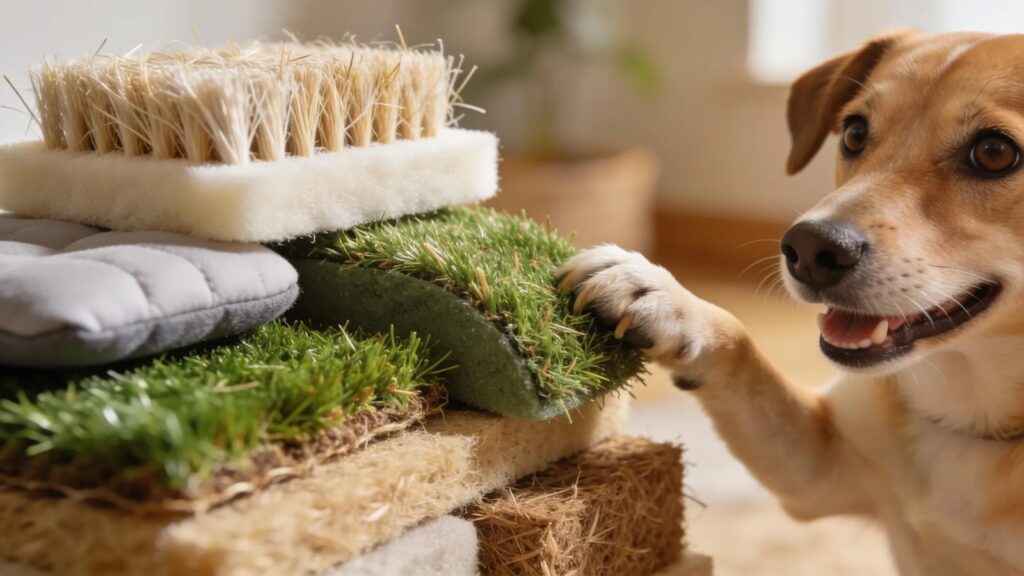
Manufacturers use durable fibers and environmentally responsible components to make turf that resists wear while remaining gentle on paws. These materials balance strength with comfort to support daily pet activity. When comparing products, look for yarn types, fiber density, and backing systems described in the product literature—these characteristics influence softness, durability, and turf behavior under heavy use.
How Do Non-Toxic and Pet-Safe Materials Protect Dogs on Synthetic Grass?
Using non-toxic, pet-safe materials prevents exposure to irritants and allergens. Quality turf often includes anti-microbial fibers that reduce odors and inhibit bacterial growth, creating a cleaner surface for both indoor and outdoor use. Many suppliers will provide material safety documentation and test reports or explain which additives are avoided; requesting this information helps owners verify claims and choose the safest option for sensitive animals.
What Role Does Turf Cushioning Play in Pet Comfort and Paw Safety?
Underlay cushioning reduces impact on joints and paws, which benefits older dogs and those prone to injury. The added shock absorption makes walking and running more comfortable and supports overall mobility for pets. Cushioning options vary in thickness and material—some are designed mainly for comfort, while others combine drainage and impact absorption. Match the underlay to your dog’s activity level and any mobility concerns.
How Does Drainage Technology Enhance Pet-Friendliness in San Jose’s Synthetic Grass?
Effective drainage is essential for a hygienic pet area. Well-designed systems move water through the turf quickly, preventing pooling and reducing the risk of odors or bacterial buildup. This keeps the space cleaner and more pleasant for pets and owners. In addition, good drainage simplifies rinsing and spot cleaning after accidents and helps the turf dry faster following irrigation or rainy periods.
Why Is Quick Drainage Crucial for Odor and Stain Resistance in Pet Turf?
Rapid drainage prevents moisture from lingering, which in turn reduces odor and staining caused by pet accidents. In San Jose’s warm climate, fast water removal helps maintain freshness and lowers the need for intensive cleaning. Fast-drying surfaces also reduce the likelihood of attracting flies or insects and make outdoor areas usable sooner after cleaning or in wet weather.
What Drainage Systems Are Most Effective for Dog-Friendly Artificial Turf?
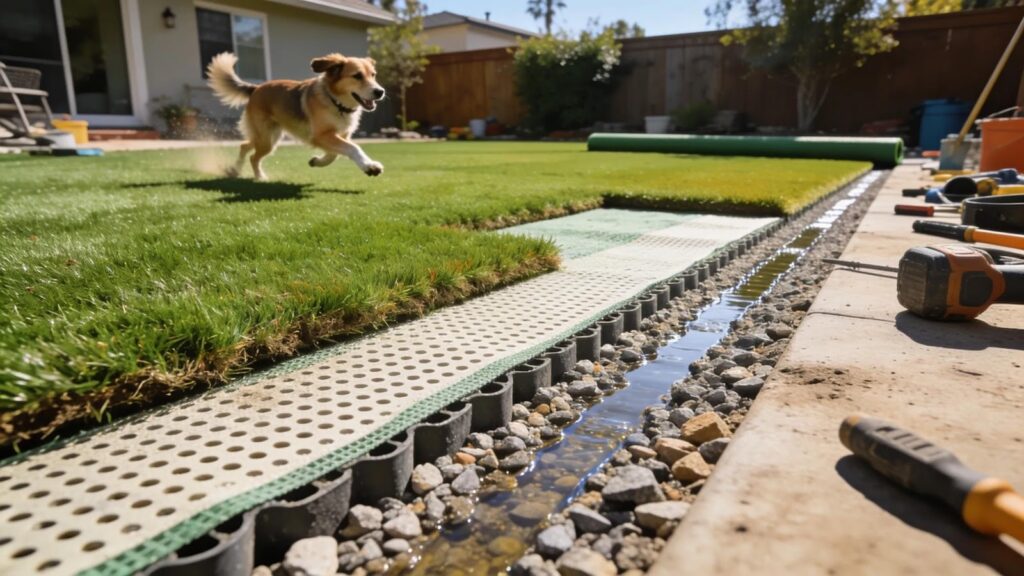
The performance of pet-friendly turf depends largely on its drainage design. Common approaches include:
- Perforated backing: This type allows water to seep through easily, reducing the risk of water accumulation beneath the surface.
- Aggregate drainage layers: These layers support water movement through the turf and help direct it away from high-traffic areas.
- Gradual slope systems: Implementing a slight gradient in the turf installation ensures that water flows away from the play area effectively.
Choosing turf with robust drainage extends its useful life and keeps pet areas cleaner and more hygienic. Professional installers often combine these approaches—for example, adding a compacted aggregate base with a slight pitch—to optimize performance in yard layouts that may have low spots or heavy use areas.
What Are the Benefits of Durable Artificial Turf Designed Specifically for Dogs?
Durable artificial turf offers practical benefits for dog owners: it withstands heavy use, retains its appearance, and reduces maintenance time. Homeowners seeking a range of reliable products can review available artificial turf products. Choosing turf designed for pets reduces the chance of premature fiber breakdown and keeps the surface comfortable under paws.
How Does Durable Pet Turf Withstand Dog Activity and Maintain Appearance?
Pet-grade turf uses reinforced fibers and stable backing to resist running, digging, and daily wear. It holds its shape and look over time while remaining safe for pets to use. Reinforced seams, denser pile heights, and UV-stable fibers also contribute to long-term appearance retention and make repairs or spot fixes easier if needed.
Why Is Resistance to Pet Odors and Stains Important for Synthetic Grass Longevity?
Materials that resist odors and stains reduce the need for harsh cleaners and frequent replacements. Built-in odor control helps keep outdoor spaces pleasant and reduces long-term maintenance costs. Where odor control is a priority, look for products that combine antimicrobial treatments with good drainage and recommend pet-safe cleaning regimes to preserve both surface quality and hygiene.
How Is Artificial Turf Installed to Maximize Safety and Functionality for Dogs in San Jose?
Correct installation affects drainage, safety, and durability. Following recognized preparation and installation steps ensures the turf performs as intended for pet use. Small details such as compacting the base evenly, securing edges properly, and finishing seams cleanly reduce tripping hazards and prevent pets from working at loose edges.
What Are the Installation Steps for Pet Turf in San Jose’s Climate?
Key installation steps include:
- Site preparation: Clearing and leveling the ground prevents uneven surfaces that could lead to injuries.
- Base layer installation: A proper base layer supports drainage and prevents weed growth, which is crucial for maintaining turf quality.
- Turf layering: Laying the turf correctly ensures that seams are secure, preventing pets from pulling it apart.
- Final touches: Adding infill materials can further enhance cushioning, making the surface even more comfortable for pets.
Applying these practices in San Jose ensures the turf meets durability and safety standards suited to local conditions. Small site customizations—such as installing a concrete or paver border at gates, or using edging to protect beds and planters—can also improve longevity and reduce instances of dirt tracking onto the turf.
How Does Professional Installation Improve Drainage and Durability?
Professional installers assess site-specific conditions and apply techniques that improve drainage and surface evenness. Their experience reduces the risk of common installation faults and supports long-term performance. They can also recommend the appropriate infill type and depth for your dog’s activity level and advise on areas that may need reinforcement due to heavy traffic or digging.
What Maintenance Practices Keep Pet-Friendly Artificial Turf Clean and Safe?
Regular maintenance preserves appearance and hygiene. Scheduled care prevents issues and maintains a safe surface for pets. Establishing a simple routine that fits your schedule makes upkeep manageable and helps preserve warranty conditions where applicable.
How Do You Effectively Clean Artificial Grass to Prevent Odors and Damage?
Remove loose debris by raking or brushing to keep fibers upright. For deeper cleaning, apply pet-safe solutions to break down odors and remove stains. Routine care extends the turf’s life and maintains a healthier environment. For persistent odors, enzyme-based cleaners designed for pet messes work well because they break down organic residues rather than simply masking smells.
How Does Regular Maintenance Extend The Lifespan of Synthetic Turf for Dogs?
Regular maintenance practices include:
- Weekly spot cleaning: Promptly addressing any spills or accidents can prevent odors from developing.
- Monthly deep cleaning: Using cleaning solutions tailored for artificial turf helps reduce odors and bacteria over time.
- Annual inspections: Scheduling professional inspections can pinpoint any issues before they become significant problems.
Consistent upkeep keeps pet-friendly turf in optimal condition and enhances the outdoor experience for both pets and owners. Additionally, brushing high-traffic areas periodically helps redistribute infill and maintain pile resilience, while occasional rinsing after heavy use removes residues that can attract pests or cause odors.
How Does Synthetic Grass for Dogs Contribute to Environmental Sustainability in San Jose?
Artificial grass can support sustainability goals in regions with water constraints by reducing irrigation needs and lowering chemical use compared with natural lawns. Over time, reduced watering and fewer lawn-care chemicals can lessen household resource use and maintenance emissions.
Why Is Low-Water Landscaping Important for Pet Turf in California?
Given California’s recurring droughts, low-water landscaping is essential. Synthetic grass eliminates the need for regular watering, conserving water and supporting responsible resource management. For pet owners, that also means more predictable outdoor surfaces year-round and fewer brown or muddy patches during dry seasons.
How Do Eco-Friendly Materials Support Sustainable Pet Turf Solutions?
Many turfs incorporate recyclable materials, which helps reduce waste. Choosing eco-friendly options lets homeowners create a safe play area for pets while reducing environmental impact. For guidance on suitable products, contact Heavenly Greens. Also consider asking suppliers about the product lifecycle, end-of-life recycling programs, and any third-party environmental certifications they maintain.
What Factors Should San Jose Homeowners Consider When Choosing Pet-Friendly Artificial Turf?
Selecting the right turf requires assessing safety, durability, and environmental credentials to match a household’s needs. Making a checklist of priorities—such as drainage performance, cushioning, odor control, and material safety—helps narrow choices effectively.
How to Evaluate Different Turf Types for Dog Safety and Durability?
Homeowners should consider the following factors when evaluating pet turf options:
- Material safety: Ensure that the turf is free from harmful chemicals.
- Durability ratings: Look for turf designed specifically for pets, typically rated for high traffic.
- Environmental certifications: Check for eco-friendly certifications that ensure pet safety and compliance with sustainability standards.
Using these guidelines helps pet owners choose turf that supports their animals’ wellbeing while delivering reliable, long-term performance. Request samples, compare pile heights, and ask for references or photos of installed projects with similar pet activity to better anticipate real-world results.
What Are the Cost Considerations and Long-Term Value of Pet Turf?
Artificial turf requires an initial investment but delivers savings over time through reduced water use and lower maintenance costs. Consider lifecycle value rather than only the upfront price. Warranty coverage, the expected lifespan of the selected product, and anticipated maintenance should all figure into a total-cost evaluation.
What Do Customers Say About Pet Turf from Heavenly Greens in San Jose?
Many pet owners report satisfaction after installing Heavenly Greens’ artificial grass, citing product quality and professional service as key contributors to their positive experience. Owners often mention improved yard usability and reduced annual maintenance effort, and some share tips on keeping infill levels topped up for optimal performance.
What Experiences Do Dog Owners Share Regarding Turf Performance and Safety?
Owners commonly highlight the turf’s durability, low maintenance, and the reduced risk of injury for their dogs. They also appreciate the improved appearance artificial grass brings to their outdoor spaces. Anecdotal feedback often points to fewer muddy paws and quicker cleanup compared with traditional turf—advantages that many owners find immediately valuable.
| Turf Type | Feature | Benefit |
|---|---|---|
| Standard Turf | Non-Toxic Fibers | Safe for pets |
| Premium Turf | Enhanced Cushioning | Comfort for joints |
| Eco-Friendly Turf | Recyclable Materials | Reduces environmental impact |
Customers report that the durability and consistent performance of these turf types provide long-term value, making them a practical choice for pet-friendly homes in San Jose. Comparing product features and installation packages can reveal differences in total value and help align expectations with budget and usage patterns.
Frequently Asked Questions
1. What are the typical costs associated with installing pet-friendly artificial turf in San Jose?
The cost of installing pet-friendly artificial turf in San Jose can vary widely depending on factors such as the type of turf, the area size, and installation complexity. The total investment varies based on project specifics, including the type of turf selected, the size of the installation area, and the complexity of the site preparation. Though the initial investment may seem high, the long-term savings on water bills and maintenance often make artificial turf a cost-effective solution. When budgeting, also consider edging, base preparation, and any additional drainage work that may be required for optimal performance.
2. How can artificial turf help reduce allergies in pets?
Artificial turf reduces common allergy triggers found in natural lawns, such as pollen and certain weeds, and limits insect presence. Many synthetic fibers are hypoallergenic, and the absence of pesticides further lowers the risk of skin irritation. These factors can improve comfort for sensitive pets. Additionally, a smooth synthetic surface makes it easier to identify and remove potential allergens and debris during routine cleaning.
3. Is it safe for dogs to eat artificial turf?
Artificial turf is not meant to be eaten, but it is typically made from non-toxic materials. Owners should supervise play to prevent ingestion of loose pieces and consult a veterinarian if a pet shows signs of distress after chewing turf. Proper installation and maintenance reduce the chance of loose material. If a dog shows persistent chewing behavior, addressing the cause—boredom, anxiety, or dietary needs—can reduce the risk of damage and ingestion.
4. Can artificial turf withstand extreme weather conditions?
High-quality turf is engineered to resist heat, UV exposure, and heavy rain. Materials are selected for durability and color stability, while integrated drainage systems help manage water runoff during heavy weather. Proper installation further improves resilience to local climate variations. In hot weather, selecting UV-stabilized fibers and ensuring good airflow can reduce heat retention at the surface.
5. How do I choose the best artificial turf for my dog?
When selecting artificial turf for your dog, consider several factors: the type of material used (ensure it’s non-toxic and safe), durability ratings (opt for pet-specific turf rated for high traffic), and environmental certifications. Also, consult with suppliers who have expertise in pet-friendly options to gain insights into the best choices. Visiting showrooms or requesting samples can further help you make an informed decision tailored to your dog’s needs. In addition, discuss warranty terms, recommended maintenance, and whether the installer provides aftercare support.
6. What are common maintenance tasks for artificial turf with pets?
Common maintenance tasks to keep artificial turf pet-friendly include removing debris such as leaves and dirt, rinsing the turf periodically to eliminate odors, and promptly addressing any spills or pet messes. Deep cleaning should involve pet-safe solutions to maintain hygiene and freshness. Regular raking helps keep fibers upright and enhances drainage. Scheduling professional inspections at least once a year can also help identify potential issues before they arise. For yards used heavily by multiple dogs, more frequent rinsing and brushing may be needed to maintain optimal condition.
7. Does artificial turf heat up in the sun, and how can I keep it cool for my dog?
Artificial turf can become warmer than natural grass in direct sunlight. To reduce surface temperature, provide shaded areas, use outdoor canopies, ensure access to water, or choose turf with cooling infill options. Monitor pets during peak heat to prevent overheating and maintain their comfort. Some owners also cool the surface by misting with water during the hottest hours—this gives immediate relief while keeping the turf clean.
Conclusion
Choosing artificial turf for pets in San Jose delivers clear benefits: improved safety, long-term durability and reduced maintenance. It also supports water conservation and can enhance property appearance. Investing in high-quality, pet-specific turf provides lasting value and a comfortable outdoor space for your pets. Explore our wide range of artificial turf options tailored for pets today!


