
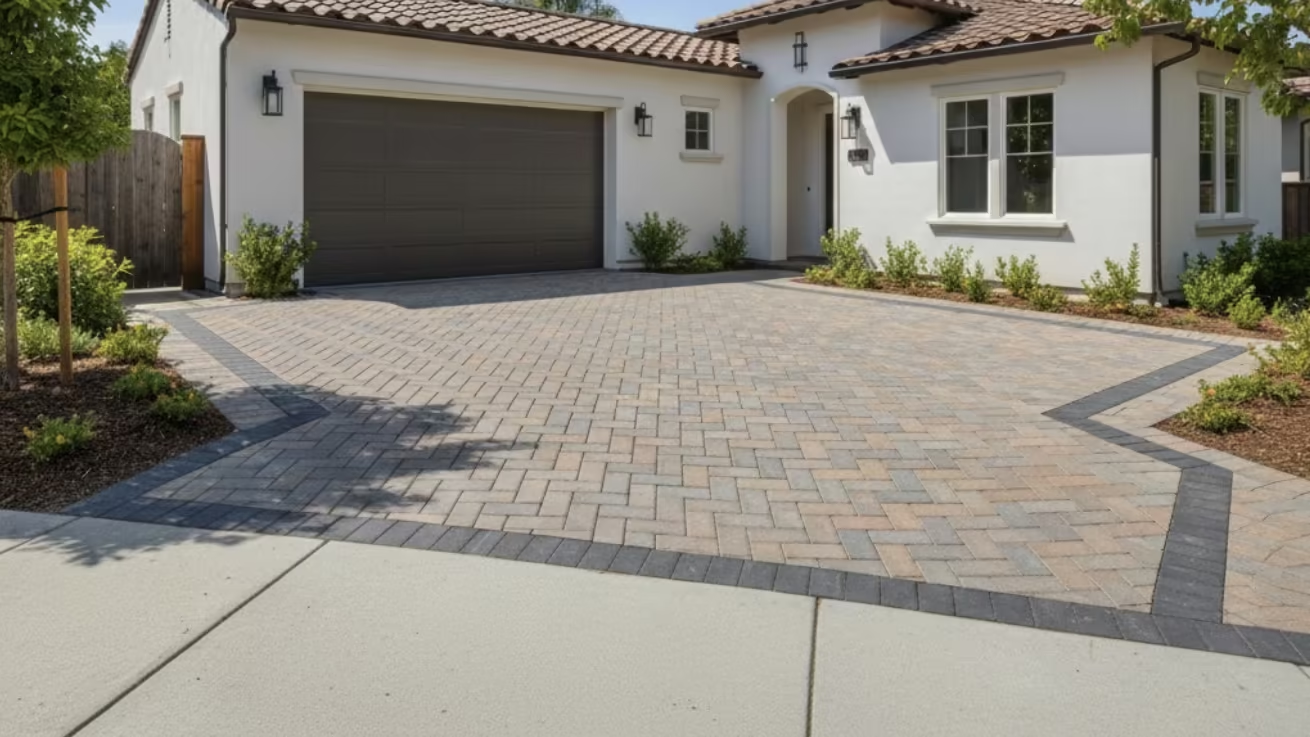
Costs for residential paver installation in San Jose vary by material, site conditions, and scope of work. This guide gives clear per-square-foot ranges, sample project totals, and a breakdown of the line items that make up an installed price so you can plan with confidence. You’ll find typical installed costs for concrete, brick, and natural stone pavers; learn how driveway and patio requirements affect price; see which site conditions drive up costs; and compare modern options like permeable pavers or turf-integrated borders. We also cover important local factors — higher Bay Area labor rates and permit considerations — and include sample math to simplify planning. Heavenly Greens, a Bay Area company founded in 2001 that installs artificial turf and residential paver systems, is listed as an option for a free on-site estimate or consultation to get an accurate local quote. Read on for practical, San Jose–specific cost guidance and next steps.
What is the average cost to install residential pavers in San Jose?
Installed costs in San Jose depend on paver type, site preparation, and project complexity. Concrete pavers are usually the most affordable option, brick sits in the mid-range, and natural stone carries a premium because of material and labor intensity. Local labor rates and heavier base requirements for driveways or sloped sites push prices toward the top of each range, while simple flat patios typically land near the lower end. Below is a quick comparison to help you set realistic per-square-foot expectations before booking an on-site estimate.
The table summarizes material and installed per-square-foot ranges to give a practical planning baseline; the following sections explain why prices differ.
| Tier | Paver Type | Typical Look & Use | Durability | Broad Installed Cost Expectation |
|---|---|---|---|---|
| Good | Concrete Pavers | Standard patios, walkways, driveways | High; modular and easy to repair | Lower end of the $12–$20+ per sq ft installed range |
| Better | Brick Pavers | Traditional/historic look for patios & walkways | Long-lasting; naturally color-stable | Middle of the installed cost range depending on pattern |
| Best | Natural Stone (Flagstone, Travertine) | Premium patios, pool decks, luxury outdoor spaces | High; varies by stone type | Upper end of the installed range due to material + labor |
Installed prices reflect materials plus base work, labor, jointing, and finishing. The biggest differences between concrete and natural stone are material sourcing and cutting time. Read on for detailed per-square-foot ranges and San Jose-specific considerations.
What are typical price ranges per square foot for different paver types?
Each material has a distinct installed price band based on cost and installation complexity. In San Jose, concrete pavers commonly install for about $12–$25 per square foot, offering predictable durability at a competitive price. Brick pavers usually run $18–$35 per square foot because materials and tighter joint work increase labor time. Natural stone — flagstone, travertine, and similar materials — typically installs for $30–$55 per square foot due to higher material costs, irregular pieces that require more cutting, and extra leveling time. These ranges assume average site conditions; extensive excavation, difficult grading, or added drainage work will push costs higher. Next, we translate per-square-foot pricing into total budgets by project type.
How do costs vary by project type: driveways, patios, and walkways?
Project type turns per-square-foot ps into real budgets because of differences in size, load requirements, and base depth. Driveways cost more than patios since they need thicker bases, stronger bedding, and sometimes reinforcement for vehicle loads, which usually places driveway installs at the upper end of material ranges. Patios vary widely: a simple flat patio is relatively inexpensive, while complex patterns, steps, or built-in features increase labor and material costs. Walkways are often priced by linear foot or as small-area projects; they can be economical but become costly when access is tight or grading is required. Understanding these differences helps you choose a realistic budget based on use and design goals.
How do different paver materials affect installation costs in San Jose?
Material choice affects upfront cost, installation complexity, and long-term maintenance. Concrete pavers are consistent and manufactured, which reduces cutting time and waste. Brick offers a classic look and straightforward spot repair. Natural stone delivers a premium, unique appearance but requires more time to fit and level. Permeable paver systems improve stormwater management but need a specialized base that raises initial cost while potentially lowering runoff or drainage expenses over time. The sections below break down costs for concrete, then cover brick and natural stone so you can match budget to finish.
What is the cost breakdown for concrete paver installation?
Concrete paver pricing typically includes material, base preparation, labor, jointing sand or polymeric sand, and optional sealing. While concrete pavers themselves can be economical per square foot, a properly compacted crushed-rock base and edge restraints are essential and can represent 30–50% of the installed cost depending on base depth. Labor for cutting, compaction, and precise laying usually accounts for 25–40% of the total, with jointing and sealing adding modest additional costs to protect the investment. Routine sealing and occasional joint maintenance are relatively low ongoing expenses that preserve appearance and performance. Understanding these line items makes comparing contractor bids easier.
How much does brick paver installation cost and what are its advantages?
Brick pavers generally fall in the mid-range, with installed costs commonly between $18 and $35 per square foot. Brick costs more than basic concrete and requires precise installation to maintain consistent color and tight joints. Advantages include a timeless look, easy spot repairs, and strong compressive strength when installed on a proper base — making brick a good option for driveways and traditional-style yards. Potential downsides include color fading in some mixes and higher prices for custom or reclaimed brick. Many homeowners choose brick for its dependable performance and classic curb appeal.
What are the costs and benefits of natural stone paver installation?
Natural stone commands premium pricing — typically $30–$55 per square foot installed — because of higher material costs, irregular shapes that need more cutting and fitting time, and sometimes imported sourcing. Benefits include distinct textures, long-term durability, and strong curb appeal that can boost resale value. Costs rise with custom cuts, stricter leveling tolerances, and the need for more skilled labor. Choosing locally quarried stone when possible can reduce transport costs, but homeowners should expect higher upfront investment for a one-of-a-kind finish.
What factors influence residential paver installation costs in San Jose?
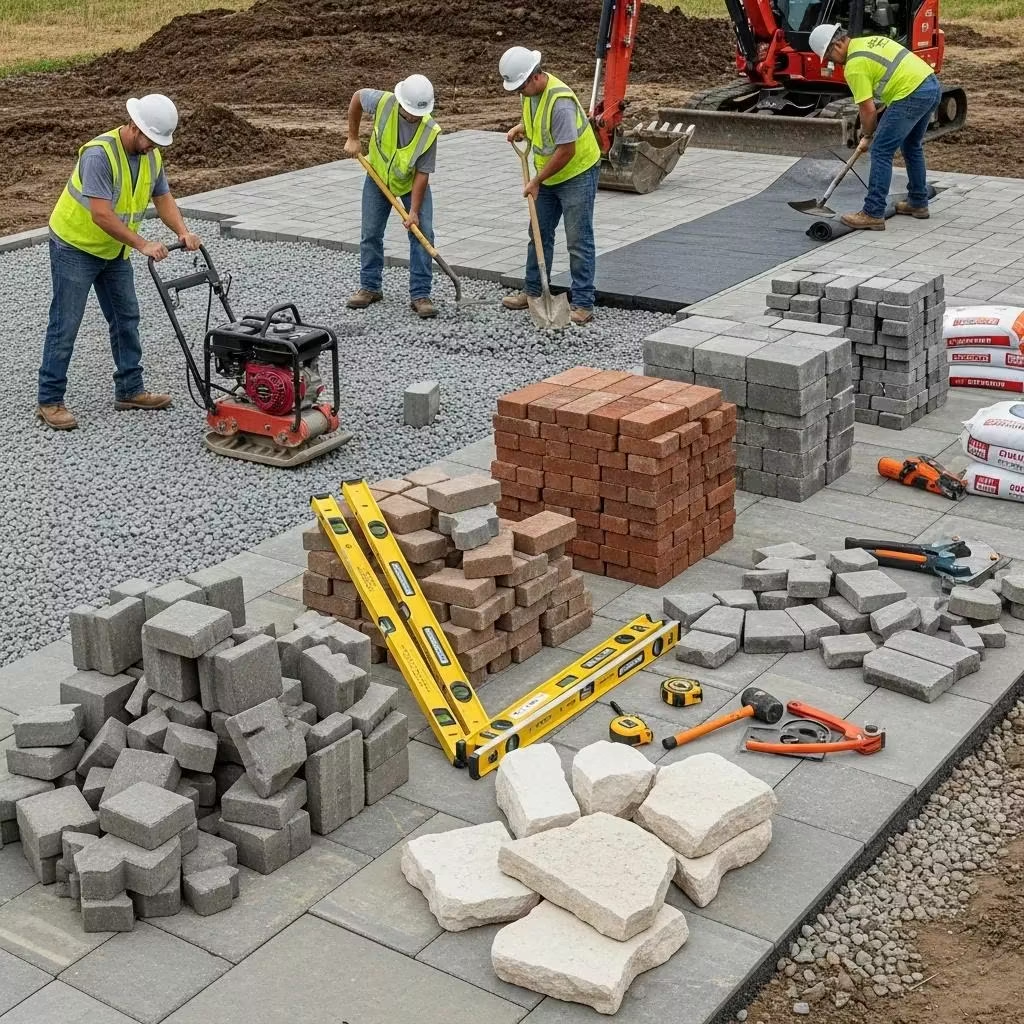
Several factors determine the final installed price for residential pavers in San Jose. The main drivers are site preparation and base depth, project size and complexity, local labor rates, drainage and permitting needs, and optional features such as lighting or sealing. Soil type, slope, and equipment access can increase excavation and disposal costs, while intricate patterns and custom edging demand more skilled labor. The table below summarizes common cost factors and their typical impact so you can quickly see which items most affect your estimate.
| Cost Factor | Typical Cost Impact | Example Range / Note |
|---|---|---|
| Site preparation | High | $2–$10+ per sq ft depending on excavation and disposal |
| Base materials & depth | High | Deeper base adds $3–$8 per sq ft for driveways |
| Labor complexity | Medium–High | Skilled pattern work increases labor by 10–30% |
| Drainage & grading | Medium | French drains or regrading add $500–$3,000+ |
| Permits & inspections | Low–Medium | City or HOA fees vary by scope of work |
The table shows that base work and site prep are often the largest variables. The sections below explain how size and design complexity change pricing and why a thorough site assessment matters before you finalize a budget.
How do project size and design complexity impact pricing?
Project size affects pricing in two ways: larger areas often benefit from economies of scale on per-square-foot labor, while small jobs carry higher per-square-foot overhead for setup and mobilization. Design complexity — herringbone patterns, curves, many cuts, or multiple color blends — increases labor hours and material waste, usually adding 10–30% to base labor costs. Edge restraints, custom borders, and built-in steps require extra materials and precision, raising the per-square-foot price. For budgeting, allow a 10–20% contingency for design-driven complexities so the final invoice matches the intended look and structural needs.
What are the costs of site preparation and base materials?
Site prep includes excavation, grading, hauling away soil, and installing a compacted crushed-rock base with bedding sand; these steps ensure load distribution and long-term stability. Excavation and disposal costs depend on depth and soil conditions — rock or problematic soils raise costs — while base depth varies by use: walkways often need 4–6 inches, driveways typically require 8–12 inches of compacted base. Unit costs for base materials and compaction range from a few dollars up to $8+ per square foot depending on depth and access. Installing proper drainage, like sub-surface drains or slope correction, is usually cheaper during construction than as a retrofit.
How do local labor rates affect installation costs?
San Jose and the broader Bay Area have higher labor rates than many regions, and that local premium raises total installed costs. Labor includes skilled tasks — base compaction, accurate layout, cutting and fitting, and finishing — and experienced crews often work more efficiently and reduce warranty issues, which can offset some of the premium. When comparing bids, factor in crew experience and knowledge of local permitting and inspection requirements: efficient teams shorten time on site and lower the risk of change orders. Crews familiar with regional soils and climate also reduce the chance of settlement or drainage problems that add expense later.
What additional features can increase paver installation costs?
Common add-ons that boost upfront cost include drainage systems, outdoor lighting, sealing, steps, planters, and transition borders to turf or planting beds. Drainage solutions protect the installation and prevent runoff problems, while lighting extends usable hours and improves safety; both are separate line items on quotes. Sealing is a maintenance option that protects color and surface life for a modest fee, and specialty edging or custom stone caps raise material and labor totals. These extras often add long-term value, but weigh them against budget priorities before finalizing a design.
How much does it cost to install driveway, patio, and walkway pavers in San Jose?
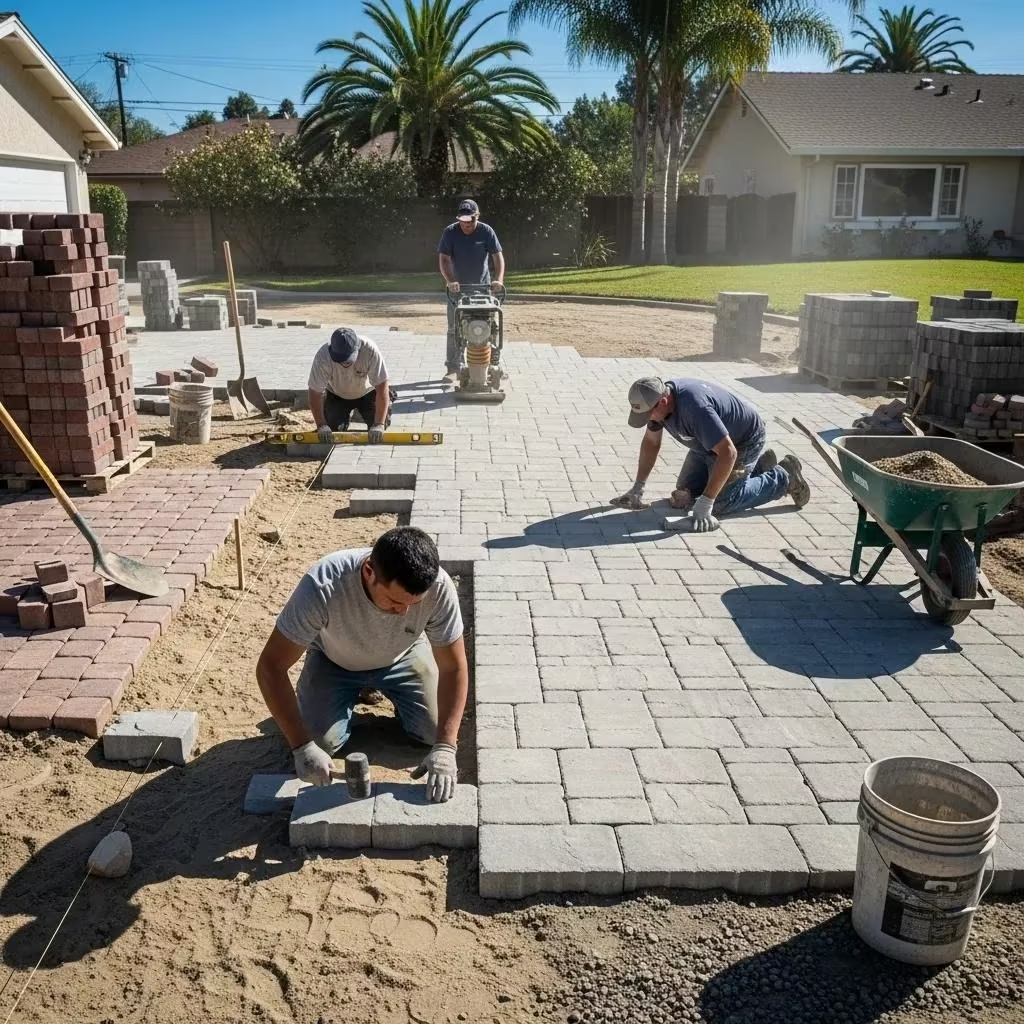
To convert per-square-foot ranges into project budgets we use typical sizes and use-case assumptions. Driveways, patios, and walkways each have different expectations that affect total cost: driveways are larger and require stronger bases, patios vary with design and features, and walkways are often narrow with access considerations. The table below lists common project sizes and the corresponding cost ranges to help you move from estimates to a realistic budget.
| Project Type | Average Size Assumption | Typical Total Installed Cost Range |
|---|---|---|
| Driveway (single-car) | 200–300 sq ft | Most single-car driveways fall within a broad homeowner range depending on base depth, paver selection, and site access. Expect the total project cost to land anywhere from **lower-middle** to **upper-middle** of the typical installed price spectrum. |
| Patio (medium family patio) | 200–400 sq ft | Patios vary widely with design features, edging, and materials. Most fall in the **mid-range** to **premium** bracket of total installed costs. |
| Walkway (front path) | 50–150 sq ft | Walkways typically sit at the **lower end** of total investment, but curves, steps, or premium stones can move the project into higher tiers. |
Driveway totals are higher because of base requirements and heavier paver choices, while patios and walkways show wide ranges driven by material and design detail. The following sections give example calculations and considerations to refine these estimates for specific projects.
What is the average cost for driveway paver installation?
A single-car driveway of about 200–300 sq ft typically costs $2,400–$7,500. Variations come from base depth, paver selection, and any reinforcement needed for vehicle loads. Driveways usually require an 8–12 inch compacted base and may need geotextile stabilization on weak soils, both of which increase unit costs versus patios. Choosing interlocking concrete pavers made for vehicular loads reduces maintenance compared with thin patio pavers; proper edging and drainage also help ensure durability under frequent use. Given the structural demand, prioritize base quality and hire a professional crew to avoid premature settling and higher lifecycle costs.
How much does a paver patio installation cost in San Jose?
A medium patio (about 200–400 sq ft) ranges from roughly $2,400 using basic concrete pavers up to $20,000 or more for premium stone with custom features. Pattern complexity, steps, and integrated elements are the main cost drivers. Simple rectangular patios on flat sites are the most economical; features like fire pits, built-in seating, and multiple material transitions add labor and material expenses. Patios that adjoin artificial turf may require transition strips or coordinated edging; combining turf and pavers can create an attractive, low-maintenance yard that balances hardscape cost against long-term landscaping savings. Prioritize features to keep the project within budget.
What are typical costs for walkway paver installation?
Walkway pricing depends on linear footage, width, and site access. Small front paths (50–150 sq ft) commonly cost $600–$6,000: straight, narrow runs on flat ground are inexpensive, while curved paths over slopes or with complex grading are pricier. Some contractors quote walkways per linear foot when width is consistent. Tight access for equipment or significant grading increases labor and excavation costs. Material choice matters — simple concrete pavers are cost-effective, while custom stone or mosaic patterns increase the total. Include drainage and proper base compaction in early quotes to avoid settling and future repairs.
Why choose Heavenly Greens for residential paver installation in San Jose?
Heavenly Greens is a Bay Area company that pairs residential paver work with artificial turf services, emphasizing quality installations and local know-how. Founded in 2001, the company understands San Jose soil conditions, permitting checkpoints, and seasonal scheduling that affect timelines and budgets. Heavenly Greens offers consultations and callbacks through its website to move homeowners from planning to an accurate, on-site estimate that reflects actual site conditions. Below are concise proof points to help you decide whether to request a quote.
- Local Bay Area presence: We work across the region and know San Jose site and permitting nuances.
- Service mix: We install both artificial turf and pavers, which makes integrated design and clean transitions easier.
- Lead options: Schedule a consultation or request a callback on our website for an itemized, on-site estimate.
These points summarize the company’s positioning and invite homeowners to request an on-site estimate — the best next step after using the cost ranges and examples above.
What experience and quality standards does Heavenly Greens offer?
Heavenly Greens has served the Bay Area since 2001, providing turf and paver installations with a focus on durable workmanship and local service. That experience translates to familiarity with common San Jose soils, drainage needs, and design trends that affect initial cost and long-term performance. Typical quality practices to confirm during consultation include thorough site assessment, correct base compaction, secure edge restraints, and post-install inspections. Requesting an itemized on-site estimate lets you verify those quality steps are included in the proposal and ensures clarity on scope and cost.
How does Heavenly Greens provide transparent pricing and customer support?
Heavenly Greens offers scheduled consultations and callback requests through the website to deliver itemized, on-site pricing that reflects your specific site conditions. Expect a quote that separates materials, base work, labor, drainage, permits, and optional extras so you can compare line items across bids. Scheduled consultations help with timely follow-up and clearer communication about timelines and warranties. If you want an exact local price, scheduling an on-site consultation is the recommended next step.
What are the most common questions about residential paver installation costs in San Jose?
Homeowners often ask about per-square-foot pricing, budgeting, permits, and timelines. Short, practical answers help with early decision-making. The Q&A below includes suggested next steps and highlights when a contractor assessment or permit check is advisable. Two entries include a call-to-action recommending a consultation or on-site estimate for definitive pricing.
How much does it cost to install pavers per square foot in San Jose?
Installed paver prices in San Jose typically range from $12 to $55 per square foot depending on material and complexity: concrete near the low end, brick in the middle, and natural stone at the high end. Key cost drivers are base depth, site prep (excavation and grading), design complexity (cuts and patterns), and local labor premiums. For an accurate per-square-foot price for your project, request an on-site estimate so a pro can evaluate soil, slope, and access — the main determinants of final cost.
What factors should I consider when budgeting for paver installation?
When budgeting, account for materials, site preparation, labor, drainage, permits, and optional features — each affects short-term cost and long-term maintenance. Material choice sets the baseline; site prep and base depth are often the biggest variables. Design complexity, edge treatments, lighting, or sealing add predictable increments, so include a 10–20% contingency for unexpected site conditions. Always request itemized quotes and compare the scope to avoid later change orders.
- Materials: Choose based on desired look and expected longevity.
- Site prep: Budget for excavation, grading, and base compaction.
- Design complexity: Intricate patterns mean higher labor costs.
Early planning and clear, itemized proposals help keep budgets on track and reduce surprises during installation.
Are there permit requirements or additional fees for paver installation in San Jose?
Permit needs depend on project scope: driveways and major grading changes are more likely to require city permits or inspections; small patios or minor walkways may not. Permit fees and timelines vary by jurisdiction and project details, so check local rules or ask your contractor to confirm during the estimate process. For a definitive answer, schedule a consultation with a local installer who can assess your project and advise whether permits or HOA approvals are required; an on-site assessment is the quickest way to clarify these items.
How long does residential paver installation take in San Jose?
Timelines range from a few days for small walkways or patios to one to two weeks for larger patios and driveways. Permitting delays, weather, and site complexity can extend schedules. Simple, accessible projects move fastest; ones needing significant excavation, drainage work, or custom stone cutting take longer. To avoid surprises, coordinate permits and seasonal availability in advance and discuss realistic timelines during your consultation.
This completes the cost guidance and next steps. Use these ranges to compare bids and decide whether to schedule an on-site estimate for a precise, itemized price.
Frequently asked questions
What are the benefits of using permeable pavers in residential installations?
Permeable pavers let water pass through the surface, reducing runoff and helping groundwater recharge. They’re useful for stormwater management in urban areas like San Jose and can lower long-term drainage costs or qualify for local incentives. Permeable systems require specialized installation and a more complex base, which raises initial cost. Homeowners should weigh long-term drainage benefits and site conditions against upfront expense when considering permeable options.
How can I maintain my paver installation to ensure longevity?
Regular maintenance keeps pavers looking and performing well: clean with a pressure washer or mild detergent to remove dirt and stains, seal to protect against moisture and staining, and check joint sand periodically to prevent weed growth and shifting. Inspect for settling or damaged units and address issues early. These simple steps extend the life of your installation and protect your investment.
What should I consider when choosing a contractor for paver installation?
Look for experience, local reputation, and familiarity with San Jose regulations. Read reviews and ask for references to verify workmanship and reliability. Request detailed, itemized quotes that list materials, labor, and extras, and clarify warranty and post-install support. A contractor who understands local soils and permitting will help avoid delays and hidden costs.
Are there eco-friendly options for paver materials?
Yes. Recycled concrete pavers and permeable systems are eco-friendly choices that reduce environmental impact. Sustainably sourced natural stone and reclaimed-material pavers add character while supporting sustainability goals. When selecting materials, consider lifecycle, maintenance needs, and how they align with your property’s environmental objectives.
What are the common design trends for paver installations in residential properties?
Popular trends include mixing materials (pavers with natural stone or turf), geometric and herringbone patterns, and integrating features like built-in seating, fire pits, and lighting for ambiance and function. Homeowners increasingly choose permeable pavers and sustainable options to address drainage while keeping attractive designs.
How do seasonal changes affect paver installation timelines?
Seasonality matters. San Jose’s dry summer months are ideal for installation because stable, dry conditions speed up work and settling. Winter rains can delay excavation and base work, and extreme temperatures can affect material handling. Plan timing with your contractor to match site conditions and avoid seasonal delays.
Conclusion
Knowing the factors that drive residential paver costs in San Jose helps you make smarter choices that fit your budget and design goals. Consider material, project type, and local labor rates when planning, and get an on-site estimate for a precise, itemized price. If you’re ready to move forward, contact a local expert to review your site and options — and transform your outdoor space with durable, attractive pavers.


