
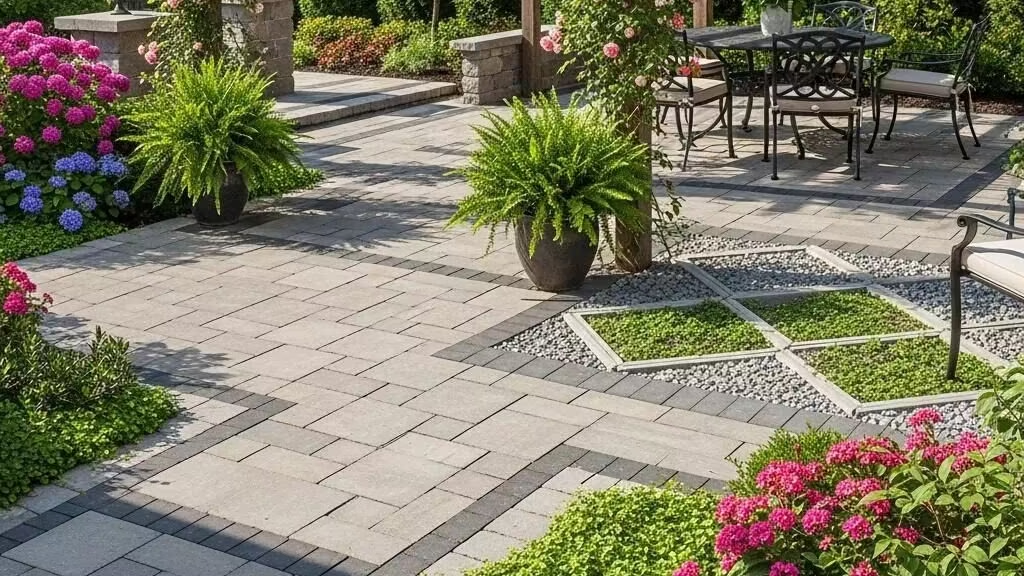
Pavers are modular paving units that create durable, attractive outdoor surfaces—patios, driveways, walkways and living areas. This guide lays out ten practical design ideas, pattern recommendations, material comparisons, and sustainable options so homeowners can pick paver solutions that balance looks, performance, and upkeep. Many owners find it hard to match pattern, material, and drainage to a specific use—like a heavy-use driveway versus an intimate patio—so we give clear criteria and real examples to reduce uncertainty. You’ll find top patterns (herringbone, ashlar), material trade-offs (concrete, natural stone, porcelain), guidance on permeable systems, and straightforward notes on installation to help you prepare for a contractor visit. The sections that follow cover the ten design ideas, popular patterns and their best uses, material selection, permeable options and sustainability, curb-appeal tips for yards and driveways, and the installation process offered by Heavenly Greens. Read on for inspiration, easy comparisons, and next steps for turning your concept into a professionally installed paver landscape.
Top 10 Residential Paver Design Ideas for Landscaping
Good paver ideas pair form with function—creating outdoor spaces that look great while handling load, weather, and day-to-day use. Each entry below explains the aesthetic, suggests ideal applications, and flags a maintenance or performance note so you can quickly decide what fits your patio, driveway, or pathway. These concepts reflect current preferences—large-format pavers, mixed materials, and earth-tone palettes—plus practical details like jointing and lighting that support long-term performance. If you want professional help, Heavenly Greens can adapt any of these concepts to homes around San Jose, CA.
- Modern large-format pavers: Minimal joints and neutral tones for clean, contemporary patios and terraces.
- Mixed-material mosaics: Combine porcelain, stone, and turf to define zones and add contrast.
- Herringbone driveway layouts: Strong interlock and load distribution for durable vehicle surfaces.
- Circular focal motifs: Round patios or seat-wall insets that become gathering focal points.
- Ashlar random-pattern terraces: Mixed rectangular sizes for a natural, high-end stone appearance.
- Stack bond linear walkways: Clean, modern lines ideal for narrow circulation paths.
- Rustic flagstone patios: Irregular shapes and warm tones for organic, garden-oriented settings.
- Permeable grid pavers with turf: Integrate greenery into driveways while managing runoff.
- Border-and-field compositions: Frame a central field with contrasting soldier-course borders to boost curb appeal.
- Integrated lighting channels: Route LEDs in joints or edges for safety and evening ambiance.
These ten concepts pair aesthetics with practical notes so you can shortlist options that match your site and lifestyle. The next section dives into modern traits that define contemporary paver projects.
Modern Paver Designs That Enhance Contemporary Homes
Contemporary paver schemes favor large-format units, tight joints, and muted palettes to blur the line between indoor and outdoor. The secret is scale and restraint: larger units reduce visual clutter while narrow jointing highlights planes and furniture alignments. Porcelain and large-format concrete give consistent surfaces that pair well with linear LED lighting and metal accents for a minimalist look. When combined with artificial turf or slim planting strips, these layouts simplify circulation and cut maintenance—perfect for compact urban yards where expanding the perceived space matters.
How Rustic and Classic Paver Styles Bring Character
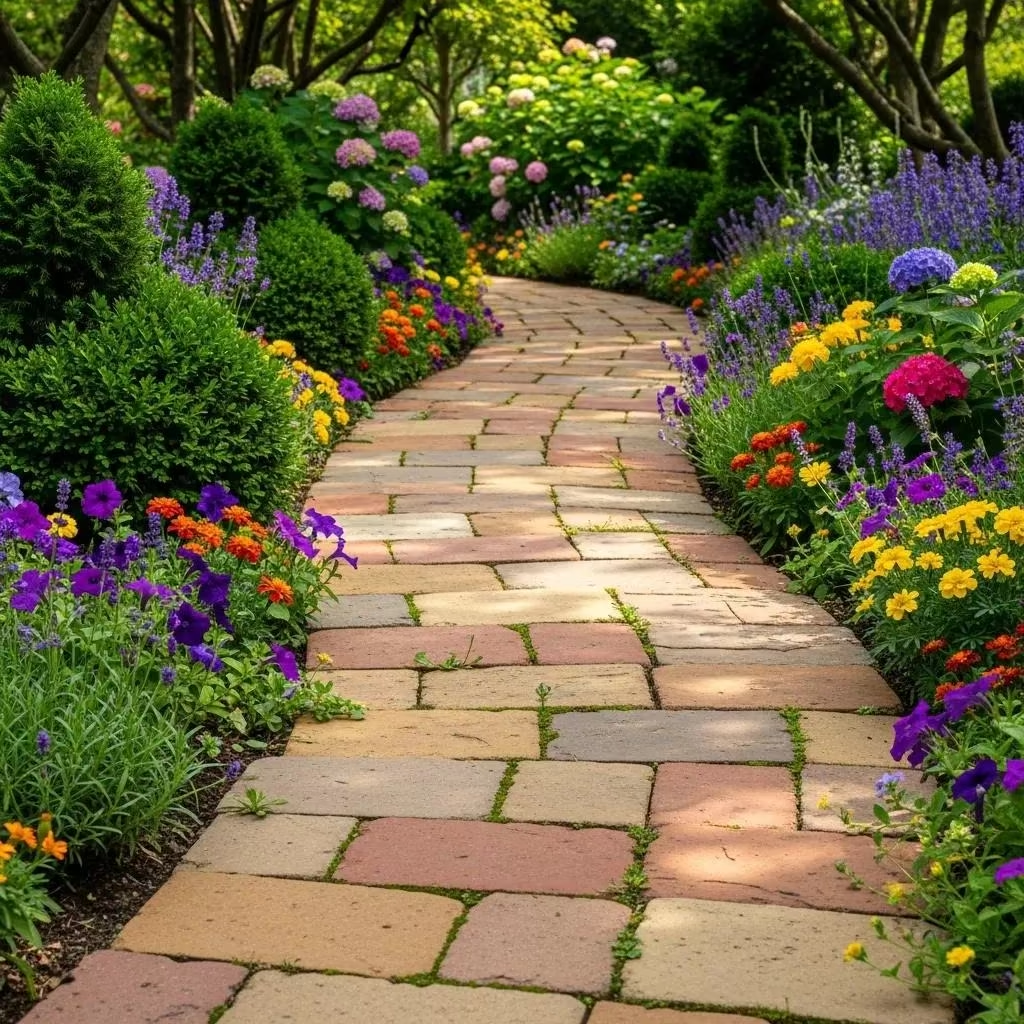
Rustic and classic styles use varied shapes, textures, and warm tones to create a sense of age, warmth, and craftsmanship that complements traditional homes. Materials like flagstone, tumbled brick, and weathered limestone offer surface variation and natural traction; their organic edges soften transitions to planting beds and gravel paths. These looks call for careful base preparation to limit settling, and occasional joint care keeps the historic character intact. Pair rustic paving with native plantings, decomposed granite, and subtle spot lighting to reinforce charm while keeping the space functional.
Most Popular Paver Patterns for Patios, Driveways & Walkways
Paver patterns control both structural behavior and visual rhythm—choices affect load distribution, cutting waste, and installation time. Picking the right pattern helps you match appearance with function: some patterns interlock tightly for driveways; others add texture for patios. The table below compares common patterns by best uses, durability, complexity, and style so you can select the right fit for your site and maintenance preferences.
| Pattern | Best Use | Durability | Complexity | Visual Style |
|---|---|---|---|---|
| Herringbone | Driveways, high-load areas | High | Moderate–High (requires cuts) | Classic · Structured |
| Basketweave | Patios, small courtyards | Medium | Moderate | Traditional · Cozy |
| Running Bond | Walkways, simple patios | Medium | Low | Linear · Timeless |
| Ashlar (random) | Patios, terraces | Medium–High | Moderate | Natural · Varied |
| Stack Bond | Modern walkways, feature areas | Low–Medium | Low | Minimal · Contemporary |
| Circular motif | Focal patios, seating areas | Medium | High (layout precision) | Decorative · Focal |
This table shows how pattern choice balances load requirements and desired look. Below we explain why herringbone performs so well and how other patterns suit different contexts.
Why Herringbone Delivers Both Durability and Style
Herringbone locks units at perpendicular angles so lateral forces spread across many pavers, giving outstanding resistance to vehicle loads. Installers favor it for driveways because the interlock transfers weight effectively. Best practice uses rectangular units laid at 45° or 90°, firm edge restraint, and a well-compacted base to ensure longevity. The trade-offs are more cutting waste and extra labor time, but the outcome is a durable, rhythmic surface that works with traditional or modern architecture.
Benefits of Basketweave, Running Bond and Ashlar
Each pattern has its own aesthetic and installation trade-offs. Basketweave creates a classic checkerboard texture ideal for small patios and heritage homes but needs precise jointing to stay true. Running bond is economical and fast for walkways, with minimal waste and clean sightlines. Ashlar mixes rectangular sizes to mimic natural stone and hides minor settling. Your choice depends on look, slope, and budget—adding borders or soldier courses improves edge stability and sharpens the final composition.
How to Choose the Best Paver Materials for Residential Landscaping
Start by asking: What’s the primary use (driveway, patio, walkway)? What’s the climate and acceptable maintenance level? What’s the budget? Material determines durability, texture, and long-term upkeep—align those factors with intended use to avoid surprises. The table below gives a concise comparison of common materials by cost, durability, maintenance, permeability, and typical applications.
| Material | Cost | Durability | Maintenance | Permeability | Typical Use |
|---|---|---|---|---|---|
| Concrete pavers | Low–Medium; versatile | High | Low; occasional joint re-sanding | Low (unless a permeable system) | Driveways, patios |
| Natural stone (flagstone, limestone) | High | Medium–High; varies by site | Medium; sealing and leveling | Low–Medium | Premium patios, terraces |
| Brick pavers | Medium | High | Medium; moss and weed control | Low | Driveways, pathways, historic settings |
| Porcelain pavers | Medium–High | High | Low; stain-resistant | Low | Modern patios, pool decks, large-format areas |
This comparison clarifies trade-offs so you can prioritize the attributes that matter most. The following sections break down pros/cons and how color and texture affect the final look.
Pros and Cons: Concrete, Natural Stone, Brick and Porcelain
Concrete pavers are cost-effective, come in many shapes and finishes, and perform well on a proper base—though they can fade and need joint upkeep. Natural stone delivers unique texture and premium appeal but varies in slip resistance and may need sealing and careful leveling. Brick brings classic charm and strong compressive strength but requires routine attention in damp climates. Porcelain offers large-format, low-absorption slabs with consistent color and stain resistance, though material cost and precise subbase work are higher.
How Earth Tones and Texture Shape Paver Aesthetics
Color and texture influence perceived scale, warmth, and how the hardscape ties into planting and turf. Warm, variegated tones read as traditional and pair well with rustic materials and artificial turf; cool greys and smooth textures support a modern, minimalist aesthetic. Texture also affects slip resistance—tumbled or rough finishes add traction near pools—so pick surface profiles that match use and safety needs. Coordinating border tones, joint sand, and adjacent turf keeps the composition cohesive across outdoor rooms.
How Permeable Paver Solutions Improve Sustainability and Drainage
Permeable paver systems reduce stormwater runoff and support groundwater recharge by allowing infiltration through joints or open-grid units—making them a strong sustainable option for homes. The system combines surface permeability with engineered base layers that store and slowly release water, which lowers peak flows and helps with local drainage requirements. Homeowners should weigh installation complexity and maintenance—vacuuming joints, avoiding fine sediments—against environmental benefits. The table below compares common permeable types, their stormwater perks, installation notes, and typical cost ranges so you can evaluate trade-offs.
Stormwater Runoff from Driveway Materials: Pavers vs. Asphalt
Stormwater runoff quality and quantity from asphalt, paver, and crushed stone driveways in Connecticut, 2006
| Permeable System | Stormwater Benefit | Installation Considerations | Typical Cost Range |
|---|---|---|---|
| Permeable interlocking concrete pavers | High runoff reduction; infiltration through joints | Needs graded subbase and reservoir layer; joint material choice is critical | Medium–High |
| Open-grid turf pavers (vegetated) | Moderate infiltration with a green surface | Requires base stabilization and turf upkeep; best for low-speed driveways | Medium |
| Porous unit systems with stone infill | High infiltration; good for retrofits | Needs edge restraint and regular maintenance to avoid clogging | Medium–High |
This comparison shows how permeable options trade environmental gains for specific installation and upkeep commitments. The next paragraphs explain practical advantages and mixed-material strategies that enrich outdoor living.
Advantages of Permeable Pavers for Residential Landscapes
Permeable pavers lower surface runoff, ease pressure on storm drains, and enable localized water absorption that benefits soil and groundwater. For homeowners, these systems can help meet local stormwater rules and reduce erosion on slopes while supporting planted joints or turf for a softer look. Maintenance is mostly preventive—keep joints clear of fine sediment and schedule occasional vacuuming to preserve infiltration. Because the engineering matters, professional design makes sure the subbase, reservoir capacity, and outlets match local rain patterns and site conditions.
How Mixed Materials and Integrated Features Improve Outdoor Living
Combining pavers with artificial turf, gravel, wood decking, and integrated lighting creates defined outdoor rooms without walls. Mixed materials can separate a dining zone (porcelain field) from a lounge (turf or gravel) while pathways in running bond or stack bond guide movement. Lighting in joints or edges increases safety and extends usable hours, and built-in fire pits or outdoor kitchens anchored on solid paver platforms make spaces multi-functional. Thoughtful transitions—small steps, texture changes, or border courses—help people read and use each zone intuitively.
Backyard and Driveway Paver Ideas That Boost Curb Appeal
To raise curb appeal with pavers, focus on consistent borders, clear circulation, and materials that read well from the street while standing up to vehicle use. High-impact treatments include contrasting borders, soldier-course accents, or circular insets to frame a driveway and highlight entrances. Choosing patterns and materials engineered for vehicle loads—herringbone with concrete units or reinforced grid pavers where turf remains—keeps the visual upgrades durable. Below are quick, practical tips that elevate street-facing impressions without large maintenance burdens.
- Frame the driveway with a contrasting border to define edges and add depth.
- Add a circular motif or medallion near the entrance for instant visual interest.
- Pick a vehicle-rated pattern (for example, herringbone) to minimize future settlement.
These focused tactics deliver clear visual returns and guide material and pattern choices for long-term performance. The next section explains how patio and walkway decisions improve usable outdoor areas.
How Patio and Walkway Pavers Create Functional Outdoor Rooms
Pavers create function by zoning space, directing circulation, and providing stable surfaces for furniture and appliances. Pattern changes signal transitions between activities: larger-format pavers or ashlar patterns make comfortable, low-maintenance dining and seating areas, while textured slabs near pools or grills boost traction. Walkway pavers set at comfortable step distances and aligned with sightlines improve accessibility and flow. Designers often use slight grade changes, contrasting materials, or planted separators to define zones without blocking movement.
Driveway Paver Patterns & Materials That Maximize Durability
Driveway longevity depends on pattern interlock, unit compressive strength, base compaction, and edge restraint—each element must work together under repeated vehicle loads. Herringbone interlock with high-strength concrete pavers or properly rated brick gives excellent lateral stability, while reinforced permeable grids with turf suit low-use drives. Regular upkeep—replenishing joint sand and sealing where appropriate—extends life, and correct base drainage prevents frost heave or settlement in freeze/thaw climates. Choosing combinations that address both the surface and subbase is the most reliable path to long-term performance.
The Residential Paver Installation Process from Heavenly Greens
Heavenly Greens provides consultation, design, and installation for residential paver projects across the Bay Area, combining hardscape know-how with turf and lighting integration. Our process starts with a site review to document slopes, drainage, soil, and your goals, then advances to design sketches and material selection so you can visualize patterns, textures, and turf integration on-site. Installation focuses on proper base prep, edge restraint, correct jointing, compaction, and cleanup so the result performs and meets warranty standards. If you’d like a quote or examples, contact Heavenly Greens to schedule a consultation and get site-specific recommendations.
The typical workflow includes clear steps, timelines, and homeowner touchpoints so expectations stay aligned from concept to completion.
- Site consultation and measurements to define constraints and objectives.
- Design development with material samples and pattern mockups for approval.
- Site preparation and excavation followed by base/subbase compaction and grading.
- Paver installation with edge restraint, cutting, jointing sand, compaction, and finishing.
- Final inspection, cleanup, and maintenance guidance to ensure long-term performance.
These steps summarize the key milestones in a professionally managed project. The sections that follow describe consultation deliverables and on-site quality checks that ensure customized, durable results.
How the Consultation and Design Phase Delivers a Tailored Result
During consultation we document site constraints and homeowner preferences, then translate them into measurable design options and scoped estimates so decisions reflect both aesthetics and engineering. Deliverables usually include scaled sketches, suggested materials and color palettes, and a cost estimate tied to chosen scope—helpful when weighing trade-offs. For permeable or complex drainage sites, we identify subbase needs and potential permitting. Sample boards let clients confirm textures and tones against existing plantings or artificial turf. This upfront clarity reduces change orders and helps ensure the installed solution meets performance and visual goals.
Key Steps in Professional Paver Installation and Finishing
Professional installation begins with demolition, grading, and a compacted subbase to provide structural support and drainage—because a stable base prevents future settling. Installers set edge restraints to contain lateral loads, lay pavers in the chosen pattern, cut units for clean edges, and add jointing sand before final vibration compaction to lock the surface. Quality checks include verifying base compaction, confirming pattern alignment, and checking slopes to drain away from foundations. Final steps include cleaning, sealing where appropriate, and a homeowner walkthrough with maintenance guidance. Following site prep, edge, lay, joint, compact, finish keeps your hardscape attractive and reliable for years.
Frequently Asked Questions
What should I consider when selecting paver materials for my project?
Consider the space’s main use (driveway, patio, walkway), local climate, and how much maintenance you want to do. Each material has different strengths—durability, texture, and upkeep—so align those attributes with your priorities. For example, concrete is economical and durable; natural stone is premium but may need more care. Also weigh budget and expected lifespan to choose the best fit for your property.
How can I maintain my paver surfaces for long life?
Regular cleaning and joint care extend paver life. Sweep debris, pressure-wash stains or moss, and replenish joint sand to keep edges stable and weeds at bay. Sealing porous pavers can help protect against stains and weathering. Inspect for settling and address drainage problems early. With these simple steps your pavers will remain attractive and functional for years.
What are the environmental benefits of permeable pavers?
Permeable pavers allow water to soak into the ground rather than run off, reducing stormwater volumes and improving groundwater recharge. That helps reduce local flooding and erosion and can improve water quality. Permeable systems also support vegetation and a softer landscape feel. Choosing permeable pavers can support sustainable landscaping goals and help meet local stormwater rules.
Can I install pavers myself or should I hire a pro?
DIY paver installation is possible, but pros are recommended for best results. Professionals assess site conditions, build the correct base, ensure proper drainage and alignment, and can provide warranties. If you DIY, be ready for a physical, detail-oriented process that needs accurate measurements, the right tools, and careful base work to achieve a durable, attractive finish.
What design trends are popular for residential paver projects?
Current trends include large-format pavers, mixed materials, and earth-tone palettes. Homeowners are choosing modern looks that blur indoor/outdoor edges and favor low-maintenance surfaces. Integrating lighting and greenery is also popular—these details boost usability and visual appeal while keeping spaces practical for everyday life.
How do I pick the right paver pattern for a driveway?
Match aesthetics with function. Herringbone is a top choice for driveways because its interlocking layout distributes weight well. Basketweave or running bond can be attractive for lower-load areas but may not offer the same durability for heavy traffic. Consider traffic levels, desired style, and maintenance needs when choosing a pattern to ensure both performance and curb appeal.
Conclusion
The right residential pavers can transform outdoor spaces—improving function, appearance, and value. With many materials, patterns, and design approaches available, homeowners can create long-lasting hardscapes that fit their lifestyle and site needs. Use the ideas in this guide to compare options and make informed choices that boost curb appeal. Contact Heavenly Greens to talk through your project and learn how we can bring your vision to life.


