
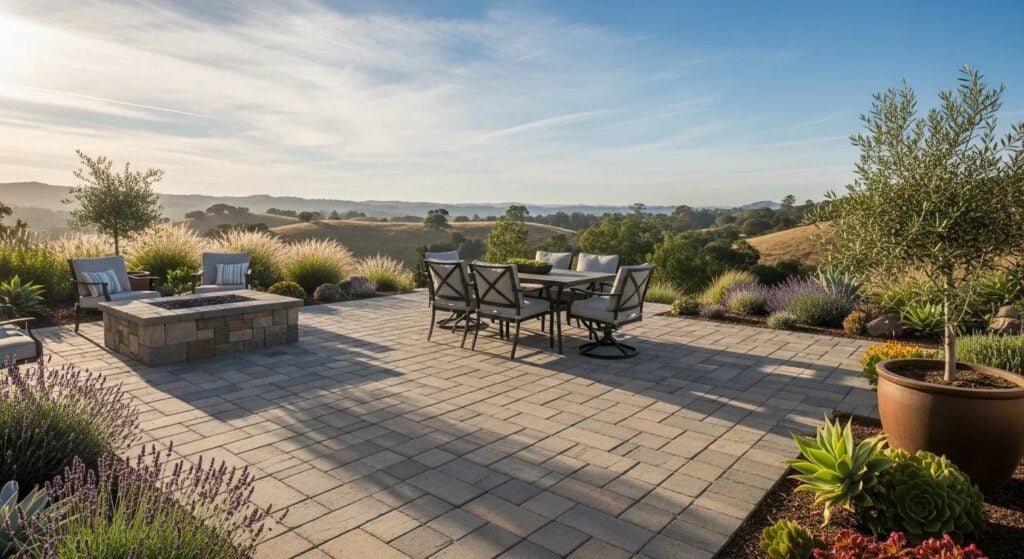
The Bay Area climate strongly influences the choice between pavers and stamped concrete. Homeowners and landscapers require durable, weather‑resistant materials that tolerate temperature swings, moisture variation, and UV exposure. This article explains why pavers frequently outperform stamped concrete by examining durability, weather resistance, maintenance, design flexibility, and environmental benefits. Understanding these factors helps homeowners choose materials that enhance outdoor spaces and deliver reliable long‑term performance. We also review how Bay Area conditions affect hardscaping, the primary weather challenges, and the importance of climate adaptability in material selection. Throughout the article, we include practical considerations — from installation practices to maintenance tips — that help translate performance differences into real project decisions for both residential and commercial sites.
Durability
Pavers demonstrate notable durability in Bay Area conditions. Unlike stamped concrete, which is rigid and prone to cracking, pavers accommodate ground movement without sustaining damage. That flexibility is important where soil shifts occur due to changes in moisture or seismic activity. With proper care, pavers often provide service for decades and resist routine wear, making them a practical long‑term hardscaping solution. In addition to resisting cracking, properly manufactured and installed pavers retain structural integrity under foot and vehicle traffic when selected to match the application. Choosing pavers with suitable thickness and a well‑prepared base helps ensure the installation meets expected load and lifespan requirements.
Research shows concrete’s rigidity increases its susceptibility to cracking under environmental stress, sometimes before traffic loads are applied.
Concrete Pavement Cracking from Environmental Stress in California
Many longer concrete slabs experienced cracking from environmental influences before any traffic loading. Core samples showed cracks initiated at the slab tops and propagated downward. Field and laboratory data on concrete shrinkage and thermal strain were analyzed to identify causes. Finite element modeling using the measured strains and temperatures predicted elevated tensile stresses at slab tops caused by differential drying shrinkage between the slab surface and base, together with non‑linear negative temperature gradients through the slab.
Shrinkage and thermal cracking of fast-setting hydraulic cement concrete pavements in Palmdale,
California, A Heath, 1999
Heavenly Greens provides a selection of durable interlocking pavers suited to Bay Area conditions. Their systems are engineered for stability and resilience to help ensure hardscape remains intact under challenging environmental factors. When evaluating options, consider paver material (concrete, clay, or natural stone), the recommended thickness for the intended use, and the manufacturer’s guidance on load ratings; these factors influence how long a paved surface will perform before repairs are needed.
Weather Resistance
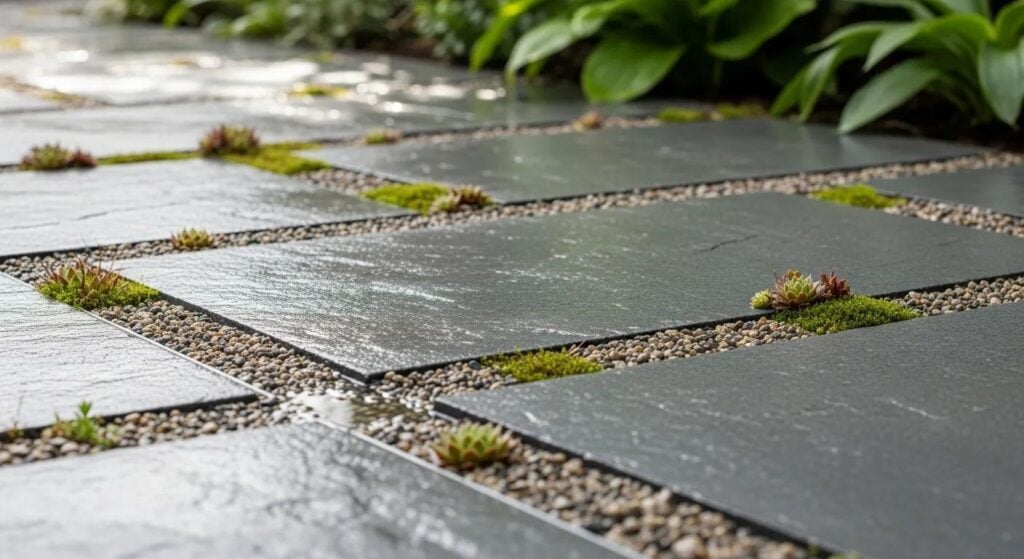
The Bay Area experiences heavy rains and occasional frost. Pavers perform well in these conditions because they tolerate freeze‑thaw cycles better than stamped concrete, which can crack under such stress. Their jointed design also enables effective drainage, reducing pooling, erosion, and related structural problems. By promoting surface infiltration and directing water to appropriate drainage paths, paver systems reduce water pressure on paved surfaces and lower the likelihood of freeze‑thaw damage in localized cold pockets.
Choosing pavers represents an investment in a hardscape that retains structural integrity across variable temperatures and precipitation. Heavenly Greens offers weather‑resistant paver options engineered to perform in these conditions. For locations with heavier vehicle traffic or driveways, specifying thicker pavers and a reinforced base is important to maintain performance under repeated loading.
Maintenance
Pavers typically require less frequent upkeep than stamped concrete. Individual pavers can be replaced when damaged, allowing targeted repairs without large‑scale work. Stamped concrete often needs sealing and can require extensive repairs if cracks develop, which increases time and cost. Routine care for pavers is straightforward and can be performed by homeowners or by service contractors, reducing the long‑term cost of ownership compared with large concrete repairs.
Maintain pavers by cleaning regularly to discourage weed growth and replenishing joint sand to preserve stability. These routine tasks extend service life and keep the hardscape presenting well. In many installations, the use of polymeric joint sand or a proper jointing material reduces weed growth and insect intrusion; periodic joint inspection and top‑up are recommended to keep joints compact and water‑resistant. Occasional power washing and spot treatments for stains preserve appearance, while selective replacement addresses settling or frost heave without replacing the entire surface.
Design Flexibility
Pavers deliver broad design flexibility. Available in multiple colors, shapes, and sizes, they can be arranged in diverse patterns to enhance a property’s appearance. Stamped concrete typically provides fewer design options. The modular nature of pavers makes it simple to combine textures and hues to complement architectural styles and landscape elements.
Mixing and matching paver styles can improve property value, making pavers a practical investment for homeowners seeking to enhance outdoor spaces. Design flexibility also supports functional zoning — for example, using different paver patterns to visually differentiate a patio from a pathway or to integrate seating areas, planters, and drainage channels.
Environmental Benefits
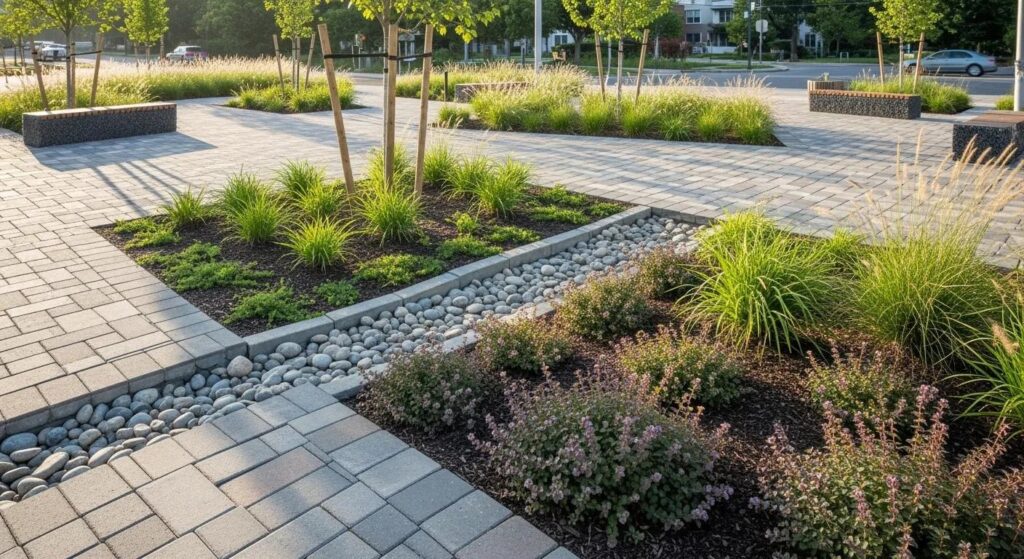
Pavers also provide environmental advantages. Permeable pavers manage stormwater by allowing infiltration, which reduces runoff and promotes groundwater recharge. Many pavers incorporate recycled materials, supporting sustainable landscaping practices. Permeable systems can be designed to meet local stormwater requirements while preserving the aesthetic benefits of a paved surface.
Selecting pavers enhances outdoor spaces while supporting local ecosystems and sustainability goals. This alignment with environmental priorities is particularly relevant in the Bay Area, where such considerations influence landscaping decisions. When paired with bio‑swales, rain gardens, or vegetated buffers, permeable paver installations contribute to a broader site strategy for water management and habitat support.
How Does the Bay Area Climate Affect Hardscaping Materials?
The Bay Area climate presents distinct challenges that influence material performance and longevity. Homeowners should account for these factors when choosing materials for outdoor spaces. Site microclimates — such as coastal fog, sun‑exposed slopes, or shaded north‑facing areas — can also alter material behavior and should be considered when specifying products and installation details.
Temperature Fluctuations
Temperature variation can affect hardscaping performance. Pavers accommodate ground movement through minor shifting and settling; concrete’s rigidity makes it more prone to cracking under similar conditions. That adaptability makes pavers a dependable choice where temperature swings are common. For installations spanning sun and shade, selecting pavers and joint materials with compatible thermal expansion characteristics helps limit differential movement and preserve a uniform appearance.
Moisture Levels
High moisture can cause erosion and related damage if not managed. Pavers promote drainage and reduce the risk of pooling. Stamped concrete can trap water, leading to structural issues over time. Choosing pavers helps mitigate moisture‑related risks and supports longevity. Proper grading and the inclusion of drainage layers or aggregate subbases are important parts of any paver installation to prevent subgrade saturation and subsequent settlement.
UV Exposure
UV exposure influences long‑term appearance. Pavers resist UV degradation better than stamped concrete, which may fade without sealing. This resistance helps pavers retain color and visual appeal over time. In high‑sun areas, selecting pavers with UV‑stable pigments and protective finishes extends visual durability, and complementary planting or shading can reduce surface heating.
Beyond fading, material selection also affects outdoor thermal comfort by altering how solar energy is reflected and absorbed.
Hardscape Material Impact on Outdoor Thermal Comfort
Effective landscape design that optimizes solar irradiation and heat absorption to reduce mean radiant temperature (MRT) is important for improving outdoor thermal comfort, especially as vegetated areas decline. The cited study examines how variations in layout and surface materials influence reflected solar energy and the urban thermal climate, using Cairo as a case study.
… landscape design parameters with high reflective hardscapes: guidelines for optimizing human thermal comfort in outdoor spaces by design-a case on hot arid climate …, RA Abdelwahab, 2025
What Are the Key Weather Challenges in the Bay Area?
- Temperature Fluctuations: Rapid temperature changes can cause materials to expand and contract, potentially leading to damage.
- Rainfall Patterns: Heavy rains can lead to erosion and pooling water, which can damage hardscaping materials if not properly managed.
- Humidity Levels: High humidity can contribute to mold and mildew growth, particularly on surfaces that do not allow for adequate drainage.
Why Is Climate Adaptability Crucial for Landscaping Materials?
Climate adaptability is essential in regions like the Bay Area. Materials that tolerate temperature shifts, manage stormwater effectively, and resist UV damage help preserve the integrity and appearance of outdoor spaces. Selecting adaptable materials reduces the need for frequent repairs and replacements, saving homeowners time and money. Evaluating how a material interacts with local drainage, plantings, and sun exposure ensures the finished landscape performs well across seasons and weather events.
In What Ways Are Pavers More Durable Than Stamped Concrete in the Bay Area?
Pavers provide several durability advantages in Bay Area conditions. They accommodate ground movement without cracking, resist weathering and wear, and allow straightforward repairs since individual units can be replaced without disturbing surrounding areas. Properly chosen and installed pavers also tolerate heavy foot traffic, occasional vehicle access, and incidental impacts that might otherwise damage monolithic concrete surfaces.
How Do Pavers Withstand Weathering and Wear?
Pavers resist weathering through their interlocking design and material selection. The interlock distributes loads evenly, reducing the risk of cracking. Many pavers are manufactured from materials that resist fading and environmental damage, preserving function and appearance. Routine joint maintenance and attention to base drainage are central to ensuring the initial resistance to weathering translates into long‑term performance.
What Longevity Differences Exist Between Pavers and Stamped Concrete?
With proper maintenance, pavers generally outlast stamped concrete. Stamped concrete’s vulnerability to cracking can shorten its service life. Pavers’ durability and repairability make them a more cost‑effective long‑term option. Over time, the ability to replace small paver sections rather than removing and repouring large concrete slabs reduces disruption and often yields lower total lifecycle costs.
What Are the Maintenance Requirements for Pavers Versus Stamped Concrete?
Maintenance differs between the two materials. Pavers require less frequent intervention and allow for individual unit replacement. Stamped concrete may require regular sealing and more extensive repairs when cracks occur. Homeowners should consider these differences when choosing a material. For pavers, a simple annual inspection, seasonal joint topping, and targeted cleaning typically preserve performance and appearance.
How Does Maintenance Frequency Differ Between These Materials?
Pavers typically require periodic replenishment of joint sand and occasional cleaning to prevent weed growth. Stamped concrete generally requires sealing every few years to protect the surface. Understanding these schedules helps inform selection and planning. When service budgets or access for periodic sealing are limited, pavers can offer a lower‑maintenance alternative while still delivering strong visual and functional results.
What Are Practical Paver Maintenance Tips for Bay Area Homeowners?
- Regular Cleaning: Keep pavers free from debris and dirt to prevent weed growth.
- Joint Maintenance: Replenish joint sand as needed to maintain stability.
- Inspection: Regularly inspect for settling or damage to address issues promptly.
Regular cleaning, joint upkeep, and periodic inspections will extend the life of your pavers and maintain the appearance of your outdoor space. In areas with persistent weeds, consider geotextile layers beneath the base or polymeric joint sands to discourage growth and lock joints against erosion. For high‑use driveways, seasonal checks of the edge restraints and base condition help detect and correct minor movement before it becomes a larger repair.
How Do Installation Practices Influence Hardscape Performance in the Bay Area?
Installation practices strongly influence hardscape performance. Proper site preparation, including a well‑compacted base layer, is essential for paver durability and stability. Edge restraints prevent lateral movement and help maintain alignment over time. A correctly graded subgrade and appropriate subbase material control water flow and minimize settlement risks that can appear months or years after installation.
What Are The Best Practices for Durable Paver Installation?
- Site Evaluation: Assess the site for drainage needs and soil conditions.
- Compacted Base Layers: Install a well-compacted base layer to provide stability.
- Joint Filling and Compaction: Properly fill joints and compact the pavers to enhance durability.
Adhering to these best practices significantly improves the longevity and performance of paver installations. Additional considerations include using geotextile fabrics where appropriate, providing sufficient slope (generally a small percentage) for surface drainage, and following manufacturer guidance on paver compaction and joint materials to avoid premature failures.
How Does Professional Installation Impact Weather Resistance?
Professional installation is important for ensuring pavers perform under weather stress. Experienced installers address drainage, base preparation, and placement to prevent pooling and erosion. Investing in professional work reduces long‑term maintenance needs and improves durability. Professionals can also advise on paver selection for specific microclimates, recommend compatible joint materials, and perform quality compaction to lock the system together for years of reliable service.
What Are the Cost Considerations When Choosing Pavers Over Stamped Concrete?
Cost decisions should weigh initial installation costs against long‑term maintenance costs. Pavers may have higher upfront costs but often incur lower lifetime expenses. Homeowners should evaluate both short‑term and long‑term costs to determine expected return on investment. Factoring in repair frequency, potential downtime, and expected lifespan helps compare total ownership costs rather than focusing solely on installation price.
How Do Initial Installation Costs Compare?
Initial costs vary by project. Stamped concrete can be less expensive to install initially, while pavers often provide better long‑term value due to durability and simpler repairs. Consider both immediate and lifetime costs when deciding. For complex site conditions or installations requiring significant base work, pavers can be the more predictable long‑term investment because repairs and adjustments are easier and less invasive.
What Are The Long-Term Cost Benefits of Pavers?
Pavers deliver long‑term cost benefits through reduced maintenance and extended service life. Their repairability—replacing single units rather than large areas—also lowers future repair expenses. Over time, savings on resealing, crack repair, and full‑slab replacement can make pavers a financially sensible choice for homeowners planning to keep a property long term.
How Do Sustainable Landscaping Benefits Factor Into Choosing Pavers?
Sustainability considerations influence material choice. Pavers can include recycled content and are often designed to manage stormwater, aligning with eco‑friendly objectives and reducing environmental impact. Selecting permeable pavers reduces runoff volumes and can contribute to local stormwater compliance goals while supporting healthier site hydrology.
What Eco-Friendly Attributes Do Pavers Offer?
Pavers offer eco‑friendly attributes, such as permeability that reduces runoff, support for local ecosystems, and the use of recycled materials in manufacturing. Choosing pavers advances environmental goals while enhancing the property. In sensitive watersheds or near protected habitats, permeable surfaces and reduced runoff can be an important element of environmentally responsible site design.
How Does Choosing Pavers Support Bay Area Environmental Goals?
Selecting pavers supports Bay Area environmental goals by improving stormwater management and reducing runoff. The incorporation of recycled materials in paver production further aligns with local sustainability initiatives. Many municipalities encourage permeable paving solutions to reduce the burden on combined sewer systems and to promote groundwater recharge where appropriate.
What Do Case Studies Reveal About Paver Performance in Bay Area Conditions?
Case studies of Bay Area installations report strong durability and performance under local conditions. Homeowners commonly cite satisfaction with longevity and appearance and note lower maintenance than stamped concrete. These real‑world examples illustrate the practical benefits of pavers. Project summaries often highlight careful site preparation, correct base thickness, and attention to drainage as the key factors that delivered long‑term, trouble‑free performance.
How Can Homeowners and Commercial Clients Contact Heavenly Greens for Expert Support?
Homeowners and commercial clients may contact Heavenly Greens for hardscape support. For inquiries, you can call (669) 304-2931 or email info@heavenlygreens.com. The team is available to advise on paver options and installation services. Customer consultations often include a site evaluation, material recommendations, and an overview of maintenance expectations, enabling clients to make informed decisions based on their property and use case.
What Services Does Heavenly Greens Provide for Hardscape Installation?
- Paver Installation: Expert installation of interlocking and permeable pavers for various applications.
- Integrated Design Services: Customized design solutions to enhance outdoor spaces.
- Site Evaluations: Assessments to determine drainage needs and optimal installation practices.
How to Reach Heavenly Greens for Consultation and Product Information?
To reach Heavenly Greens for consultation and product information, call (669) 304-2931 or email info@heavenlygreens.com. Their knowledgeable team can guide you in selecting the appropriate paver solutions for your project. During consultations, they can outline product choices for patios, driveways, walkways, and commercial plazas, and provide guidance on warranties and expected maintenance.
To explore the available options, visit the Heavenly Greens products page.
Frequently Asked Questions
What are the main differences in installation techniques between pavers and stamped concrete?
Installation methods differ substantially. Pavers require a well‑compacted base and correct joint filling to ensure stability and drainage. Stamped concrete involves pouring a concrete mix and applying a stamp to form patterns. Paver installations allow easier adjustments and localized repairs, while cracked stamped concrete is more difficult to fix. Proper installation is essential to maximize the lifespan and performance of either material. In practice, this means paying attention to subgrade preparation, base depth and compaction, edge restraint design, and joint material selection — all of which determine how well the finished surface performs over time.
How do pavers contribute to stormwater management?
Permeable pavers enable water infiltration, reducing surface pooling and erosion and promoting groundwater recharge. By selecting permeable pavers, homeowners can manage excess rainwater, lower flood risk, and support local ecosystems—aligning with sustainable landscaping practices. Permeable systems are particularly valuable on sites where reducing runoff is a priority, and they can often be integrated with rain gardens or infiltration trenches to manage larger storm events.
What are the aesthetic advantages of using pavers over stamped concrete?
Pavers offer aesthetic advantages with a wide range of colors, shapes, and sizes, enabling bespoke patterns and personalized outdoor spaces. Stamped concrete generally provides fewer design options. The ability to combine different paver styles can enhance curb appeal and property value. Additionally, pavers age gracefully — individual units may retain their texture and color while allowing selective repair that preserves the original design intent.
How do pavers perform in terms of UV resistance compared to stamped concrete?
Pavers typically demonstrate superior UV resistance. Stamped concrete may fade without regular sealing, whereas pavers retain their color due to their durable materials and manufacturing methods. This UV stability helps preserve the long‑term appearance of outdoor hardscapes in sunny climates. When selecting pavers for high‑exposure areas, consider pigments and finishes specified for outdoor durability, and ask manufacturers about UV stability.
What are the long-term environmental impacts of choosing pavers?
Long‑term environmental benefits of pavers include the use of recycled materials and designs that reduce runoff and promote groundwater recharge. Permeability can also mitigate urban heat by allowing infiltration and lowering surface temperatures. Selecting pavers supports eco‑friendly initiatives while enhancing outdoor spaces. Thoughtful design that combines permeable paving with vegetation and shade elements can further reduce urban heat effects and improve site biodiversity.
What factors should homeowners consider when selecting pavers for their project?
Homeowners should evaluate material durability, design options, and environmental impact. Choose pavers rated for local conditions such as temperature variation and moisture. Also consider aesthetics, integration with existing landscaping, maintenance needs, and sustainability attributes to ensure a prudent investment. It is also useful to discuss installation details with a qualified contractor to confirm base specifications, edge restraint options, and joint materials that match the intended use and expected loads.
Conclusion
Choosing pavers over stamped concrete offers clear advantages in Bay Area conditions: greater durability, greater weather resistance, and reduced maintenance. These benefits extend the life of hardscape and support sustainable landscaping objectives. Investing in high‑quality pavers enables homeowners to create attractive, functional outdoor spaces designed to endure. Discover the range of paver options available from Heavenly Greens to enhance your landscape. Thoughtful material selection, proper installation, and routine maintenance together deliver the best long‑term outcomes for Bay Area properties.


